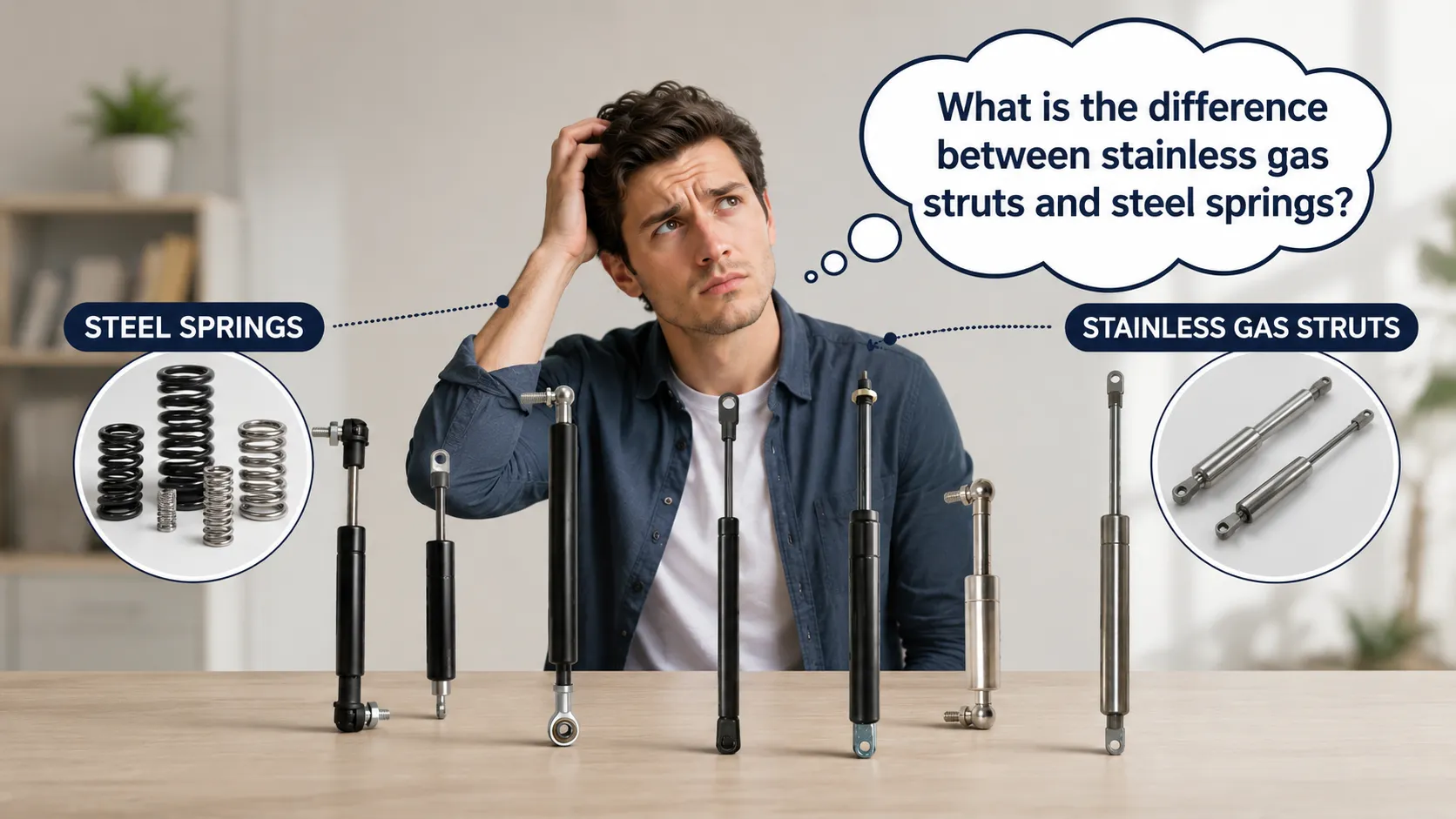

In mechanical design, controlling motion, supporting loads, and absorbing shocks are fundamental challenges. Engineers frequently evaluate two standard solutions: stainless steel struts (gas springs) and mechanical steel springs (typically wire coil springs). While both serve the primary purpose of storing and releasing energy, they operate on completely distinct physical principles, resulting in contrasting performance profiles.

This technical guide breaks down the core structural, kinetic, and environmental differences to assist in proper component selection.

1. Operating Principle & Physics

The most profound divergence lies in how these two components store potential energy.

Mechanical Steel Springs

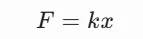
Mechanical coil springs rely entirely on solid-state material deformation. When an external force compresses the spring, the metallic wire undergoes torsional strain, storing elastic potential energy. This relationship is strictly governed by Hooke’s Law:

Where F$ is the exerted force, k is the constant spring rate (progressive factor), and x is the displacement distance. As the spring compresses, the force requirement increases proportionally.

Stainless Gas Struts

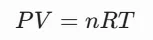
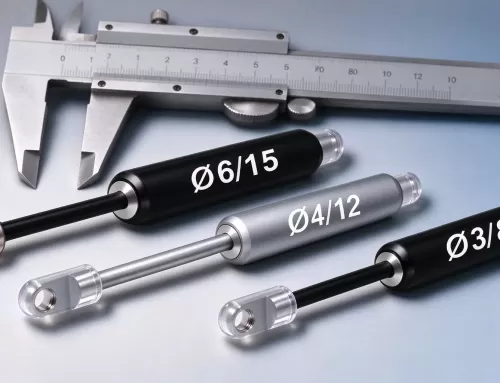
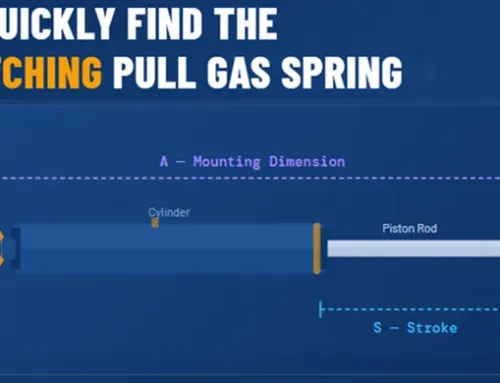
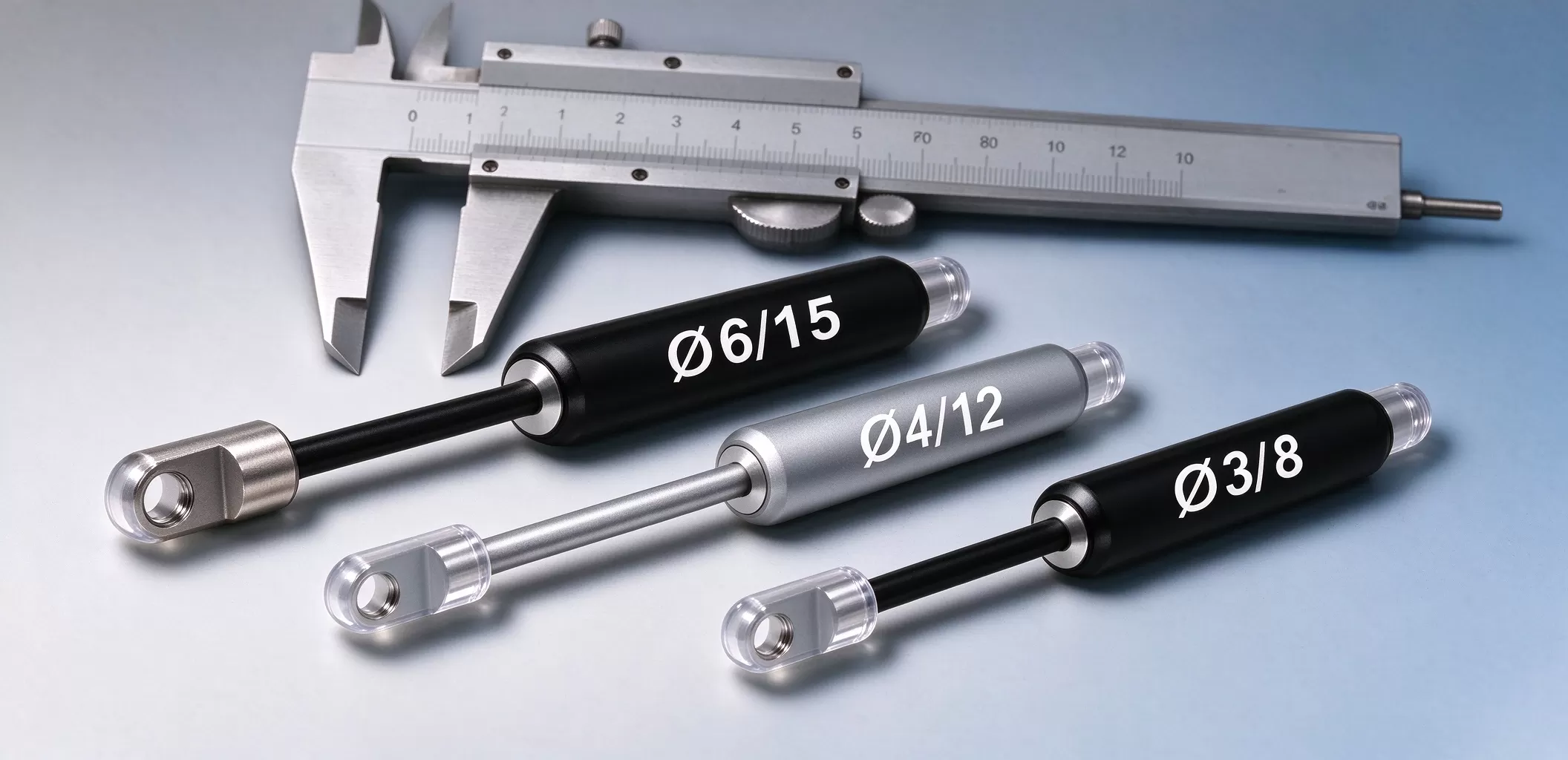
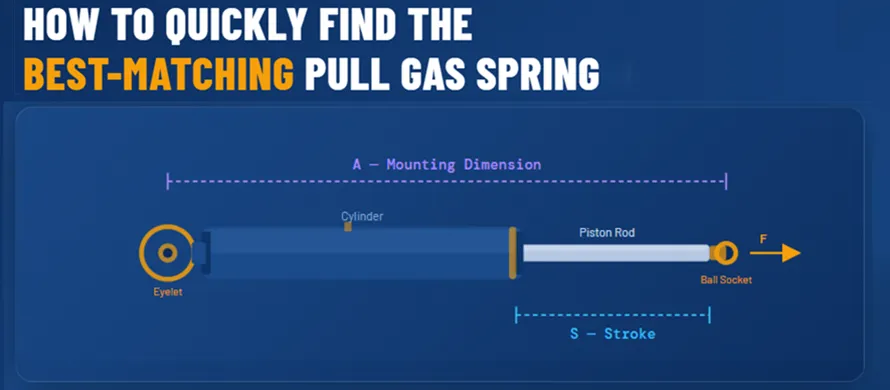
A stainless gas strut is a sealed pneumatic system consisting of a cylinder, a piston rod, and an internal valve assembly. The cylinder is factory-charged with high-pressure, inert Nitrogen gas (N2). Energy storage is governed by the Ideal Gas Law:

When the rod is pushed into the cylinder, it displaces the internal volume (V), causing the internal pressure (P) to rise. Because the cross-sectional area of the rod is relatively small compared to the total volume of the chamber, the force increases only slightly throughout the stroke, yielding a nearly flat force profile.

2. Force-Displacement Profiling

The difference in their underlying physics dictates how they deliver force across their range of movement.

  • Mechanical Coil Springs (Linear Progression): The force is highly dependent on displacement. If a coil spring requires 100 N of force at 10mm of compression, it will require roughly 200 N at 20mm. This makes it difficult to achieve smooth, continuous support over long distances.
  • Gas Struts (Constant Force Output): Gas struts provide a near-constant force regardless of the extension level. The K-factor (force increase from fully extended to fully compressed) is typically minimal—often between 10% and 40%. This characteristic is ideal for ergonomic lifting applications, such as heavy lids, hatches, or access panels, where predictable support is required throughout the entire arc of motion.

3. Kinematic Control and Damping

Uncontrolled kinetic energy can lead to structural damage, noise, and safety hazards.

  • Mechanical springs possess no inherent damping capabilities. When compressed and released, they discharge their stored energy instantaneously, often resulting in rapid rebound, overshoot, and residual oscillations. External shock absorbers or friction dampers must be added if speed control is necessary.
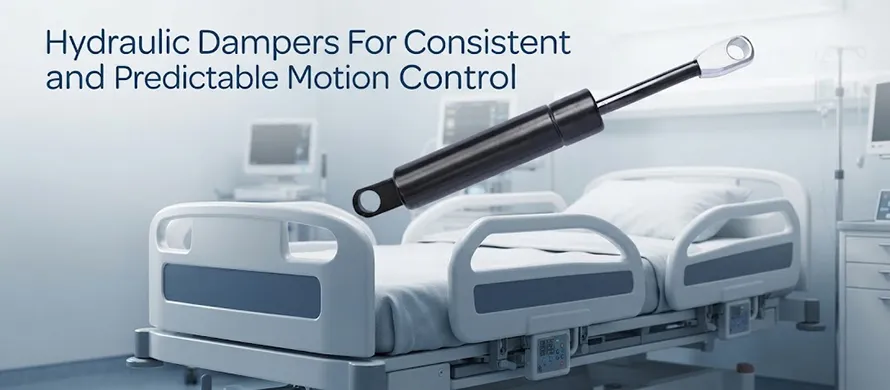
  • Stainless gas struts feature integrated hydraulic damping. The internal cylinder contains a small quantity of hydraulic oil alongside the nitrogen gas. As the piston approaches the end of its extension stroke, the oil is forced through specialized orifices in the piston head. This restricts fluid flow, slowing down the movement naturally. This built-in “end-damping” ensures smooth deceleration and prevents structural jarring during operation.

For a broader engineering perspective on troubleshooting spring bounce and oscillation in practical applications, you can read more discussions on modern kinetic dampening solutions.

4. Environmental Resistance & Material Engineering

Operating environments heavily influence component longevity and reliability.

Standard mechanical springs are typically fabricated from carbon steel, requiring zinc plating, powder coating, or e-coating to resist oxidation. However, continuous cycling causes these surface coatings to crack or wear away, exposing the base metal to stress corrosion cracking.

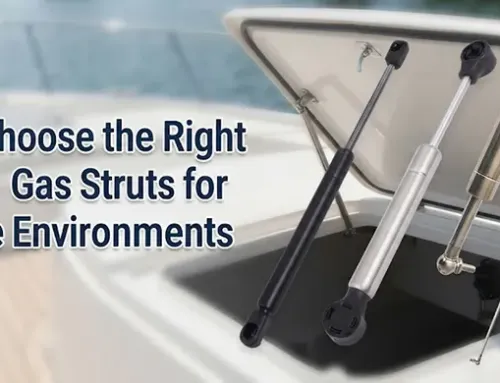
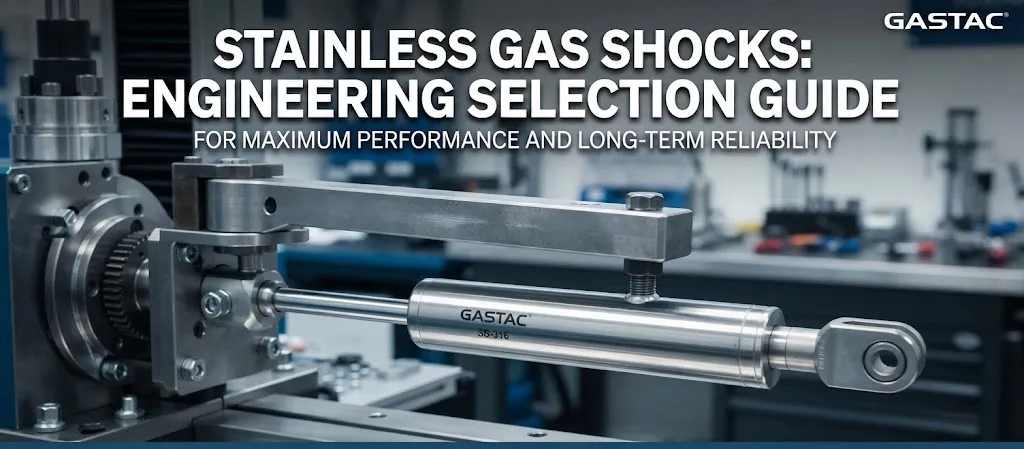
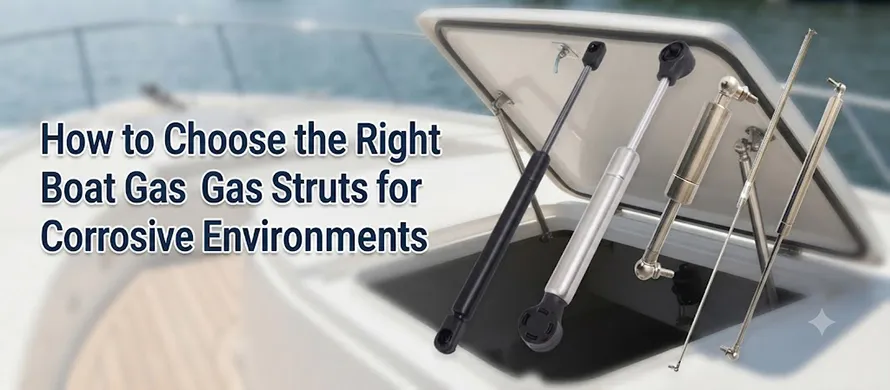
In contrast, stainless gas struts (typically engineered from Grade 304 or Grade 316L) offer superior corrosion resistance throughout their entire structure. This makes them highly suitable for harsh environments such as marine applications with saltwater exposure, or medical washdown protocols.

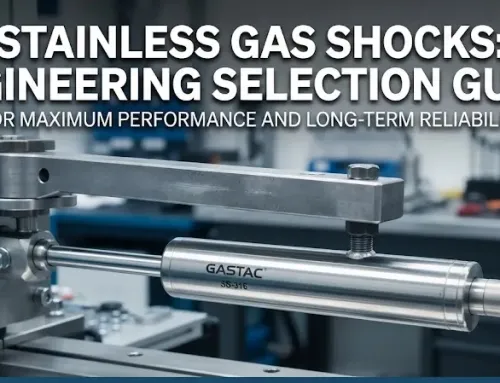
When specifying these components for critical systems, understanding the specific factors to consider when selecting stainless steel gas shocks—including mounting orientations and ambient temperatures—is essential for maximizing service life.

5. Technical Comparison Matrix

Engineering AttributeStainless Steel Gas StrutMechanical Steel Spring
Primary Energy MediumCompressed Nitrogen Gas (N₂)Solid Metal (Wire Torsion)
Force ProfileFlat / Near-Constant OutputProgressive (Increases with travel)
Inherent DampingYes (Integrated Hydraulic End-Damping)No (Requires secondary dampening)
Corrosion PerformanceExcellent (Using 304/316L Stainless Alloys)Moderate to Poor (Requires surface coatings)
Fatigue MechanismSeal wear and pressure migrationMetal fatigue and structural settling
AdjustabilityVariable (Can be custom gassed or degassed)Fixed (Determined solely by wire geometry)

6. Application Selection Framework

Specify a Mechanical Steel Spring when:

  • The application demands extremely high-frequency cycles (thousands of cycles per minute).
  • Operating temperatures exceed 200°C or fall below -40°C, where elastomer seals fail.
  • The total stroke length is minimal, and a progressive force spike is acceptable or required.

Specify a Stainless Steel Gas Strut when:

  • Controlled, smooth, or slower movement is required to protect users or machinery.
  • Constant weight counterbalancing is essential across a long linear travel path.
  • The component operates in high-moisture, marine, sterile, or chemical environments.

System Integration Summary

Choosing between a stainless steel gas strut and a mechanical spring is not a matter of finding the “better” component, but rather aligning the component with the mechanical demands of the system. For raw high-frequency force cycling in protected spaces, the mechanical spring remains unassailable. However, when the design calls for controlled kinematics, constant force output, clean ergonomics, and robust corrosion defense, the stainless steel gas strut represents the superior engineering choice.

张航

Stay in the loop

Subscribe to our free newsletter.

Leave A Comment