Easier, Safer Hood And Tailgate Lift
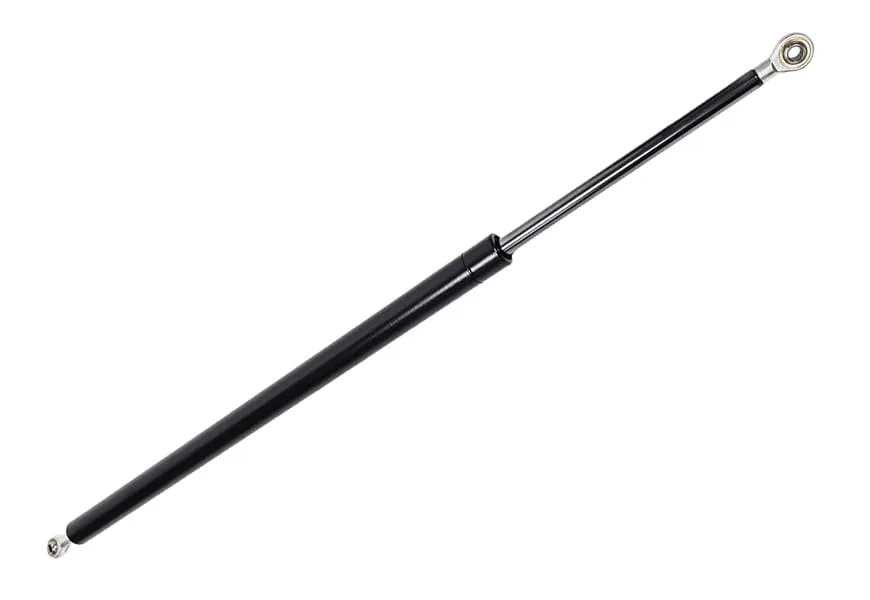
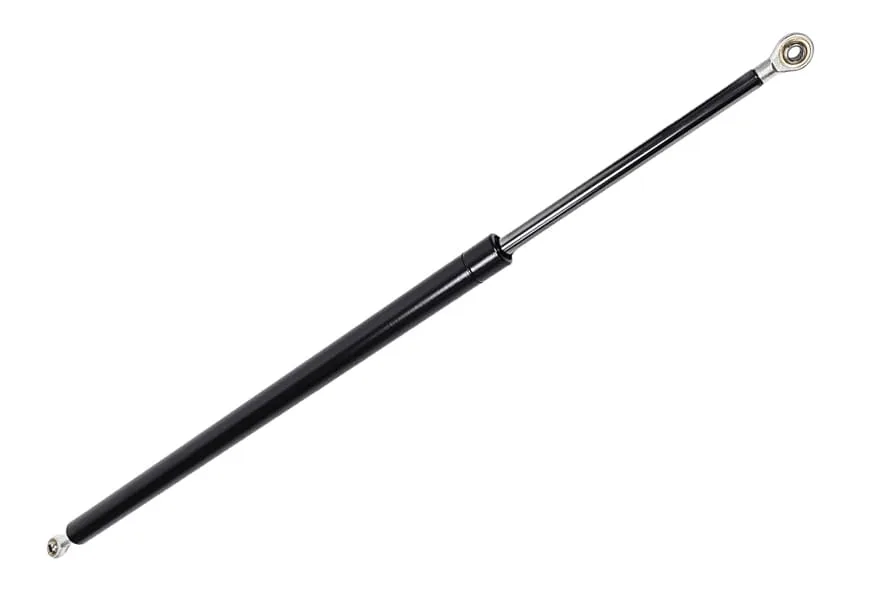
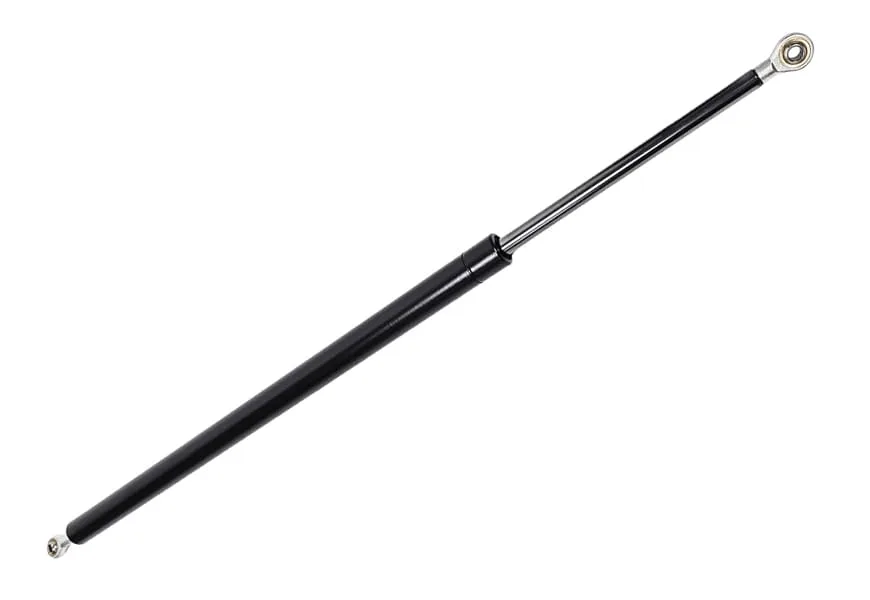
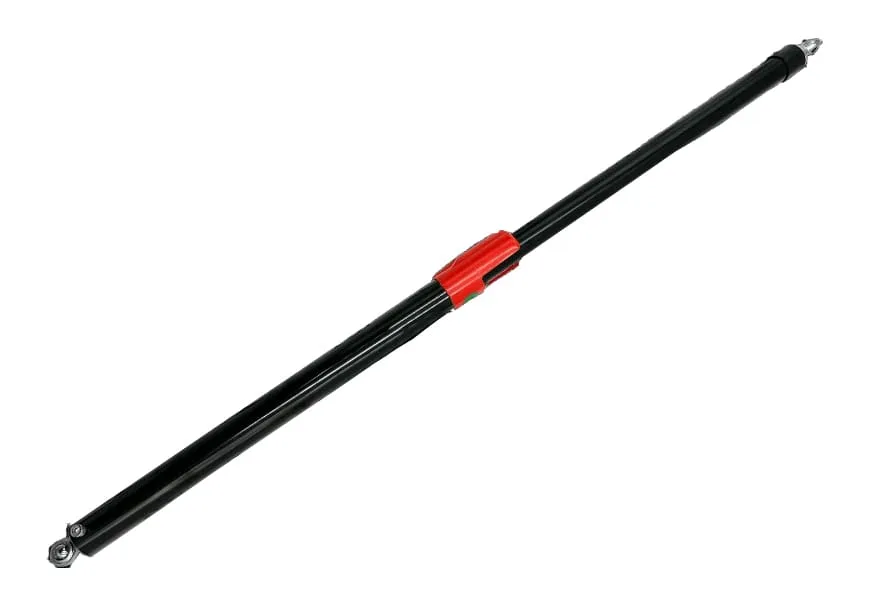
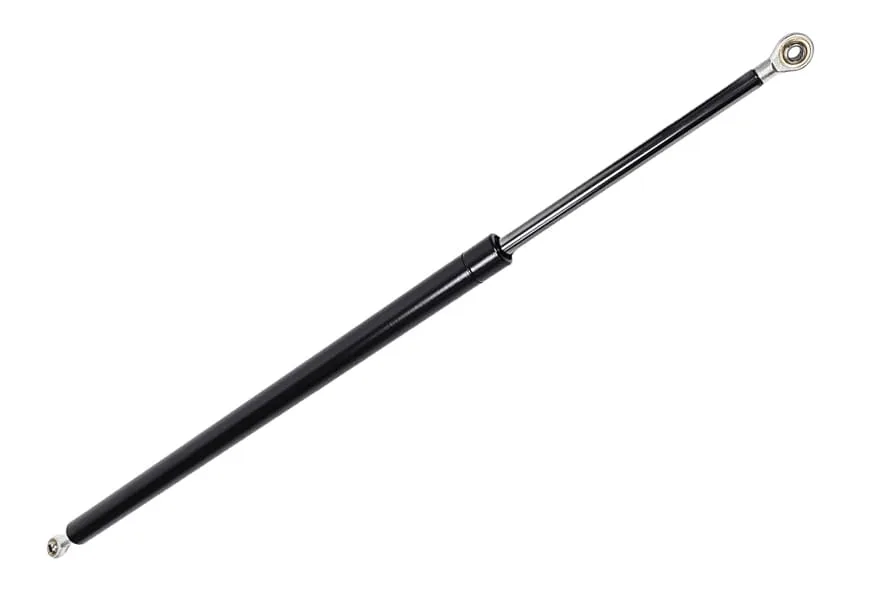
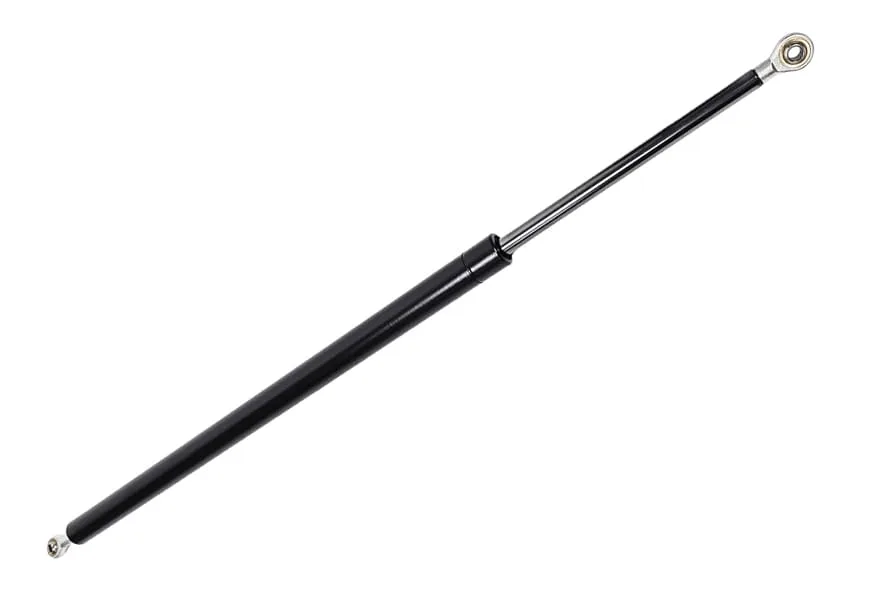
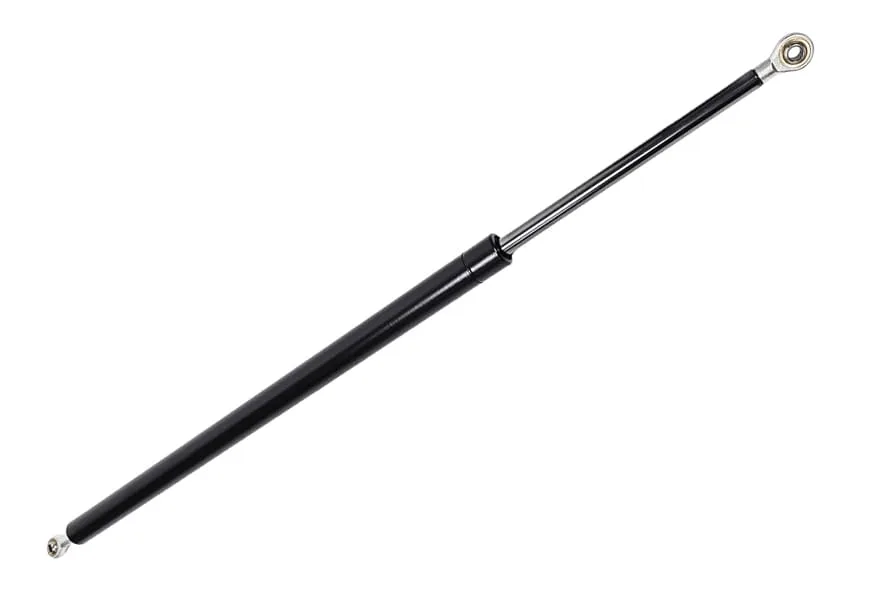
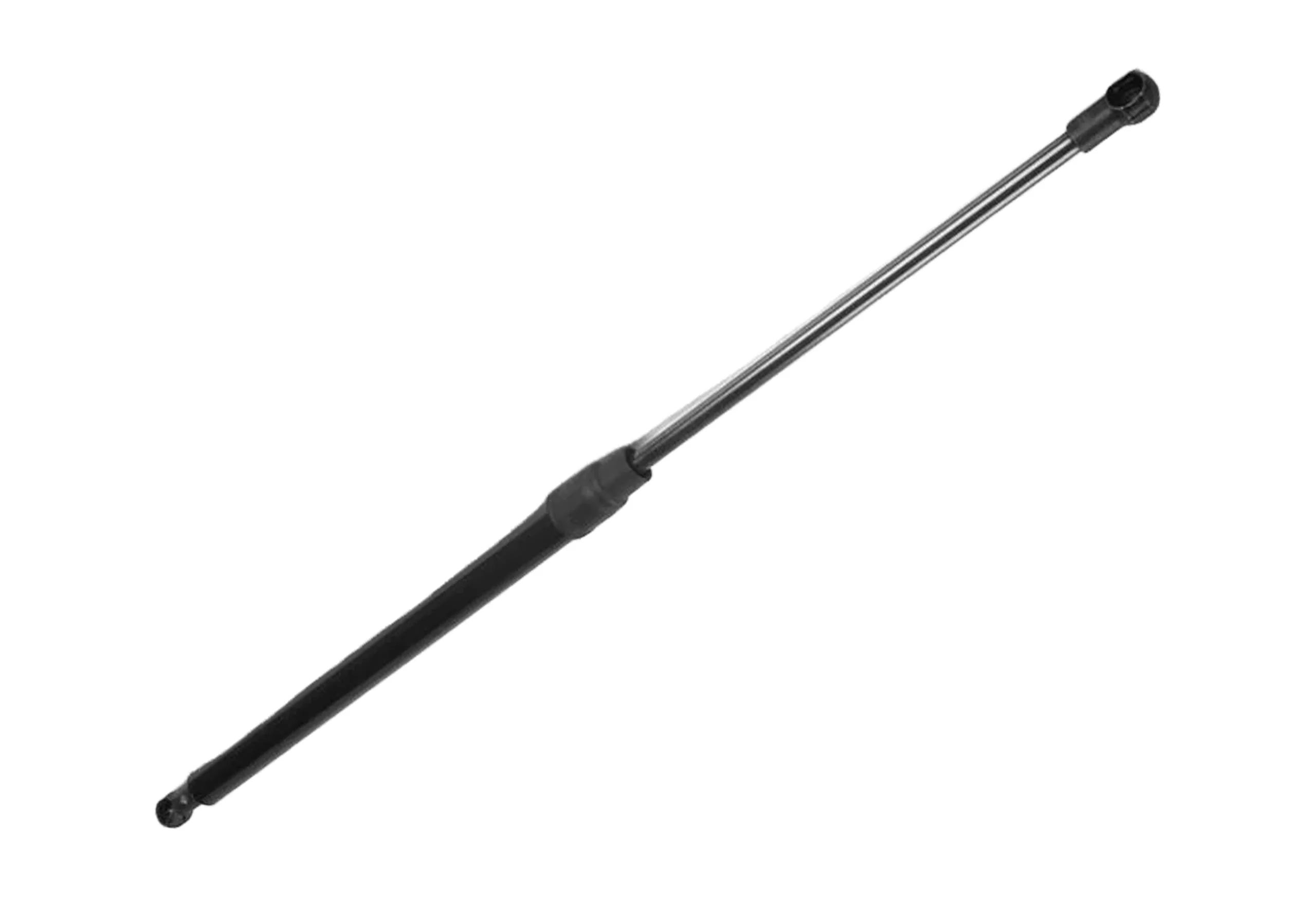
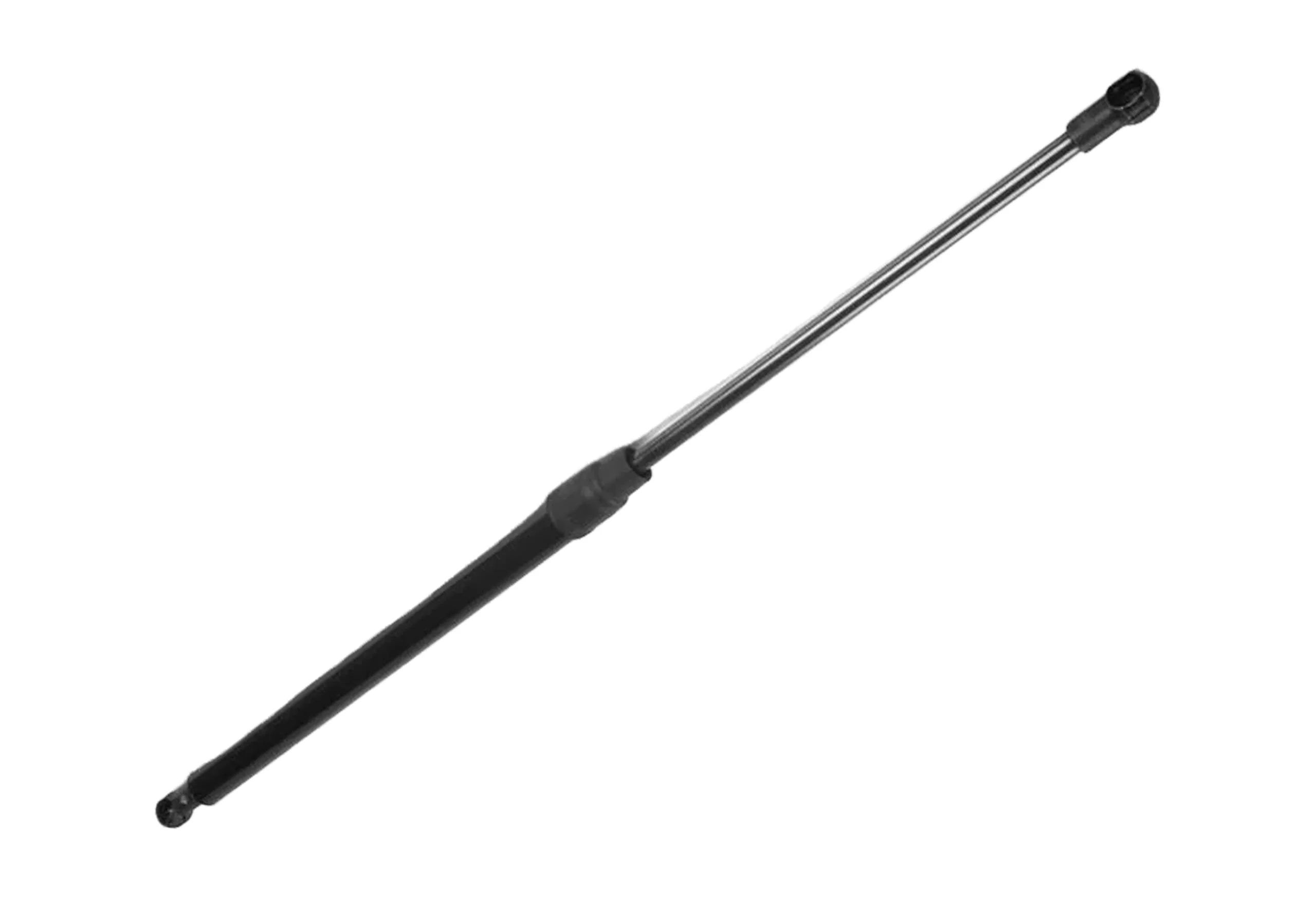
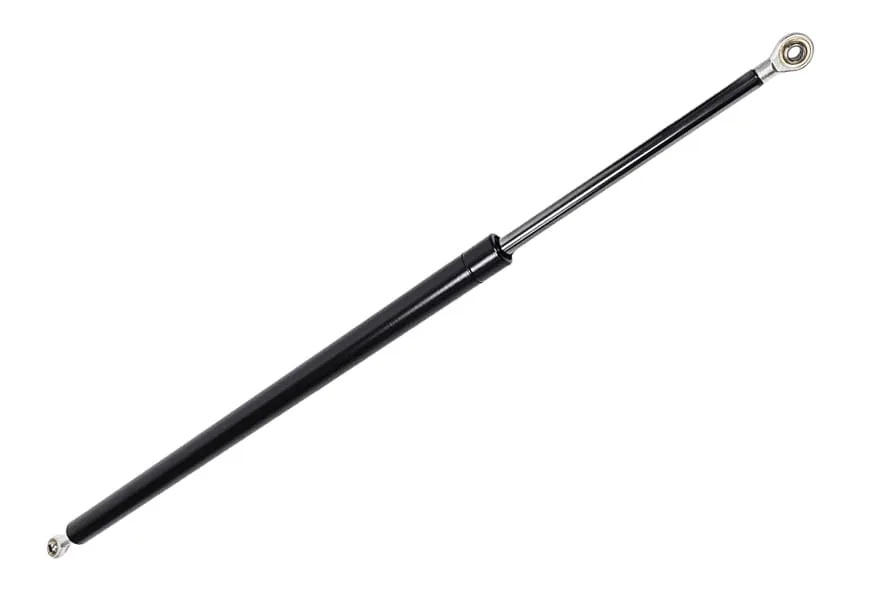
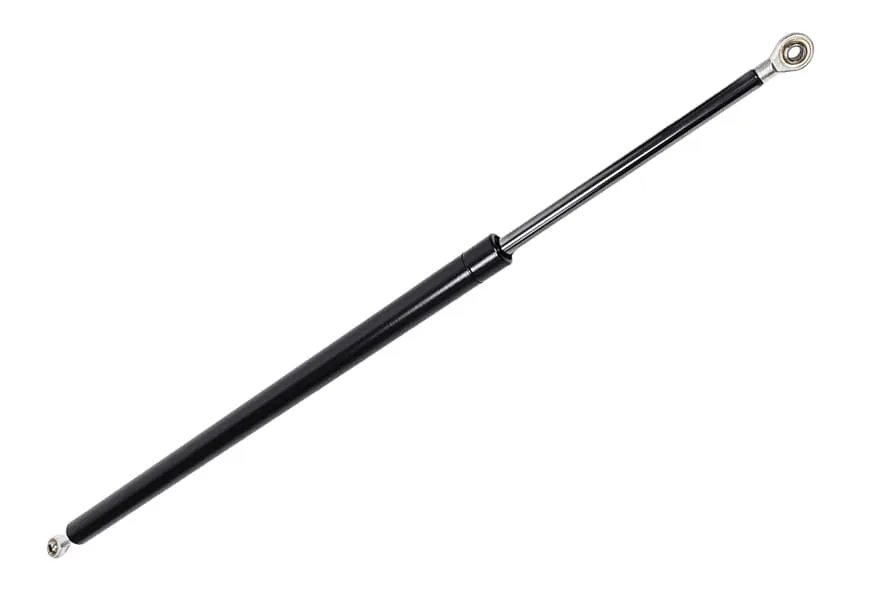
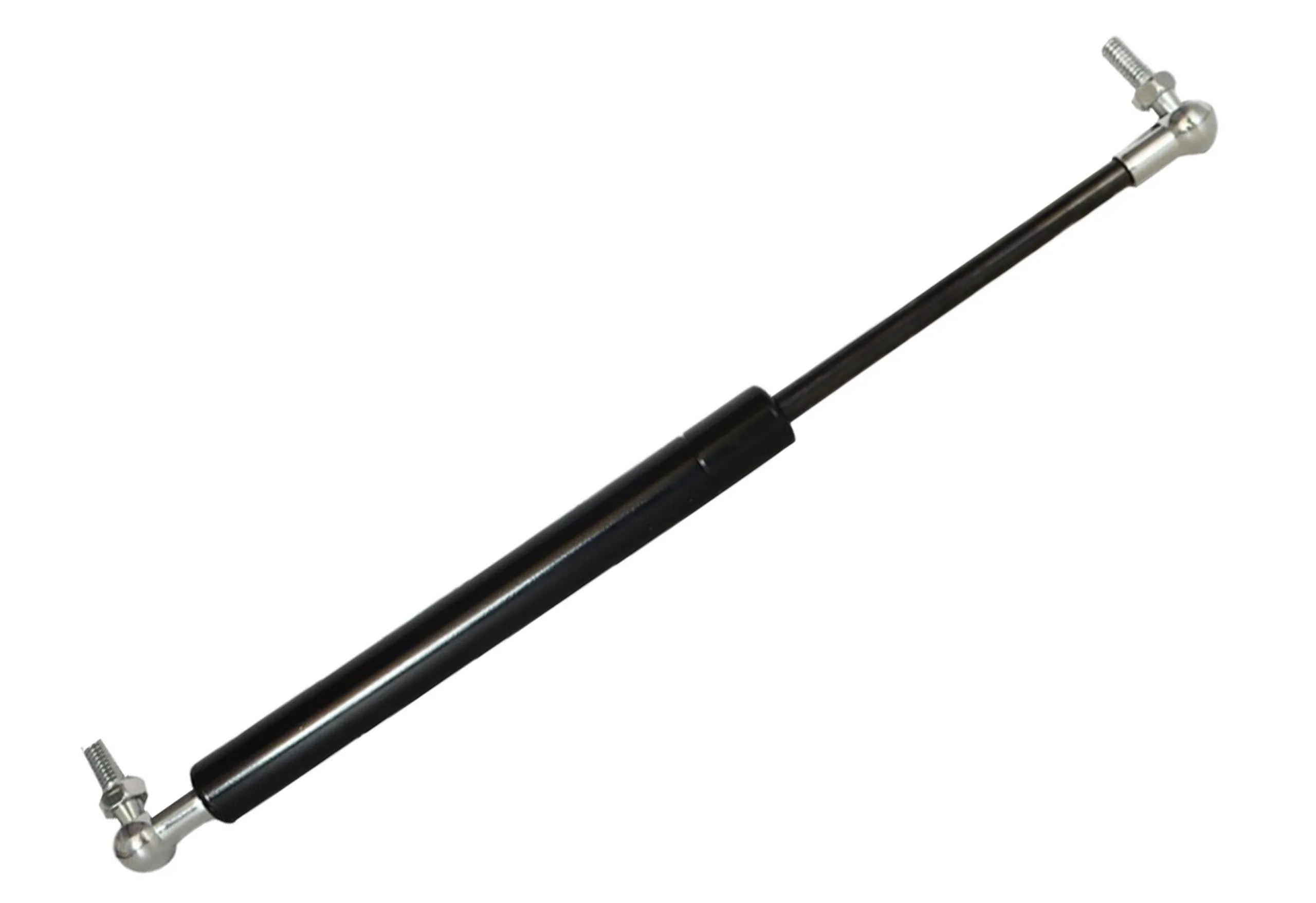
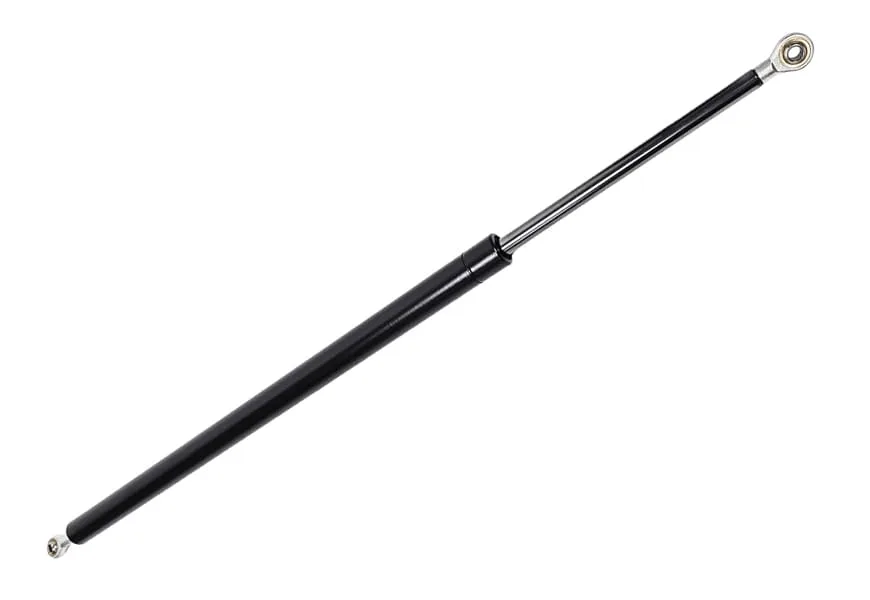
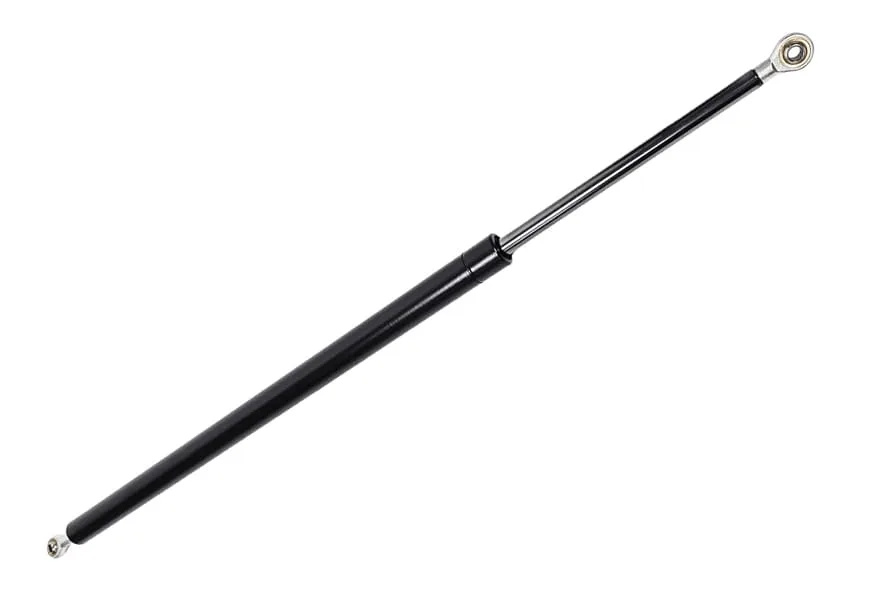
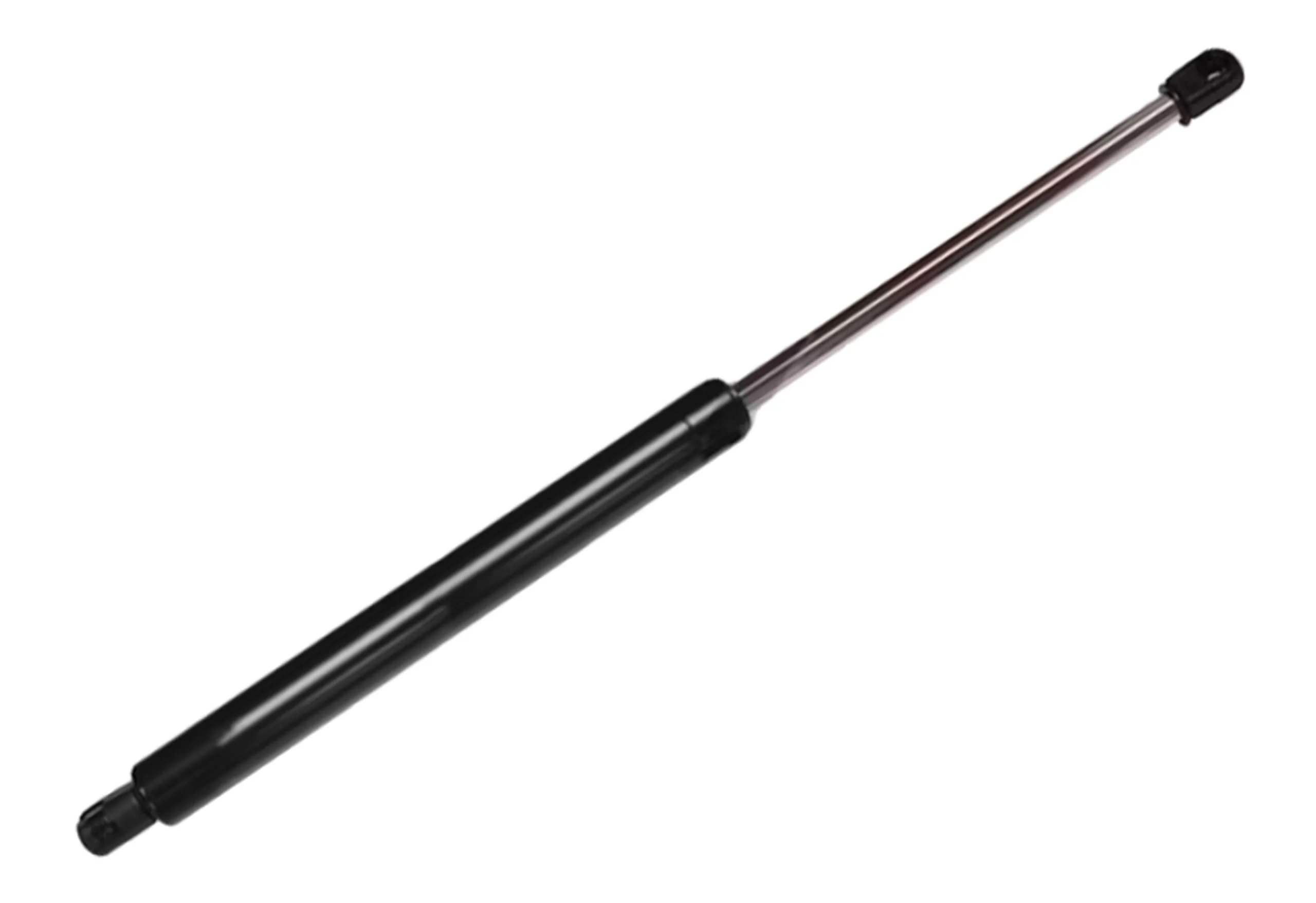
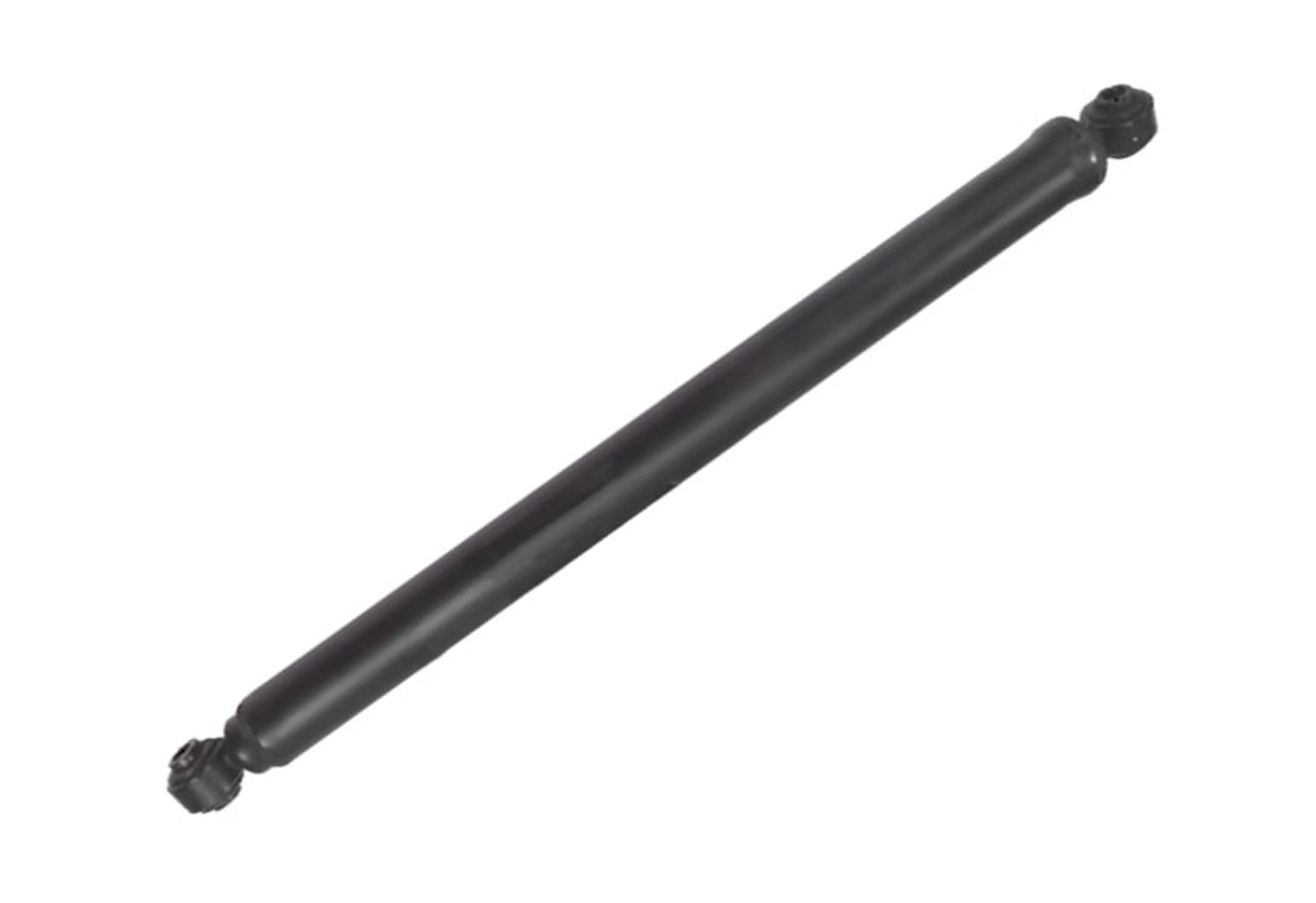
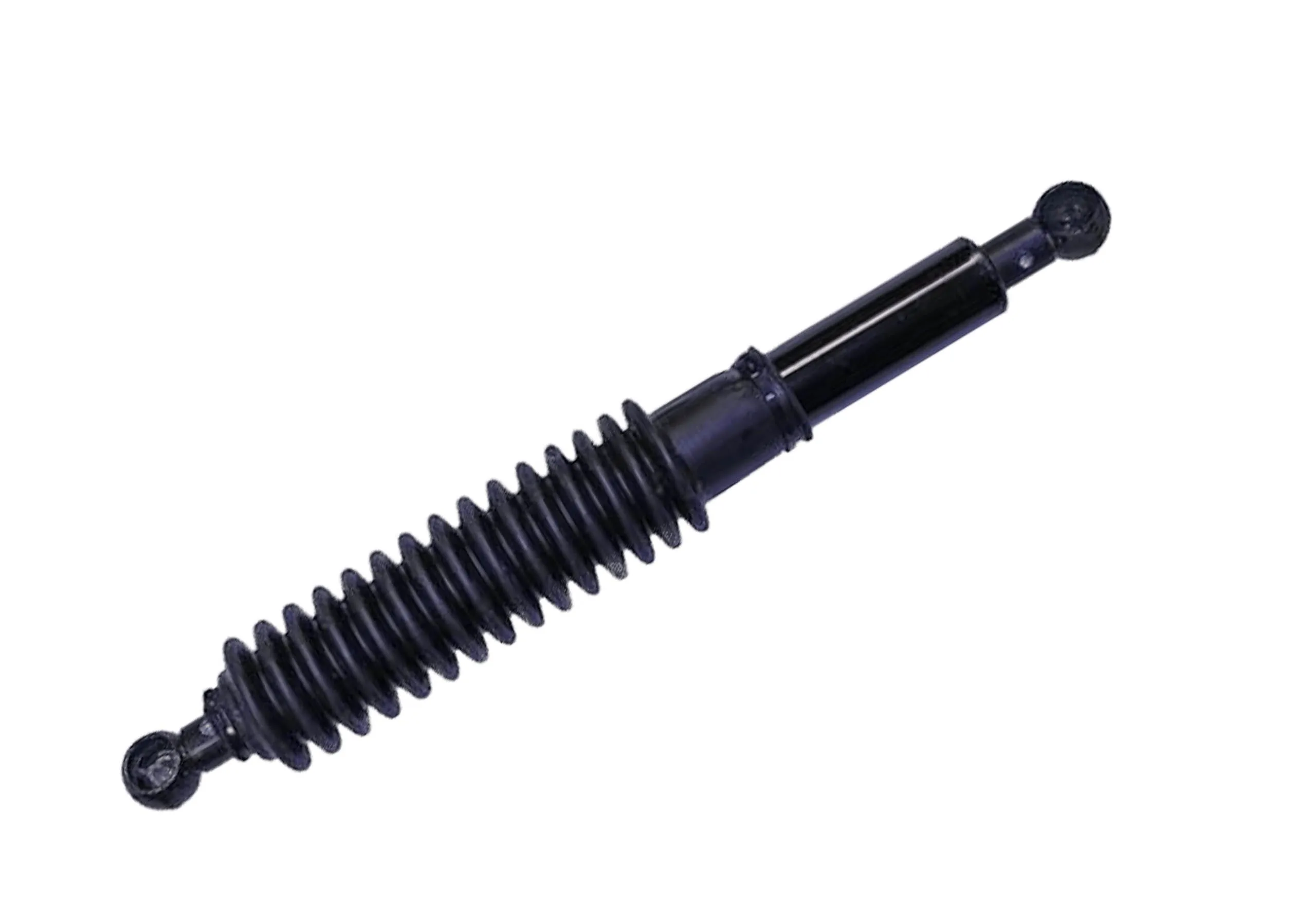
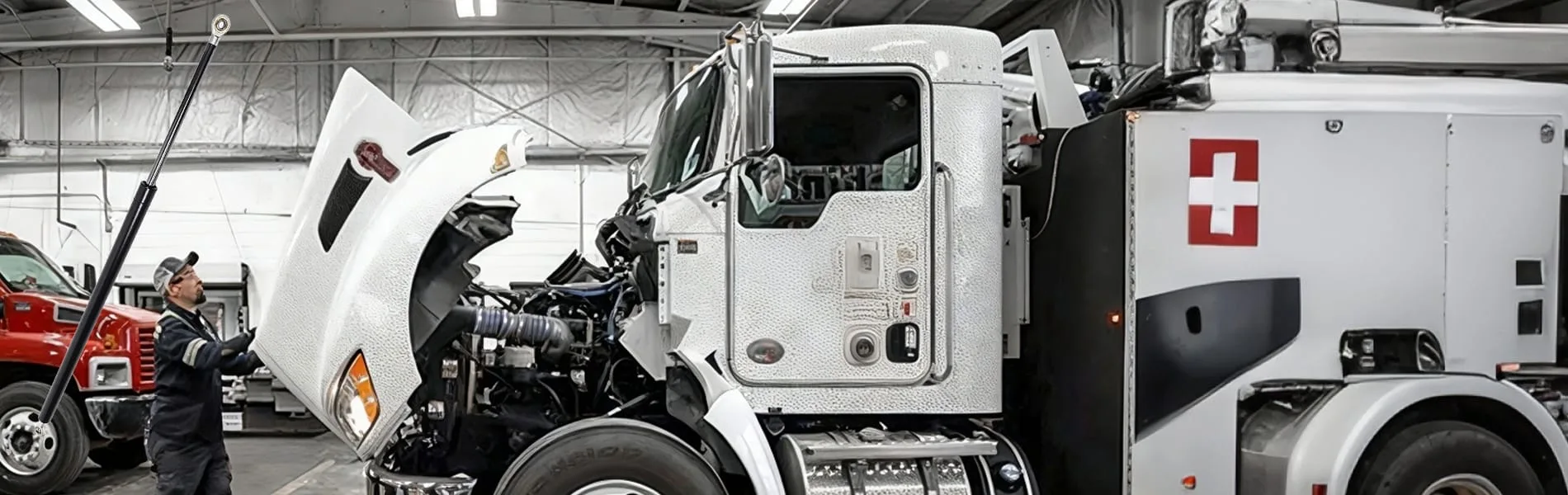
High-strength gas struts provide powerful lift support, allowing heavy truck hoods, tailgates, and cargo doors to open smoothly and stay securely in place, minimizing accidental drops, injuries, or damage.
Durable & Versatile Design
Featuring standard ball or metal hinge connectors, heavy-duty struts can be quickly replaced without special tools. Their simple design requires minimal maintenance, reducing overall operating costs.
Durable and Reliable in Harsh Conditions
With thick steel cylinders, corrosion-resistant coatings, and high-quality seals, these struts perform reliably in extreme temperatures, dust, rain, and snow, offering a longer lifespan than standard struts.
GASTAC heavy-duty truck hood struts are direct-fit replacements for OEM hood lift assemblies across major commercial truck brands. Each hood strut is matched to the specific hood weight and hinge geometry of the target model, so the hood opens to full height and holds securely without drifting.
Leading Gas Spring Manufacturer
One of China's leading gas spring manufacturers, building truck hood struts to the same specifications as major brands.
Cost-effective Solution
Priced at roughly one-third of branded OEM parts — without compromising quality or fitment.
Heavy-Duty Truck Hood Shocks
Advanced Design & Technical Features
Heavy Duty Truck Hood Shocks Benefits
When Should You Replace Your Hood Struts?
Heavy-duty hood struts wear out gradually. Most T660 owners don't notice the decline until the hood becomes hard to lift or fails to stay open. Use this checklist to diagnose failing struts before they become a safety hazard.
Weak or Uneven Support
- The hood feels noticeably heavier than before when lifting.
- The hood drops slowly or suddenly instead of holding position.
- One side feels weaker than the other (uneven lift).
Physical Damage & Leaks
- Oil residue or grease around the cylinder body or piston rod.
- Rust, pitting, or corrosion on the piston rod surface.
- Dents, cracks, or bent cylinder tubes.
- Damaged or loose ball sockets / end fittings.
Abnormal Operation
- Jerky, sticking, or noisy movement during open / close.
- Hood does not open to its full designed height.
- Excessive side-to-side play at the mounting points.
Age & Mileage
- Struts have been in service for more than 5–7 years.
- High-mileage fleet trucks with frequent hood cycling.
- Previous replacement used low-quality aftermarket parts.
✅ Rule of thumb: If you notice any two of the symptoms above, replace both hood struts as a pair. A failed strut can let a heavy T660 hood fall without warning — a serious injury risk during engine bay inspections.
Installation & Compatibility

How to Install Kenworth T660 Hood Struts Safely
SAFETY WARNING — READ FIRST
Never work under or around an unsupported hood. A Kenworth T660 hood is heavy and can cause severe injury or death if it falls.
- Always use a hood prop rod, safety hood strut, or a second person to hold the hood open before removing any hood strut.
- Do not rely on the old gas hood strut to hold the hood while you work.
- Wear safety glasses and gloves during removal and installation.
Prepare the Vehicle
- Park on a level surface, engage parking brake, turn off engine.
- Let the engine bay cool down before working.
- Open the hood and secure it with a prop rod or assistant.
- Take photos of the old hood strut orientation before removal.
Remove the Old Hood Strut
- Support the hood with one hand or a prop.
- Use a small flat-head screwdriver to lift the retaining clip on the ball socket.
- Pull the socket off the ball stud — do not pry or twist forcefully.
- Repeat for the upper and lower mounting points.
Install the New Hood Strut
- Compare the new hood strut to the old one — length, stroke, and end fittings must match.
- Press the socket onto the ball stud until you hear an audible "click".
- Verify the retaining clip is fully seated.
- Install the upper mount first, then the lower, or as per OEM procedure.
Test & Verify
- Slowly lower the hood and let the new hood struts take the load.
- Open and close the hood 2–3 times to check for smooth operation.
- Confirm the hood holds at full open height without drifting down.
- Check for any binding, noise, or interference with other components.
💡 Always replace hood struts in pairs. Replacing only one side creates uneven load, causing the new hood strut to wear faster and the hood to sit crooked. GASTAC recommends replacing both left and right hood struts at the same time, and inspecting the hood hinges and ball studs for wear while you're there.
GASTAC Truck Hood Shocks vs. Traditional
| Feature | Traditional Gas Struts | GASTAC Truck Struts |
|---|---|---|
| Operation | Manual, one or two hands | Smooth, controlled, single-hand |
| Safety | Risk of slamming | Safe, stable, reduces injury risk |
| Durability | Hinges wear quickly | Long-lasting, corrosion-resistant |
| Convenience | Time-consuming | Quick and effortless |
| Professional Appearance | Basic | Premium, reliable look |
Applicable Vehicle Models
Safety & Compliance
GASTAC hood struts are engineered to meet or exceed OEM performance and safety standards for heavy-duty truck applications.
Manufactured to the same force, stroke, and mounting dimensions as OEM part numbers such as A1716391002.
Coating verified under 144-hour salt spray testing (ASTM B117), stable from −40°C to +80°C at 95% relative humidity.
Cycle-tested for 50,000 open/close operations to confirm consistent force output and leak-free sealing.
Cylinder bodies made from high-quality seamless steel tubing with no welding, for higher burst strength and no weld-line fatigue.
Every unit is checked for force, stroke, and seal integrity before shipment — no batch sampling, 100% inspection.
⚠️ Recall Notice for Kenworth T660 Owners
Certain Kenworth T660 model years were subject to OEM safety recalls related to hood strut and hood lock function, which could allow the hood to close unexpectedly. If your truck falls under an OEM safety recall, contact your authorized Kenworth dealer first — recall repairs are performed free of charge before considering aftermarket replacement.
⚠️ Note: Always follow the vehicle manufacturer's service procedure. Improper installation can result in hood failure and serious injury. If you are unsure, have a qualified technician perform the replacement.
Frequently Asked Questions