Published On: 02/08/20266.1 min readCategories: NewsBy 吴, 文禄
How Do Locking Gas Struts Work?
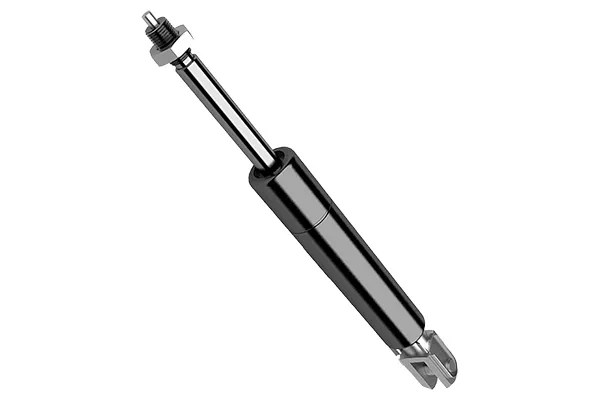
How do gas springs work when controlled positioning is required? Locking gas struts combine the lifting support of a standard gas spring with an internal valve-controlled locking mechanism. Pressing the release pin or control button opens the valve so the piston rod can move. Releasing the control closes the valve and holds the locking gas strut at the selected position.
How Does the Internal Locking Mechanism Work?
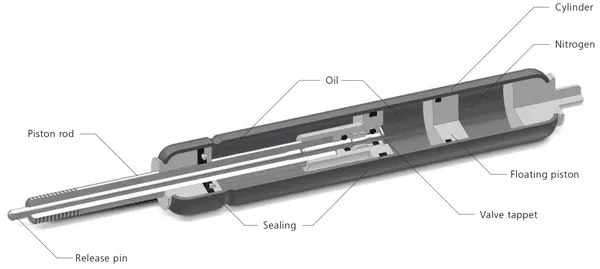
A gas spring consists of multiple seals, a rod, a piston, and a cylinder filled with nitrogen and a small amount of oil for lubrication. In a standard spring, the gas moves freely from one side of the piston to the other through a small orifice, creating constant pressure. However, the locking gas strut introduces a plunger valve inside the piston.
This valve remains closed by default. When closed, the gas or oil cannot flow between the chambers, effectively locking the piston in place. This mechanism creates a rigid or elastic lock depending on the medium utilized in the design. As a professional gas springs manufacturer operating since 2007, Gastac engineers these internal seals to withstand high pressure, ensuring the lock remains secure even under heavy loads.
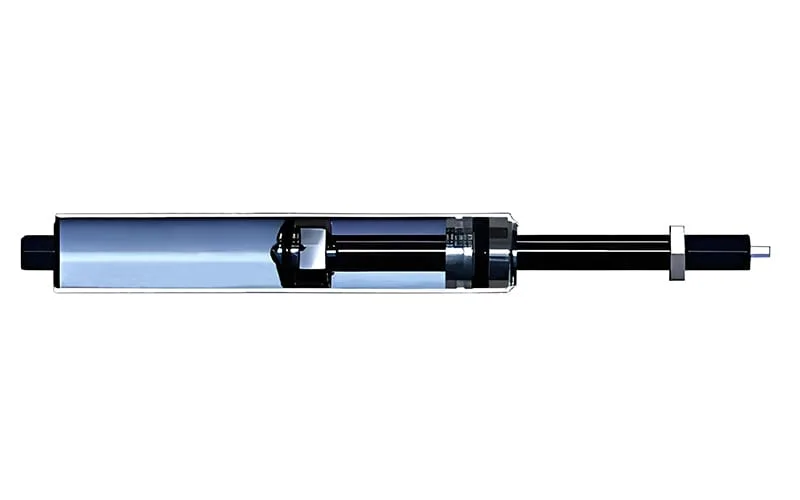
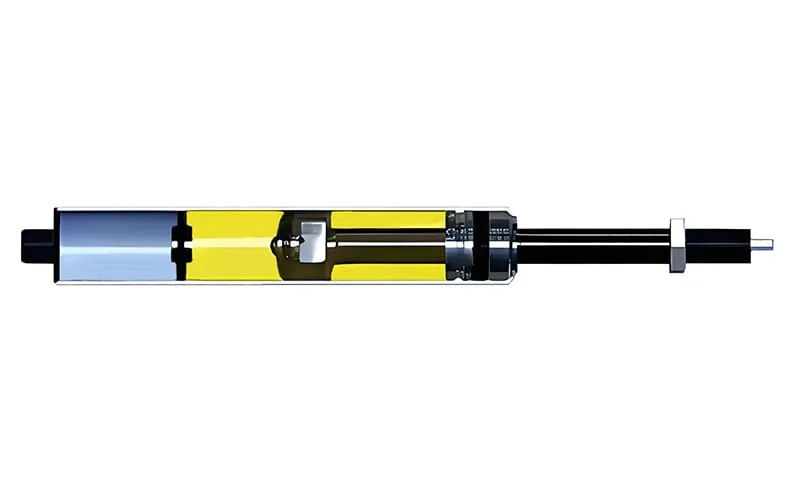
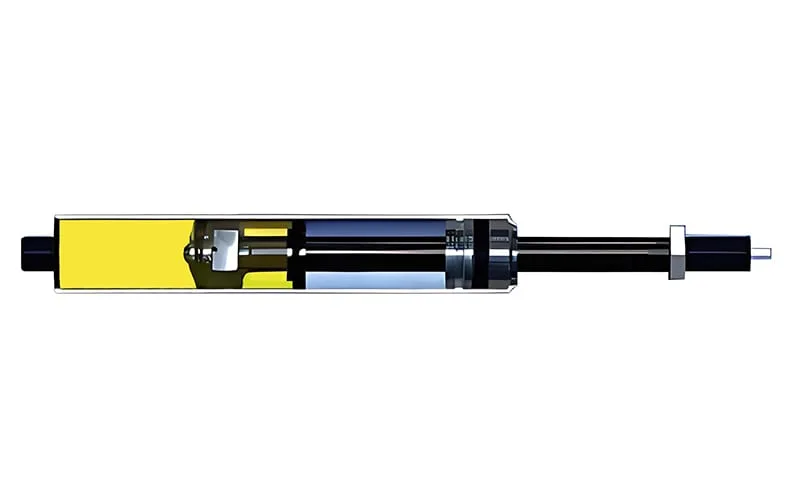
The locking process follows three basic steps:
1
Press the release control. A push button, lever, or remote cable applies force to the release pin and opens the internal valve.
2
Adjust the position. With the valve open, the internal flow path is released, allowing the piston rod to extend or compress smoothly.
3
Release the control. The valve closes immediately and restricts the internal flow, locking the piston rod at the selected position.
Watch this GASTAC video to see different lockable gas spring functions in operation.
What Are the Types of Locking Gas Springs?
Elastic Locking Gas Spring
Elastic locking gas springs are a good choice when a slight rebound in the locked position is required. This design helps absorb sudden peak loads and can reduce or prevent impact forces.
Typical applications include:
Backrest adjustment for seats
Height adjustment of medical equipment
Armrest adjustment
Rigid Locking Gas Strut in Extended Direction
Rigid locking in the extension direction is recommended when any rebound after locking must be avoided, especially in applications where safety and stable positioning are critical.
Typical applications include:
Backrest adjustment for seats
Tilt adjustment of hospital beds
Leg supports for wheelchairs and passenger seats
Rigid Lockable Gas Spring in Compressed Direction
Rigid locking in the compression direction is recommended for light-duty applications that may be exposed to very high forces after locking, where any further compression must be prevented.
Typical applications include:
Tilt adjustment of massage, treatment, and transport beds, including stretchers
Tilt adjustment of steering columns in construction and agricultural machinery
Height adjustment of hospital bedside tables, overbed tables, and server tables
Height adjustment of bistro tables, desks, and coffee tables
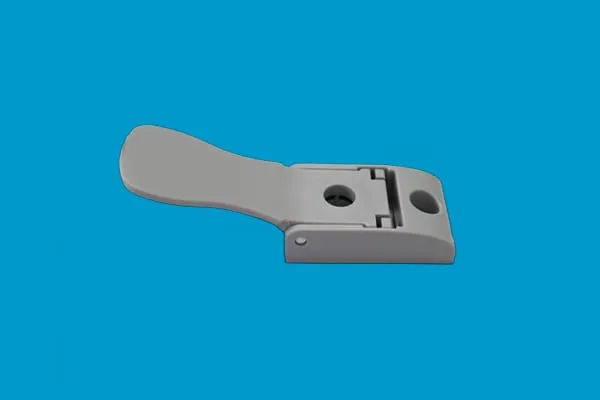
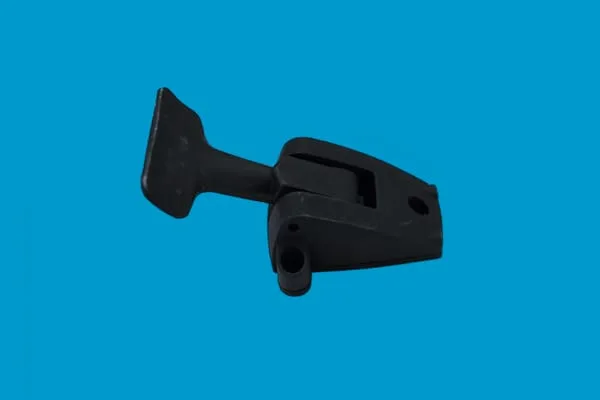
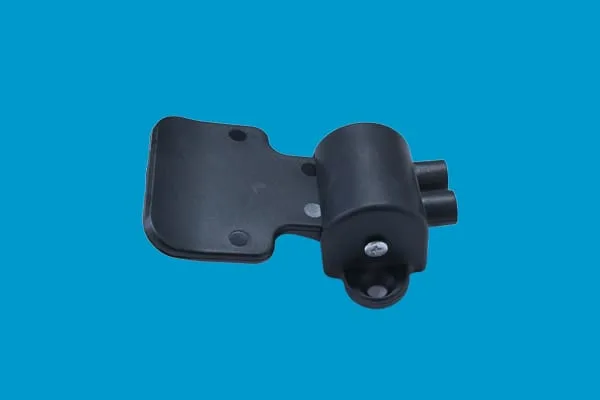
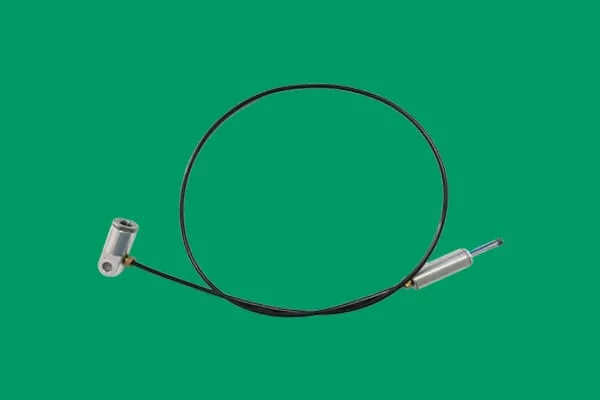
The release pin is located at the end of the piston rod and opens the internal valve when pressed. GASTAC locking gas springs can be operated through a direct control button or a remote Bowden cable system.
Release Button or Lever
BS001
BS002
BS003
A release button or lever is suitable when the user can easily reach the control point. Pressing it unlocks the gas spring for adjustment; releasing it locks the spring again. This option is commonly used for adjustable seats, desks, armrests, and other frequently operated equipment.
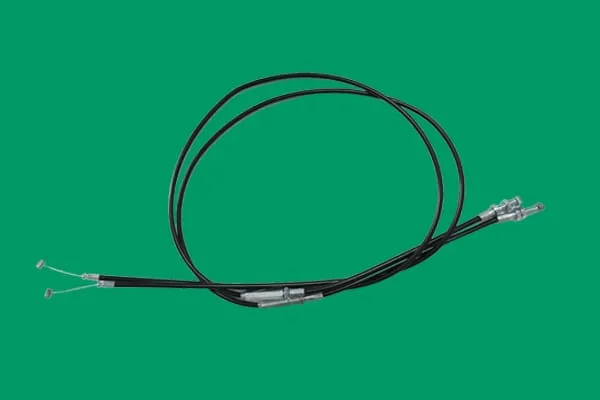
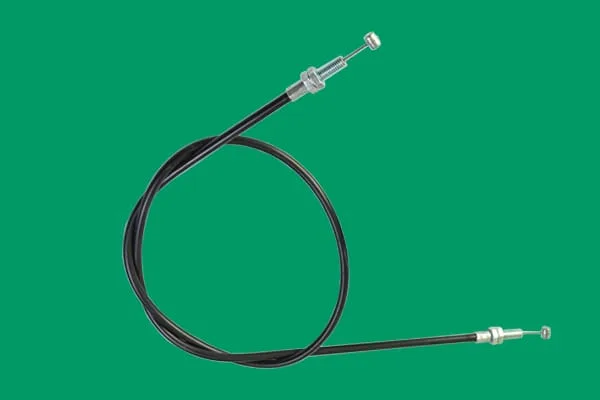
Bowden Cable Remote Release
GTBD001
GTBD002
GTBD003
A Bowden cable transmits the operating force from a remote button or lever to the release head. It is useful when the gas spring is hidden, installed in a confined space, or positioned away from the operator, such as in hospital beds, stretchers, and treatment equipment.
What Locking Gas Spring Sizes and Force Ranges Are Available?
The following table shows standard GASTAC 10/22 locking gas spring options. The required model should be selected according to the application load, stroke, installation dimensions, and locking direction.
10-22 Locking Gas Springs
GASTAC Code
Stroke Length (mm)
Extended Length (mm)
Compressed Length C (mm)
Rod/Body Diameter (mm)
Force Range F1 (N)
Suspa Cross Reference
GTK102220110
20
110
90
10/22
80-400N
2752293
GTK102230130
30
130
100
10/22
80-400N
2752294
GTK102240150
40
150
110
10/22
80-400N
2752295
GTK102260190
60
190
130
10/22
80-400N
2752296
GTK102280230
80
230
150
10/22
80-400N
2752297
GTK1022100270
100
270
170
10/22
80-400N
2752298
GTK1022120310
120
310
190
10/22
80-400N
2752299
GTK1022160390
160
390
230
10/22
80-400N
2752300
GTK1022200470
200
470
270
10/22
80-400N
2752301
GTK1022250570
250
570
340
10/22
80-400N
2752302
Need a different force, stroke, locking function, end fitting, or release method? View our locking gas spring range or contact GASTAC for a model recommendation.
How Do You Choose the Right Locking Gas Strut?
Start with four core parameters:
1
Locking type: elastic, rigid in extension, or rigid in compression.
2
Force and load direction: the supported weight, mounting geometry, and force applied after locking.
3
Stroke and installation length: the required adjustment travel, extended length, and compressed length.
4
Release method: a direct button or lever for accessible installations, or a Bowden cable for remote operation.
Why Choose GASTAC Locking Gas Struts?
As aprofessional gas spring manufacturer, GASTAC produces standard and custom locking gas struts for medical equipment, furniture, transportation, machinery, and other OEM applications.
1
Quality-controlled production: Every gas spring is inspected before delivery, with cycle testing used to verify reliable performance.
2
Certified quality systems: Production is managed under IATF 16949 and ISO 9001:2015 quality systems.
3
Custom engineering support: Force, stroke, length, locking direction, material, end fittings, and release method can be adapted to the application.
4
More than 20 years of export experience: GASTAC supplies gas spring solutions to customers across Europe, the Americas, Asia, Australia, Russia, South Africa, and other markets.
Need help selecting a locking gas strut? Contact GASTAC with your force, stroke, installation dimensions, locking direction, and release requirements to receive a product recommendation and quotation.
FAQ
What Is the Difference Between a Lockable Gas Strut and a Standard Gas Spring?
A standard gas spring provides lifting support but moves when the load overcomes its force. A locking gas strut, also called a lockable gas strut, adds an internal valve, making it possible to lock gas struts at selected positions.
Can a Lockable Gas Spring Be Locked at Any Position or Only at Fixed Points?
Most locking gas springs can be locked at virtually any position within their usable stroke. The permitted load and the amount of movement after locking depend on the selected elastic or rigid design.
How Do You Unlock a Locking Gas Strut?
The gas strut safety lock is controlled by a release button or lever connected to the release pin. For remote operation, the button or lever pulls a Bowden cable that activates the release head. Keep the control pressed while repositioning the equipment, then release it to engage the lock again.
What Is the Difference Between Rigid and Elastic Locking?
Rigid locking is intended to prevent movement in the specified load direction. Elastic locking holds the selected position but allows a small cushioned rebound when an additional load is applied.