








- What Are Office Chair Gas Cylinder?
- What are the Advantages of GASTAC Office Chair Gas Cylinder?
- GASTAC Office Chair Gas Cylinders Specification Sheet
- Office Chair Gas Cylinders Class
- What are the Signs of Damage to Office Chair Gas Lifts?
- What Should you Pay Attention to When Choosing a Gas Cylinder for Your Office Chair?
- How to Choose the Right Office Chair Gas Cylinder?
- How to Measure Office Chair Gas Cylinder?
- How to Replace an Office Chair Gas Lift?

Office Chair Gas Cylinder
Office Chiair Gas Cylinder: Imagine sitting in an office, working hard on your tasks. As you adjust yourself, the chair moves up and down effortlessly, stopping just where you want it. That smooth movement comes courtesy of a piece of engineering magic hidden beneath your seat—the office chair gas cylinder.Whether you’re leaning back to relax or lowering the chair to focus, the gas cylinder responds instantly, keeping you comfortable through every task.

What Are Office Chair Gas Cylinder?
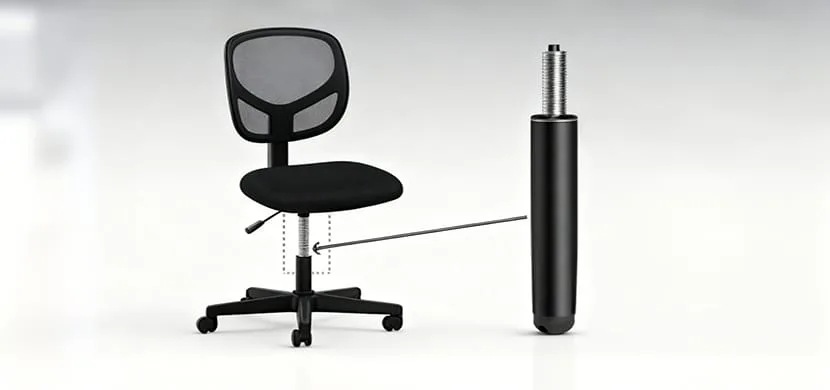
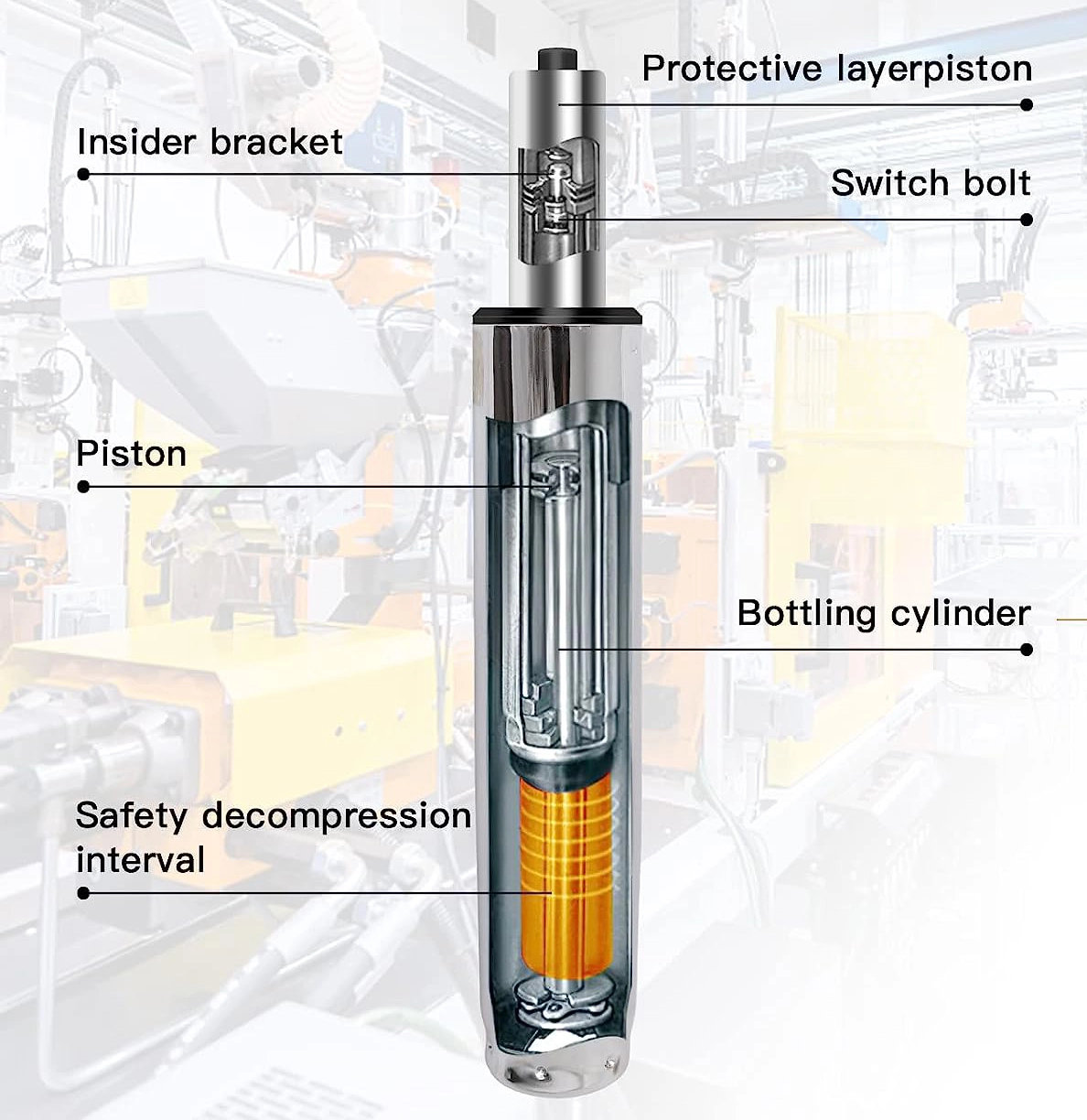
Office chair gas cylinders are mechanisms that control the height adjustment in office chairs. They use pressurized nitrogen gas to create a lifting force, allowing the seat to raise or lower smoothly. A release lever controls the spring’s extension or compression, enabling users to adjust the chair height to their preference.

What are the Advantages of GASTAC Office Chair Gas Cylinder?
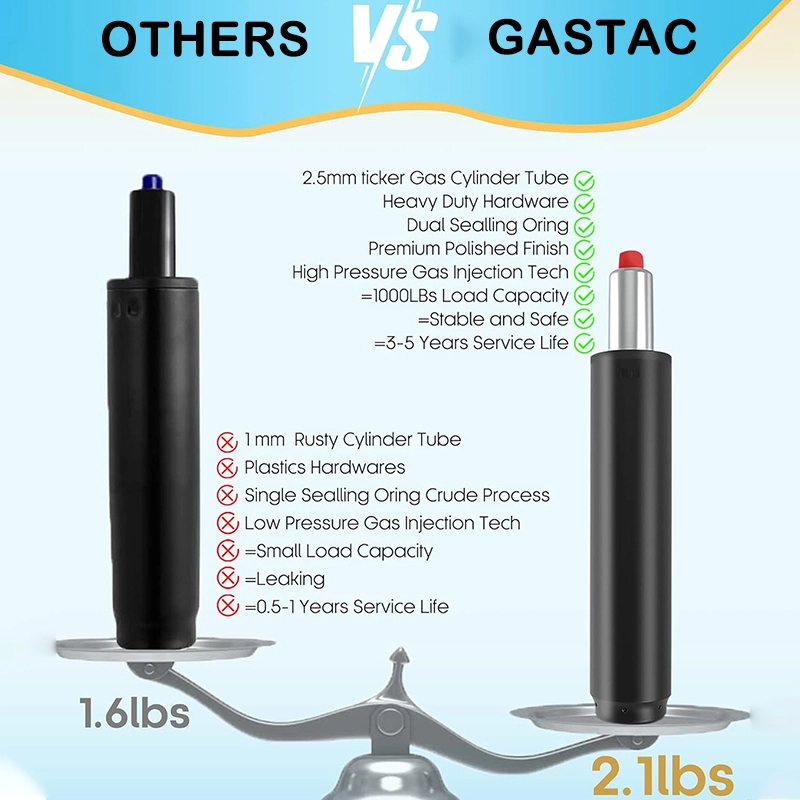
- Durability: Made with high-quality materials, GASTAC office chair gas cylinders are built to withstand daily use, enhancing chair longevity.
- Smooth Operation: They provide consistent, smooth height adjustments for comfortable positioning.
- Stability: Engineered for stability, they prevent wobbling, ensuring reliable support.
- High Weight Capacity: GASTAC chair gas cylinders accommodate various weight loads, making them versatile for multiple users.
- Enhanced Safety: Designed with rigorous safety standards, they reduce risks of sudden drops or gas leakage.
- Noise Reduction: They operate quietly, minimizing distractions and improving the user experience.

GASTAC Office Chair Gas Cylinders Specification Sheet
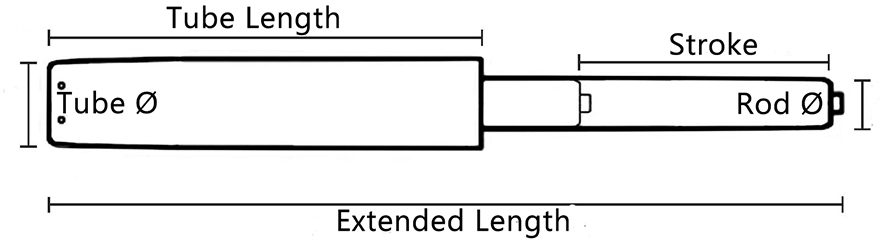
GASTAC office chair gas cylinders are available in multiple sizes, stroke lengths, and force options to meet different chair designs—from executive office chairs to task seating and ergonomic chairs. Each model is designed to ensure compatibility with standard office chair bases and mechanisms, making replacement and installation simple and efficient. Below is the detailed specification sheet of GASTAC office chair gas cylinders:
| ITEM | Rod O (mm) | Tube O (mm) | Tube Length (mm) | Stroke (mm) | Extended Length (mm) |
| GTC2850150 | 28 | 50 | 150 | 40 | 235 |
| GTC2850160 | 28 | 50 | 160 | 65 | 274 |
| GTC2850185 | 28 | 50 | 185 | 85 | 314 |
| GTC2850195 | 28 | 50 | 195 | 100 | 344 |
| GTC2850215 | 28 | 50 | 215 | 120 | 384 |
| GTC2850235 | 28 | 50 | 235 | 140 | 424 |
| GTC2850260 | 28 | 50 | 260 | 160 | 463 |
| GTC2850280 | 28 | 50 | 280 | 180 | 513 |
| GTC2850300 | 28 | 50 | 300 | 200 | 553 |
| GTC2850380 | 28 | 50 | 380 | 260 | 692 |
Office Chair Gas Cylinders Class
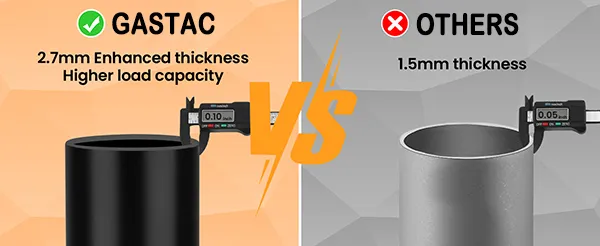
Office chair gas cylinders are classified into different strength levels based on tube wall thickness and structural durability. Each class is designed to support different load requirements and usage intensity, from light-duty seating to heavy-duty ergonomic office chairs. Below is the specification comparison of each gas cylinder class:

| Class | Piston Tube Thickness | Cylinder Tube Thickness |
| Class 1 | 1.0 mm | 1.0 mm |
| Class 1+ | 1.2 mm | 1.0 mm |
| Class 2 | 1.5 mm | 1.0 mm |
| Class 2+ | 1.5 mm | 1.2 mm |
| Class 3 | 2.0 mm | 1.2 mm |
| Class 3+ | 2.0 mm | 1.5 mm |
| Class 4 | 2.5 mm | 1.5 mm |
What are the Signs of Damage to Office Chair Gas Lifts?
- Chair Sinking: The chair no longer holds its height and slowly sinks under weight.
- Stiff or Jerky Movements: Height adjustment becomes rough or difficult, rather than smooth.
- Leaking Fluid: Visible oil or gas leakage around the cylinder.
- Weak Lift Force: The spring struggles to lift the chair when the lever is activated.
- Unusual Noise: Clicking or hissing sounds when adjusting height may indicate internal damage.
- Wobbling or Instability: The chair feels unstable or wobbly, affecting comfort and safety.
What Should you Pay Attention to When Choosing a Gas Cylinder for Your Office Chair?
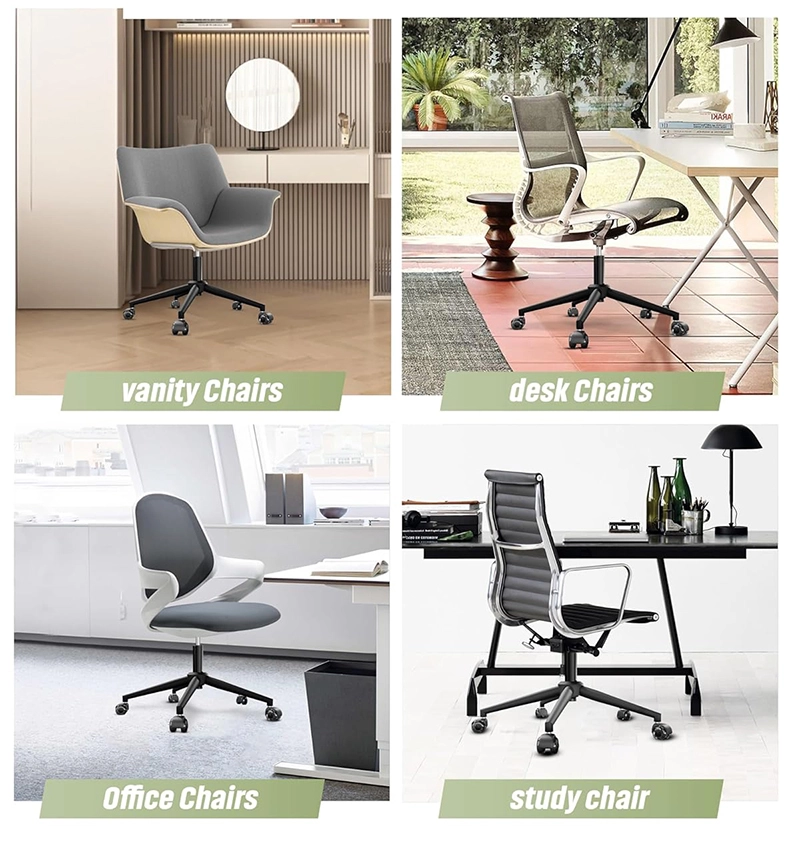
- Standard Pneumatic Chair: Most office chairs with adjustable height are designed for gas cylinders, especially ergonomic chairs. Popular models from brands like Herman Miller, Steelcase, and Secretlab are built with gas cylinders.
- Base Compatibility: Look for chairs with a reinforced five-point base that can support the gas cylinder’s hydraulic system, providing stability and distributing weight evenly. Metal bases are especially durable for heavier gas cylinders.
- Seat Mechanism Support: Ensure the chair has an under-seat mechanism compatible with gas cylinders, with a lever that allows easy height adjustment.
- Replaceable Cylinder Feature: Many chairs allow you to replace or upgrade the gas cylinder. Models from brands like HON, Amazon Basics, or certain gaming chairs often allow easy cylinder replacement.
- Weight Capacity: Some heavy-duty chairs are designed for gas cylinders that support higher weight limits. Look for models rated for higher capacities if extra durability is needed.
How to Choose the Right Office Chair Gas Cylinder?
Choosing the right office chair gas cylinder is important for smooth height adjustment, safety, and long-term durability. Key factors such as class level, stroke length, and tube dimensions directly affect compatibility and function. Comparing these specifications will help you quickly identify the most suitable option for your chair. Please refer to the specification comparison below:
- Cylinder Class – Determines strength, load capacity, and durability
- Stroke Length – Defines height adjustment range
- Tube Dimensions – Ensures proper mechanical fit
- Extended & Compressed Length – Must match chair structure
- Load Capacity – Ensures safe and stable support
- Compatibility – Must fit base, mechanism, and mounting type
How to Measure Office Chair Gas Cylinder?
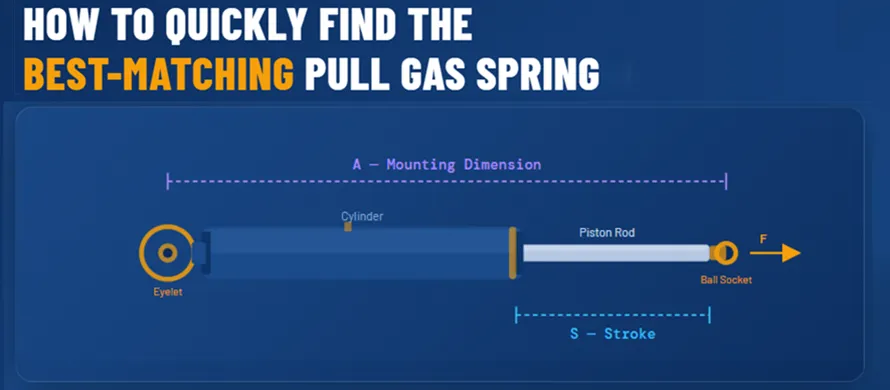
To measure an office chair gas cylinder, remove it from the chair, then measure the outer diameter of the cylinder tube, typically in inches or millimeters. Next, measure the stroke or travel, which is the distance from the fully extended to fully compressed positions.

How to Replace an Office Chair Gas Lift?
- Remove the Base: Turn the chair upside-down, and use a rubber mallet to tap and loosen the base from the gas spring.
- Detach the Old Gas Spring: Use a pipe wrench to twist and remove the old gas spring from the seat.
- Insert the New Gas Spring: Insert the new gas spring into the chair mechanism.
- Attach the Base: Reassemble the base onto the new gas spring.
- Test the Chair: Adjust the height to ensure the new gas spring works smoothly.
张航
Stay in the loop