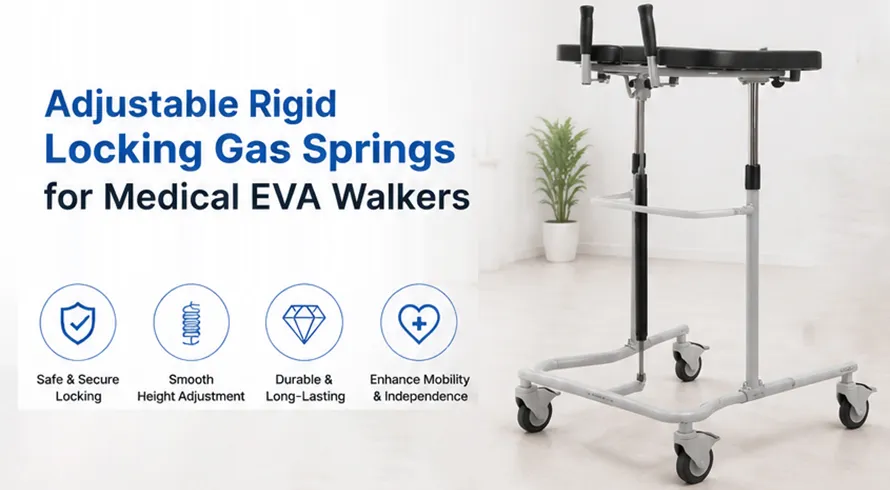
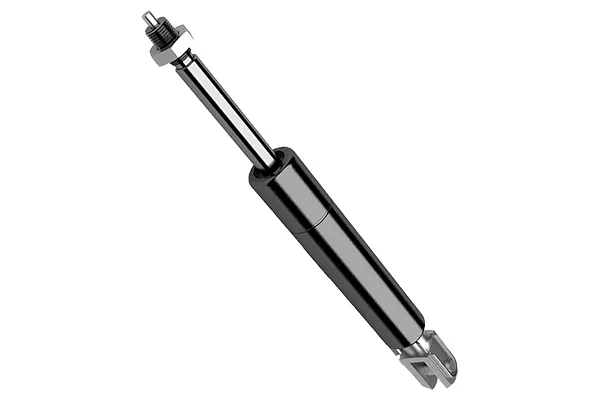
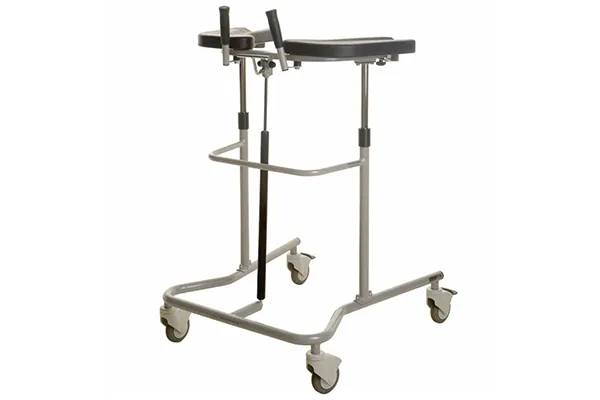
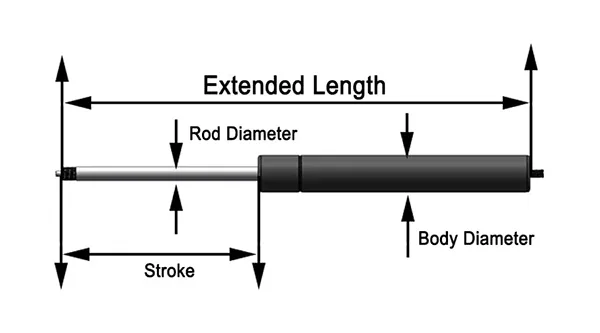





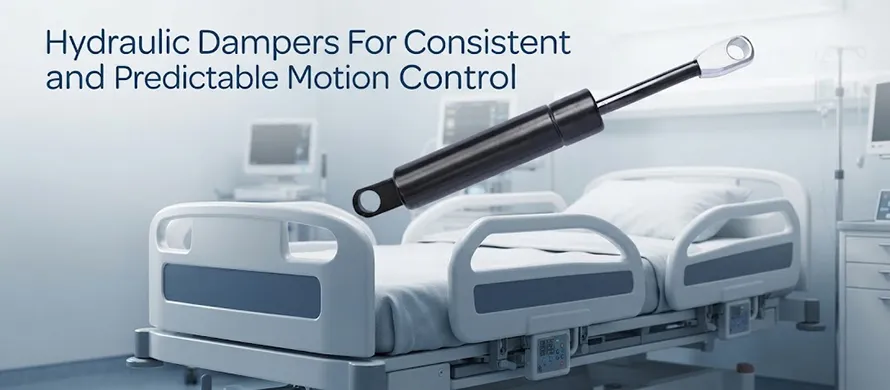



Lockable gas springs are used on medical EVA walkers to adjust and lock the height of forearm supports, handles, and upper-body support systems. They allow therapists and caregivers to quickly adapt one walker to different users while preventing sudden movement during rehabilitation. The result is safer gait training, easier adjustments, and improved comfort for both pediatric and adult patients.EVA
Key Benefits of Lockable Gas Springs in Medical EVA Walkers
When integrated into medical EVA walkers, lockable gas springs provide several important benefits for patients, caregivers, and rehabilitation professionals. The following are the most notable advantages.
- Quick Adjustment for Different Users
- Secure Position Locking During Gait Training
- Less Physical Effort for Caregivers
- Enhanced Postural Support and Correction
- Increased Safety During Rehabilitation Exercises
- Tool-Free Setup for Daily Multi-User Operation
Process to Choose the Appropriate Locking Gas Springs
Selecting the right locking gas spring for a medical EVA walker is essential to ensure safe adjustment, stable positioning, and reliable long-term performance. A structured evaluation helps manufacturers and designers match the gas spring specifications with real rehabilitation use conditions. The following steps are commonly used in the selection process:
- Determine the patient’s height range and the adjustment range of the EVA Walkers.
- Determine the patient’s weight and the required initial force range for the EVA Walkers.
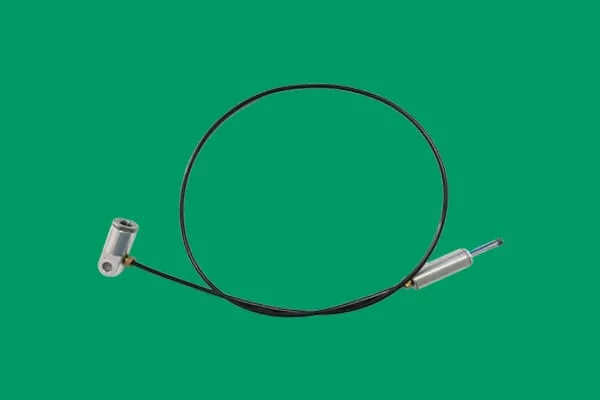
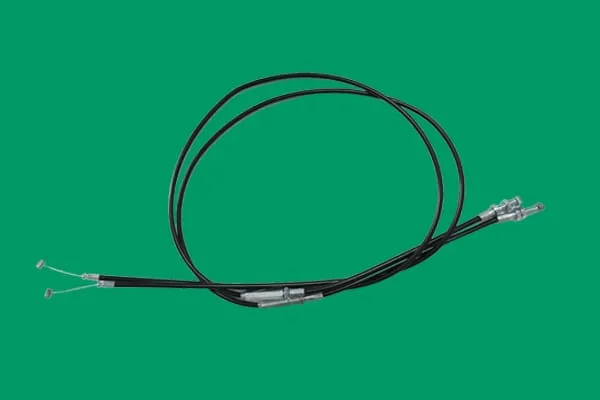
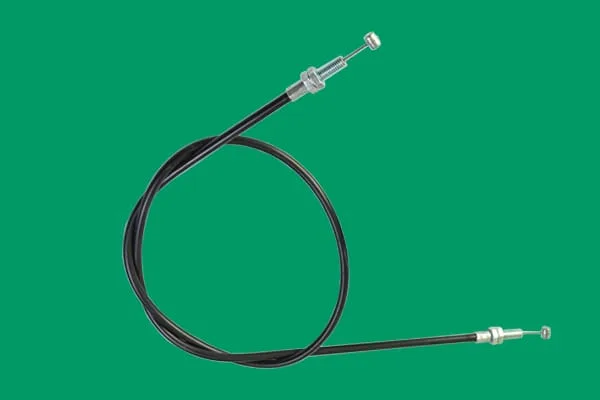
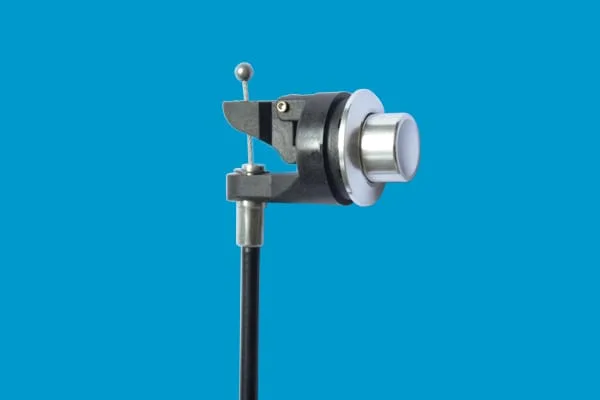
- Select appropriate gas spring end fittings and a Bowden cable system.
- Conduct prototype testing to verify motion smoothness and locking reliability under load.
- Confirm compliance with medical durability and service life requirements.
Weight Capacity of Locking Gas Springs Medical EVA Walkers
Medical EVA walkers are engineered to support users with different body weights while maintaining stability during rehabilitation and gait training. The load capacity is determined by both the user’s body weight and dynamic movement during walking, ensuring safe and reliable performance in clinical environments.
Below are the typical weight and load force ranges of standard EVA walker models:
| Model Type | User Weight Range | Force (F1) |
|---|---|---|
| Pediatric EVA Walker | 15 – 40 kg | 220 – 590 N |
| Junior / Kids EVA Walker | 30 – 60 kg | 440 – 880 N |
| Youth Rehabilitation Walker | 50 – 80 kg | 735 – 1180 N |
| Standard Adult EVA Walker | 70 – 120 kg | 1030 – 1770 N |
Locking Gas Springs Medical EVA Walkers for Different User Height
Medical EVA walkers are designed with a wide adjustment range to fit users of different body heights. This allows safe and proper positioning for both children and adults during rehabilitation, and enables quick switching between different patients in clinical use. Below are the typical height ranges of standard EVA walker models:
| Model Type | Support Height Adjustment Range | Recommended User Height |
|---|---|---|
| Pediatric EVA Walker | 400 – 700 mm | 80 – 120 cm |
| Youth Rehabilitation Walker | 650 – 950 mm | 130 – 165 cm |
| Bariatric / Heavy Duty EVA Walker | 850 – 1300 mm | 160 – 200 cm |
End Fitting Gas Springs for EVA Walkers
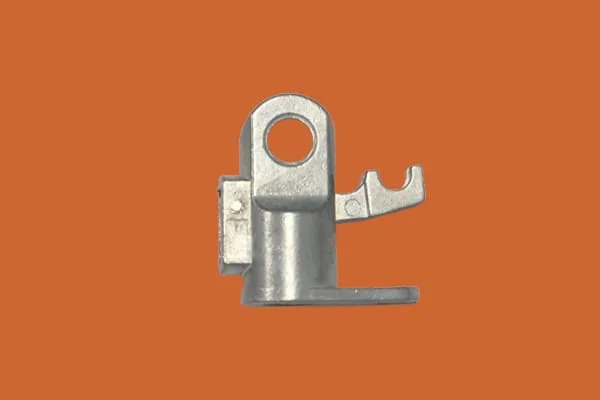
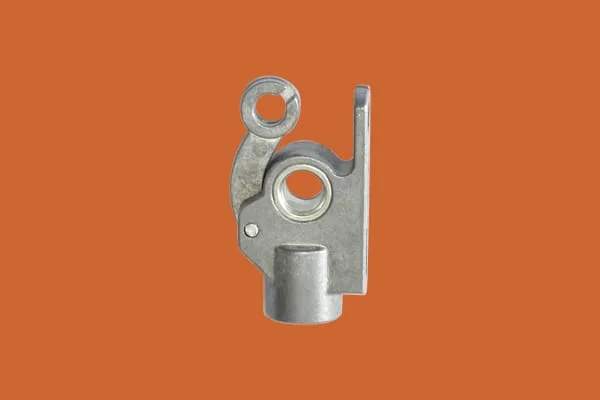
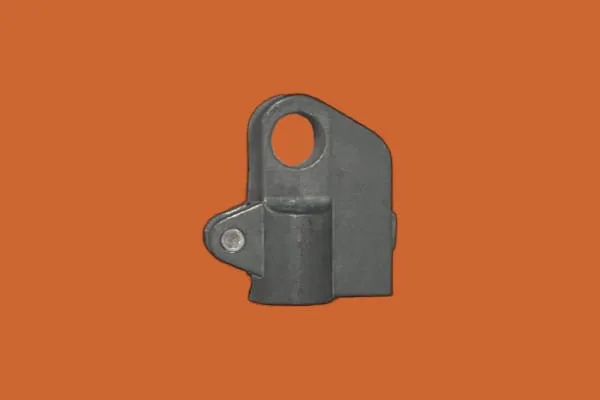
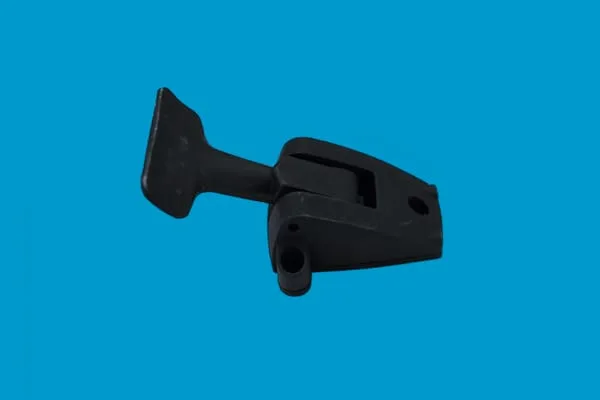
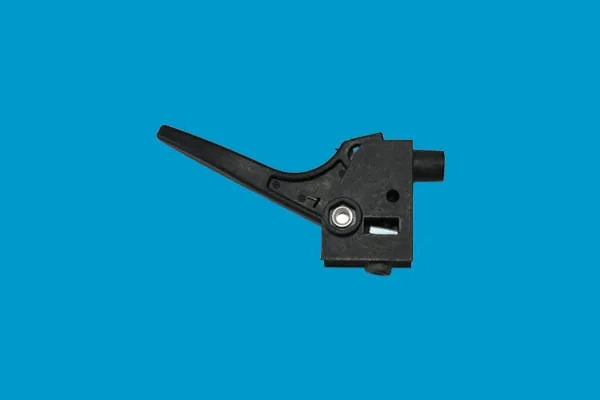
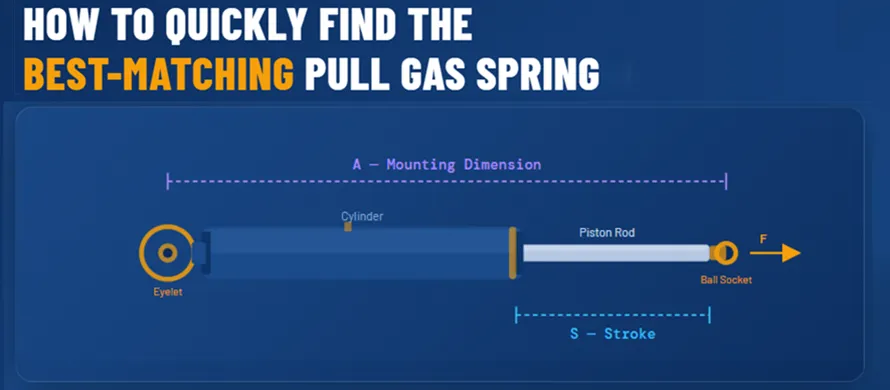
End fitting options play a key role in how locking gas springs integrate with EVA walker structures. They determine the connection method, installation flexibility, and overall stability of the adjustment system. In rehabilitation equipment, end fittings must ensure secure mounting while allowing smooth angular movement during repeated height and position adjustments. Typical components include:
Gas Spring End Fittings

XHJ001

XHJ002

XHJ003
Bowden Cables

GTBD001

GTBD002

GTBD003
Release Systems

BS002

BS004

AN002
GASTAC Locking Gas Springs for EVA Walkers Specifications
张航
Stay in the loop