Published On: 04/03/20262.9 min readCategories: NewsBy 吴, 文禄
How to Install Gas Springs for Boat Hatches
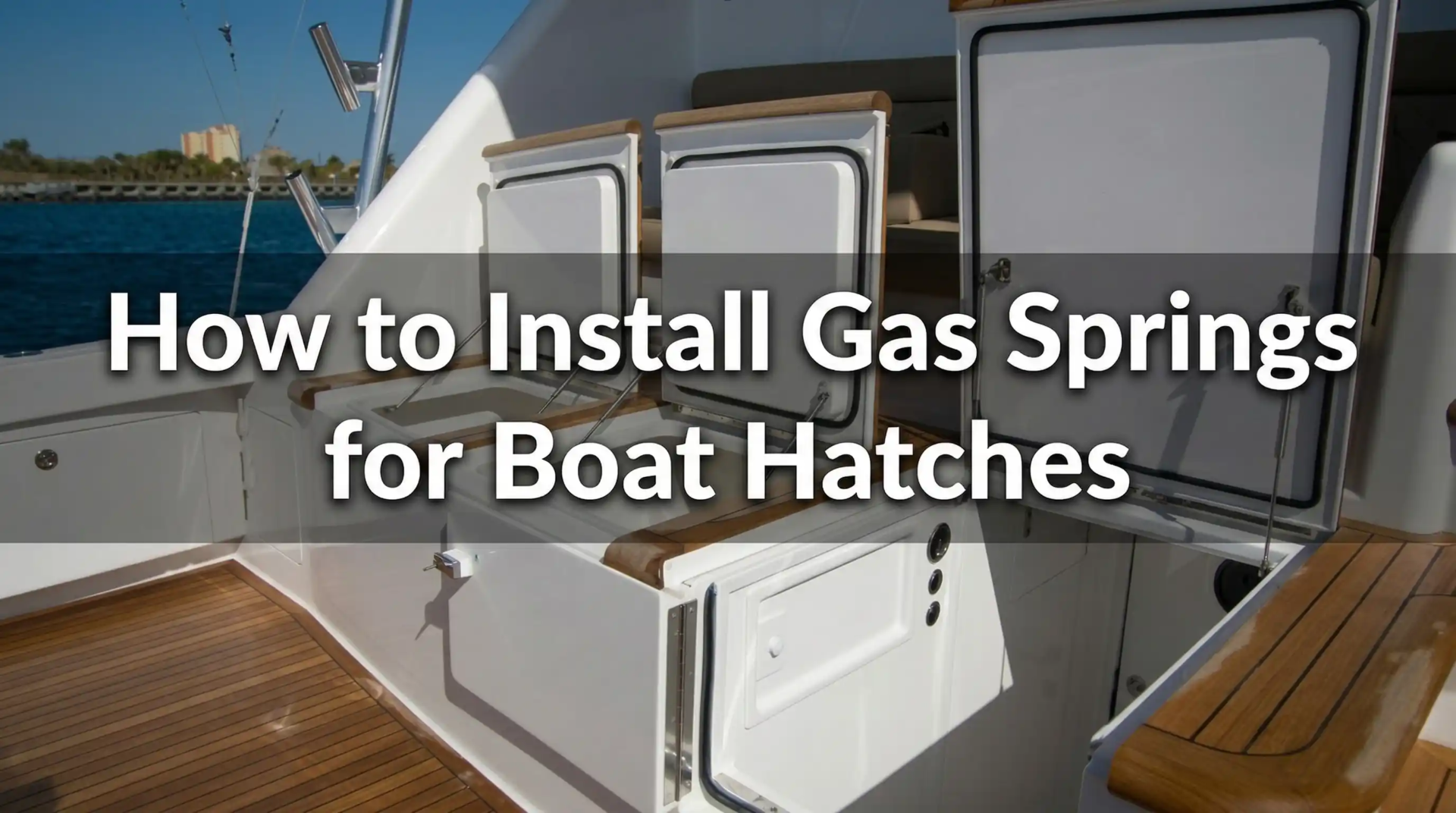
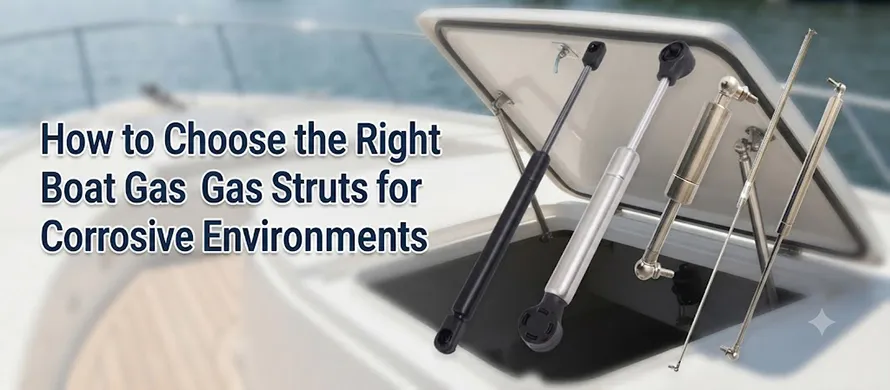
Installing gas springs for boat hatches improves safety and usability. It allows smooth lifting, stable holding, and controlled closing. Boat hatch gas springs are widely used for both new installations and replacements because they prevent sudden slamming and make access easier.
Choosing the Right Gas Spring Model
Selecting the correct gas springs for boat hatches is essential for proper performance. The goal is to balance lifting force and control.
Key factors to consider:
Hatch weight and overall size
Distance from hinge to front edge
Material type such as aluminum or fiberglass
Required function such as lifting, holding, or damping
In most cases, a properly matched pair of boat hatch gas springs provides reliable support. For more accurate selection, measured data or technical supportis recommended.
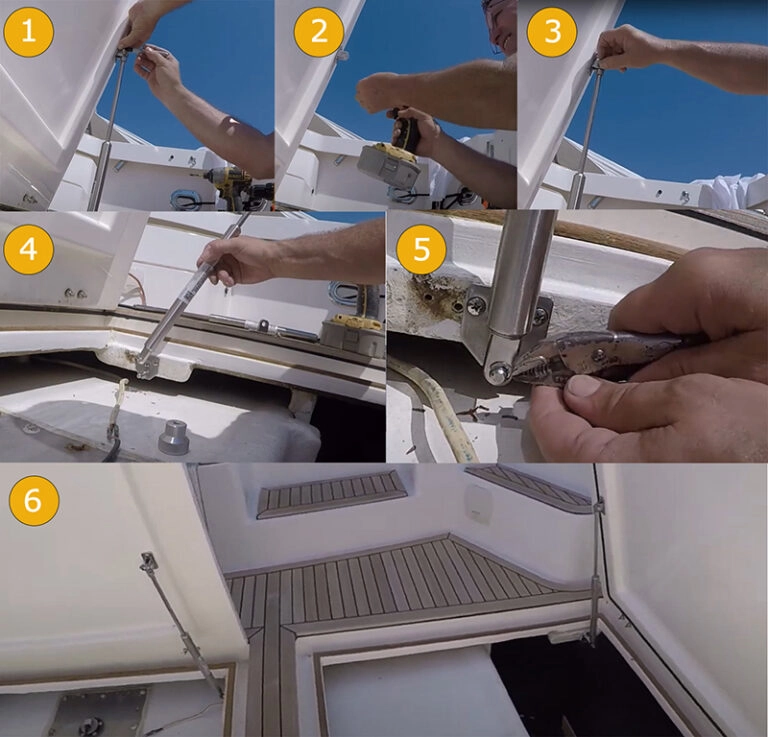
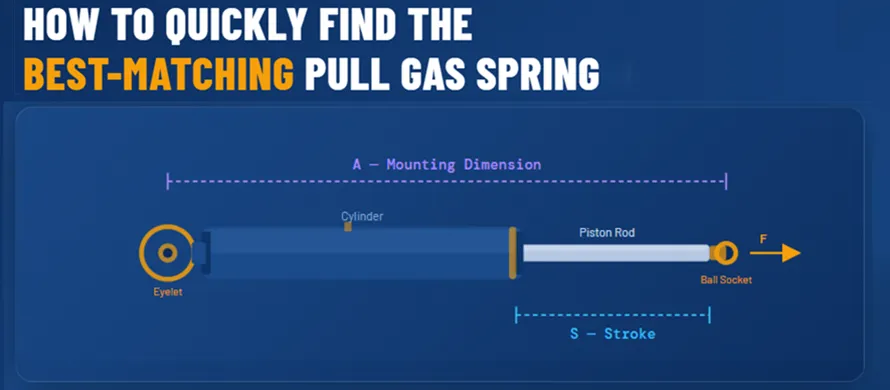
For a more practical guide, check out this helpful YouTube tutorial on installing gas springs for boat hatches. It provides a visual guide to the installation process, covering key steps and offering useful tips to make the task even easier.
Step 1: Determine Mounting Points
Accurate mounting positions are critical for boat hatch gas springs.
Follow these guidelines:
Open the hatch to the desired angle
Place the upper mounting point at 25% to 30% of the extended length from the hinge
Fully extend the gas spring to locate the lower mounting point
Ensure the hatch can fully close when the gas spring is compressed
Mark all positions clearly before installation. A relatively vertical alignment is recommended for better performance and durability.
Step 2: Install the Gas Springs
Once mounting points are defined, proceed with installation.
Steps:
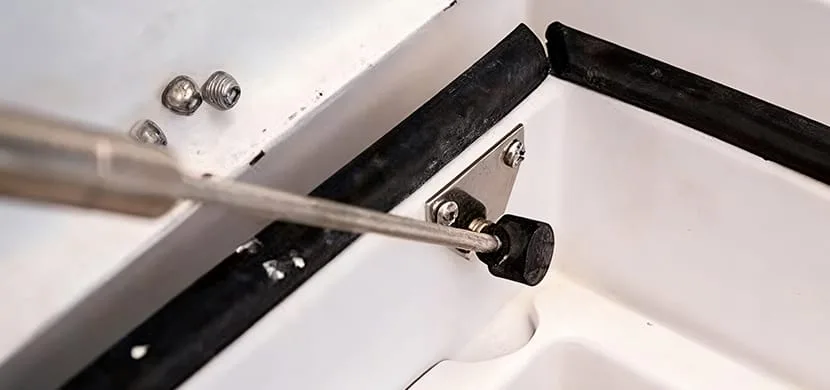
Fix the brackets securely using screws
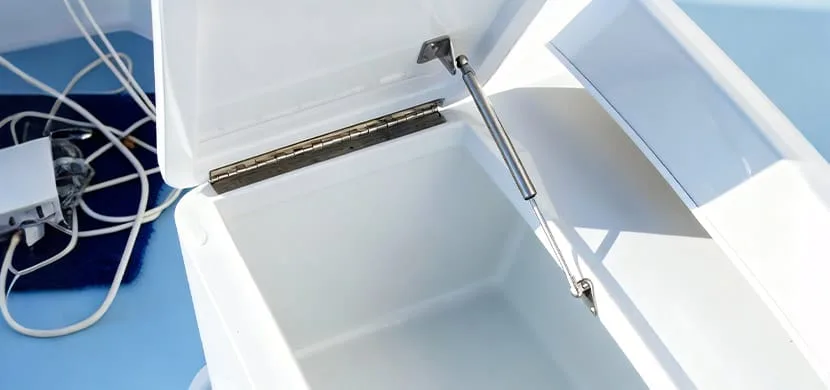
Install the gas spring with the rod facing downward
Align the end fittings with the ball studs
Press until a firm “click” connection is achieved
Rod-down installation helps lubrication and extends service life. Repeat on the opposite side for balanced support.
After installation, testing ensures the gas springs for boat hatches function correctly.
Check the following:
The hatch opens smoothly
It stays open without support
Closing is controlled and not forced
Common Installation Mistakes
Even with correct gas springs for boat hatches, installation errors can affect performance.
Common mistakes include:
Incorrect mounting positions leading to poor lift or inability to close
Installing the rod facing upward, reducing lifespan
Selecting force that is too strong or too weak
Mounting points placed too close together
Ignoring alignment, causing side load and wear
Avoiding these issues ensures boat hatch gas springs work reliably over time.
Maintenance Tips
Routine maintenance helps extend the lifespan of boat hatch gas springs.
Recommended actions:
Keep the rod clean and free from corrosion
Avoid side loading during operation
Inspect mounting points regularly
Replace worn components promptly
About Gastac Gas Springs
Once installation is complete, choosing a reliable supplier becomes important for long-term performance.
Gastac is a gas spring manufacturer and gas spring supplier with stable production and supply capabilities. Our advantages include:
Bulk supply and wholesale support
OEM customization flexibility
Certified quality with IATF 16949 and ISO 9001:2015
Manufacturing experience since 2007
Two-year after-sales warranty
Conclusion
Proper installation of gas springs for boat hatches ensures safety, durability, and ease of use. By selecting the right model, installing it correctly, and avoiding common mistakes, you can achieve reliable long-term performance.
For selection support, customization, or bulk purchasing, feel free to contact our team for professional assistance.