Locking Gas Springs & Struts: How to Choose the Right Type
Published On: 04/02/20264.1 min readCategories: NewsBy 吴, 文禄
Locking Gas Springs & Struts: How to Choose the Right Type
Choose locking gas springs according to the movement that must be prevented after locking: use elastic locking when slight rebound is needed, rigid in extension for tension loads, and rigid in compression when further compression cannot be allowed. Then confirm the force, stroke, installed lengths, mounting direction, and release method.
Which Type of Locking Gas Spring Should You Choose?
The main gas spring types and options are compared below. All three types can be locked at any position along the stroke; the difference is how they respond to external loads after locking.
Elastic Locking Gas Spring
Flexible locking gas springs allow slight rebound in the locked position to absorb peak loads and reduce or prevent impact forces.
Typical applications:
Backrest adjustment for seats
Height adjustment of medical equipment
Armrest adjustment
Rigid Locking Gas Struts in Extension
Rigid locking gas struts in extension avoid rebound under tension after locking and are recommended where safety and stable positioning are critical.
Typical applications:
Backrest adjustment for seats
Tilt adjustment of hospital beds
Leg supports for wheelchairs and passenger seats
Rigid Locking Gas Spring in Compression
Rigid locking gas springs in compression prevent further compression after locking and are recommended for light-duty applications that may be exposed to very high external forces.
Typical applications:
Tilt adjustment of massage, treatment, and transport beds, including stretchers
Tilt adjustment of steering columns in construction and agricultural machinery
Height adjustment of hospital bedside tables, overbed tables, and server tables
Height adjustment of bistro tables, desks, and coffee tables
What Should You Check Before Choosing Locking Gas Struts?
A reliable gas spring selection depends on four main checks:
Load and locking direction: Determine the supported weight, center of gravity, mounting geometry, and whether the locked spring must resist a tension or compression load. Refer to how to calculate gas spring force or consult an engineering team if needed.
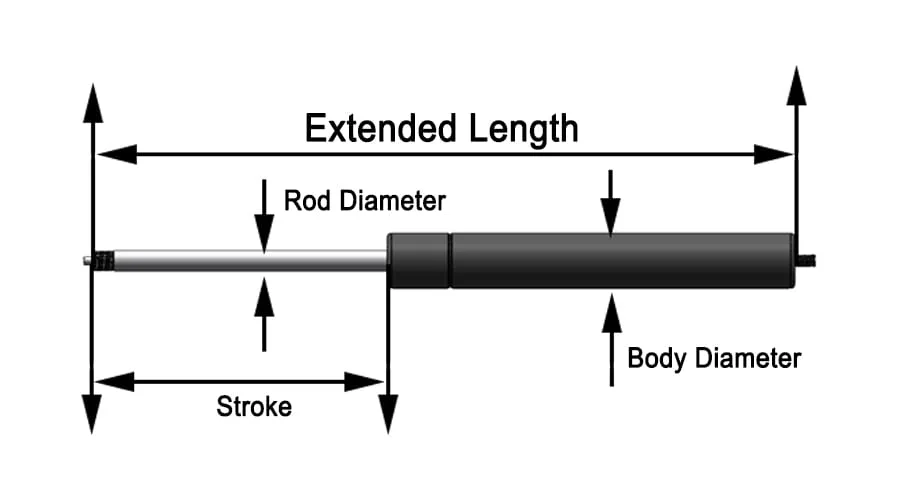
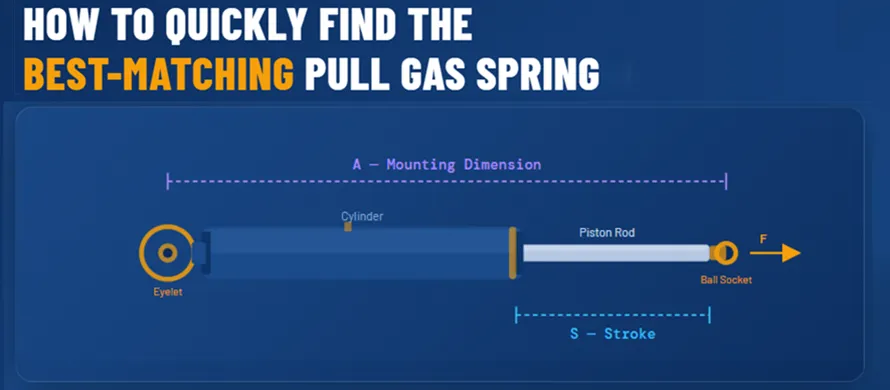
Stroke and lengths: Confirm the required travel, compressed length, and extended length to prevent restricted movement or installation interference.
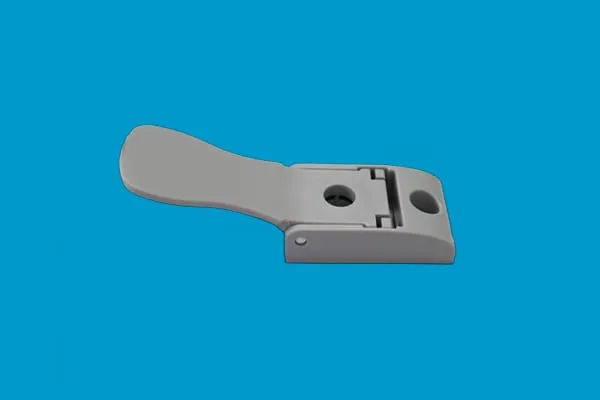
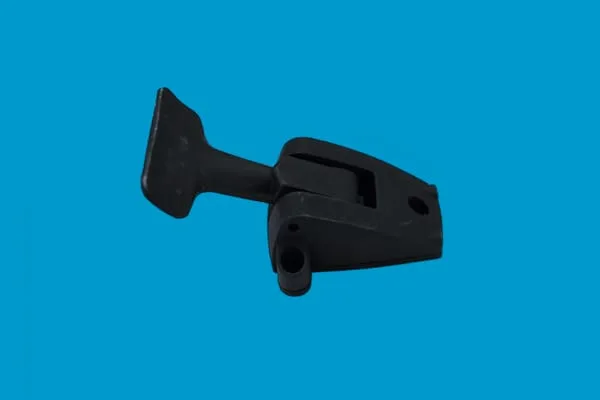
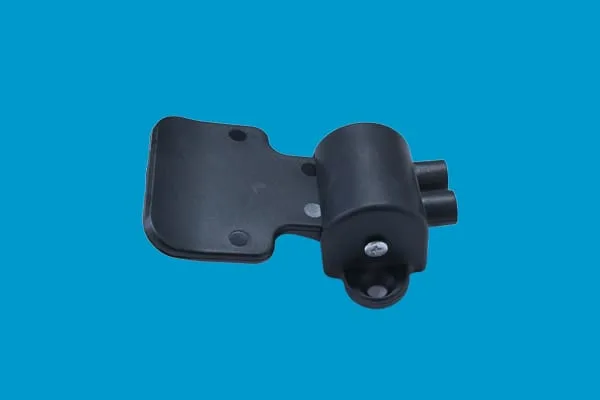
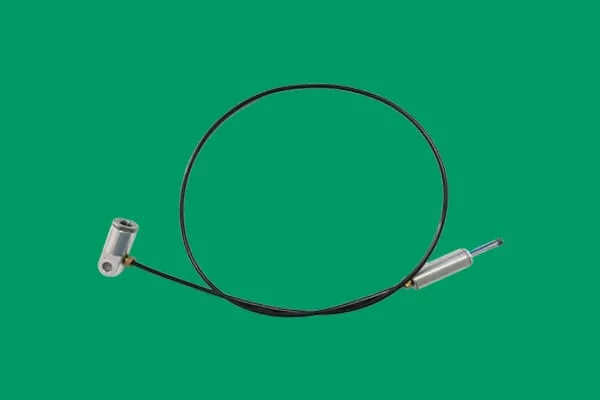
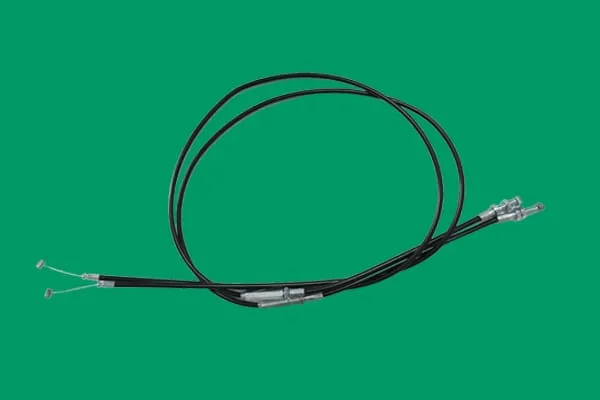
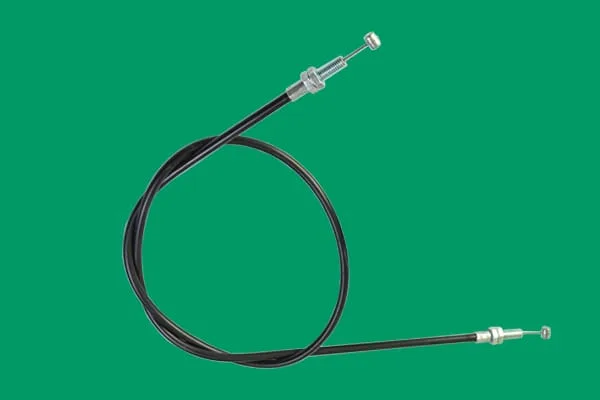
Mounting and release: Check the required mounting orientation and choose a suitable button, lever, or cable-operated release system.
BS001
BS002
BS003
GTBD001
GTBD002
GTBD003
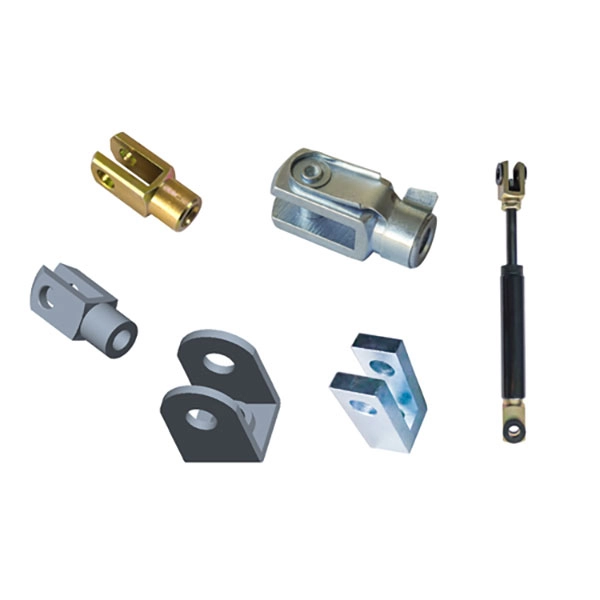
Environment and fittings: Consider temperature, humidity, and corrosion, and select suitable ball joints, eyelets, clevis forks, or other gas spring end fittings and mounting brackets.
Which Gastac Locking Struts Are Available?
For an initial comparison, Gastac’s standard GTK locking struts can be summarized by series. The exact part number is selected according to the required stroke and force.
Gastac Series
Stroke Range
Extended Length
Compressed Length
Force Range F1
SUSPA Cross Reference
GTK 10/22
20–250 mm
110–570 mm
90–340 mm
80–400 N
2752293–2752302
GTK 10/26
20–250 mm
110–570 mm
90–340 mm
100–800 N
2752304–2752313
Standard ranges cover many seating, medical, furniture, and industrial applications. OEM force, stroke, end fittings, and release configurations are also available for applications with specific installation requirements.
Why Choose Gastac
When comparing locking gas springs suppliers, buyers should consider specification support, manufacturing consistency, customization capability, and reliable delivery.
Gastac provides:
Gas spring manufacturing experience since 2007
Production certified under IATF 16949 and ISO 9001:2015
Standard models and OEM force, stroke, end fitting, and release options
Engineering support for product selection and replacement applications
Need help choosing a locking gas spring?
Send us your load weight, load direction, required stroke, compressed and extended lengths, mounting position, working environment, and application drawing. Gastac engineers will recommend a suitable locking type, force range, and standard or custom model.
Can adjustable locking gas springs stop at any position?
Yes. The release pin opens the internal valve so the piston rod can move. When the release pin is released, the valve closes and the gas spring locks at the selected position.
What is the difference between elastic and rigid locking?
Elastic locking allows slight movement after locking and helps absorb impact. Rigid locking prevents movement in a specified direction and is used when stable positioning or safety is more important.
How do I choose the correct force and stroke?
The force depends on the load weight, center of gravity, mounting points, and operating angle. The stroke should provide the required movement while keeping the compressed and extended lengths within the available installation space.
What information is needed to select a lockable gas spring?
Provide the load weight, load direction, required stroke, compressed and extended lengths, mounting position, operating environment, and an application drawing if available.
How quickly can Gastac deliver?
Standard models can usually be supplied quickly. Lead time depends on the order quantity and whether the force, stroke, end fittings, or release system requires customization. Contact Gastac for a confirmed delivery schedule before ordering.
How does Gastac ensure quality and handle after-sales issues?
Gastac manufactures under IATF 16949 and ISO 9001:2015 quality systems. Each product is inspected and tested before shipment. Gastac provides a two-year warranty; if a quality issue occurs during the warranty period, our after-sales team will review it and provide an appropriate solution under the warranty terms.