304 vs 316 Stainless Gas Struts: Which Should You Choose?
Published On: 04/01/20262.1 min readCategories: NewsBy 吴, 文禄
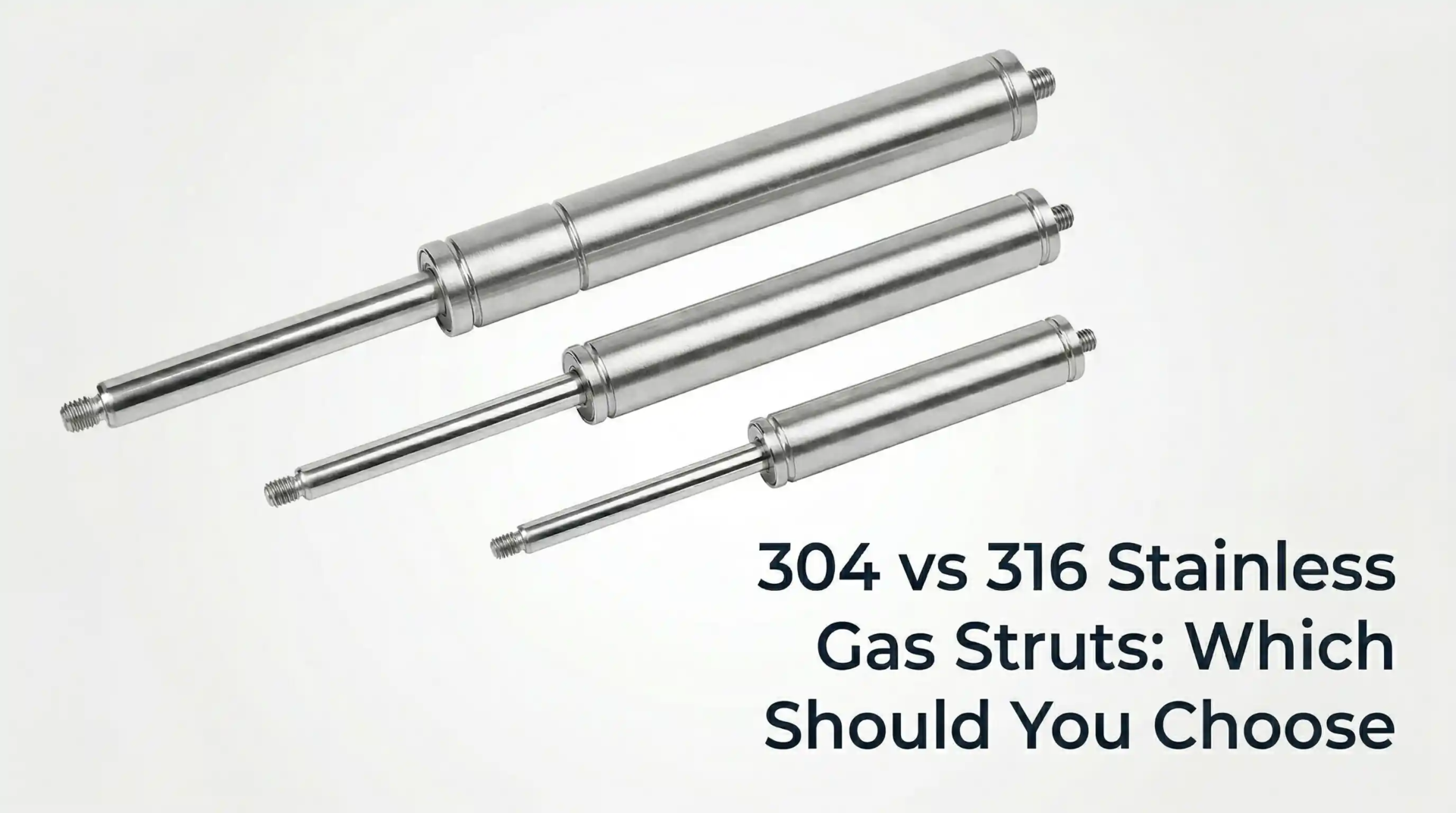
304 vs 316 Stainless Gas Struts: Which Should You Choose?
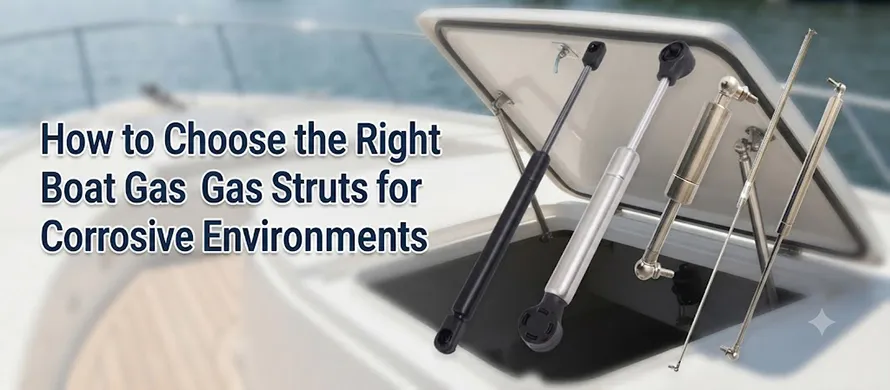
When choosing stainless gas struts, the key decision is material: 304 or 316. For general environments, 304 stainless gas struts offer a cost-effective solution. For marine, chemical, or high-humidity conditions, 316 stainless gas struts provide superior corrosion resistance and longer service life. Choosing the right material ensures reliable performance and reduces long-term maintenance costs.
Applications of Stainless Gas Struts
Stainless gas springs are widely used in environments where corrosion resistance and reliability are critical.
Outdoor cabinets and enclosures exposed to weather
Industrial environments with moisture or chemicals
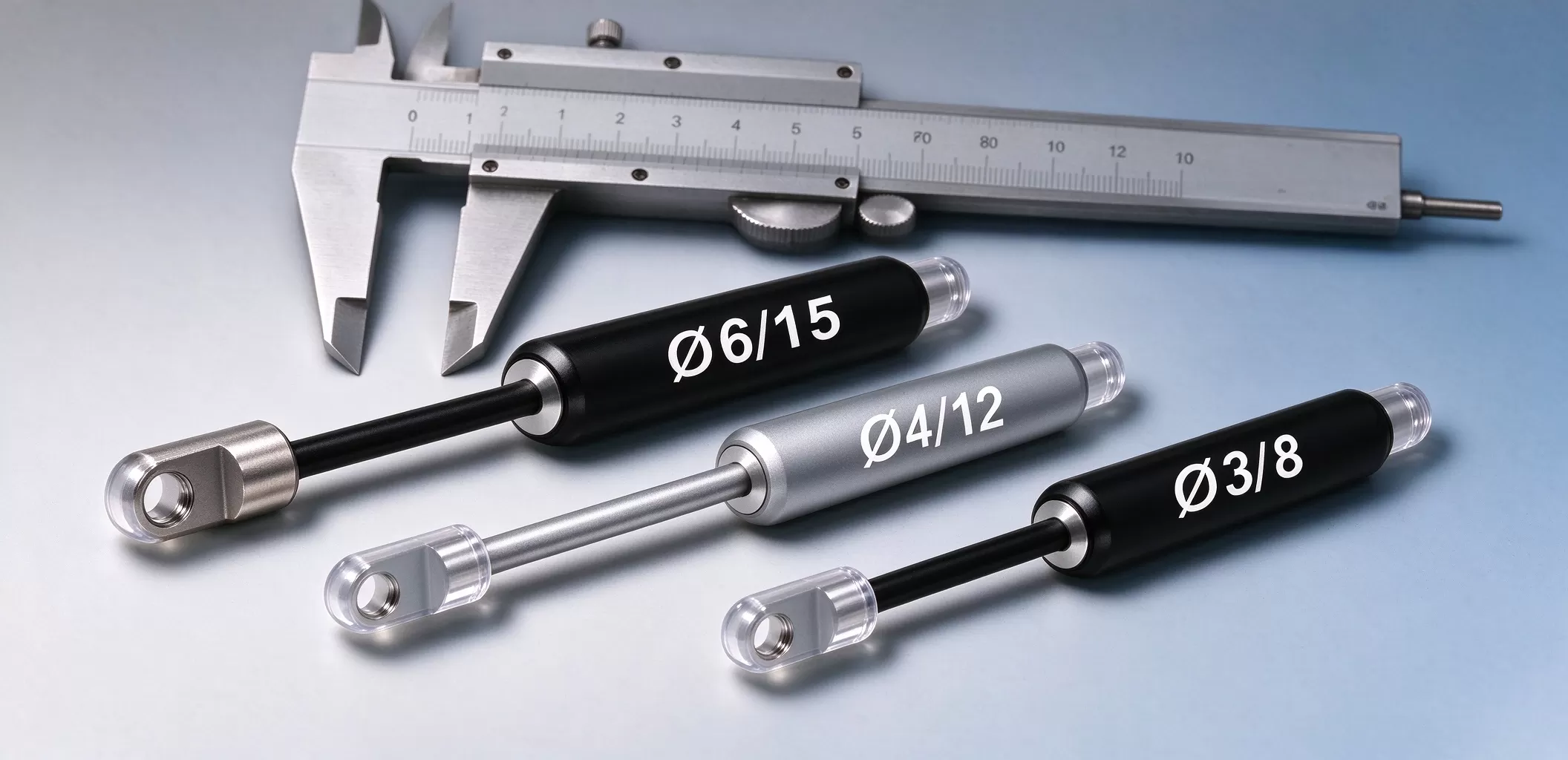
Typical Specifications:
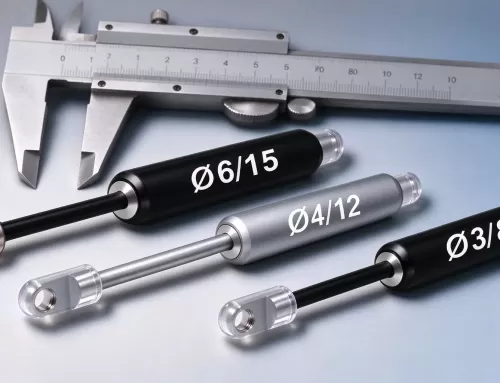
Force: 50N – 2000N
Stroke: 20mm – 500mm
Material: 304 / 316
End fittings: Ball joint, eyelet, clevis
Surface treatment: Polished or passivated
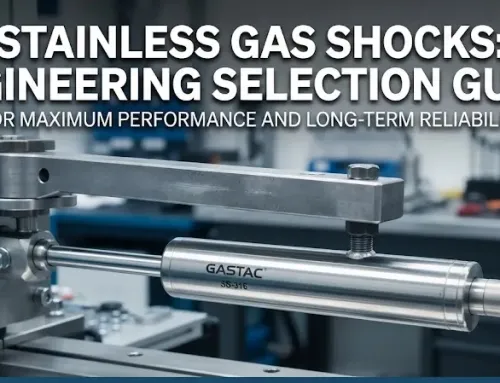
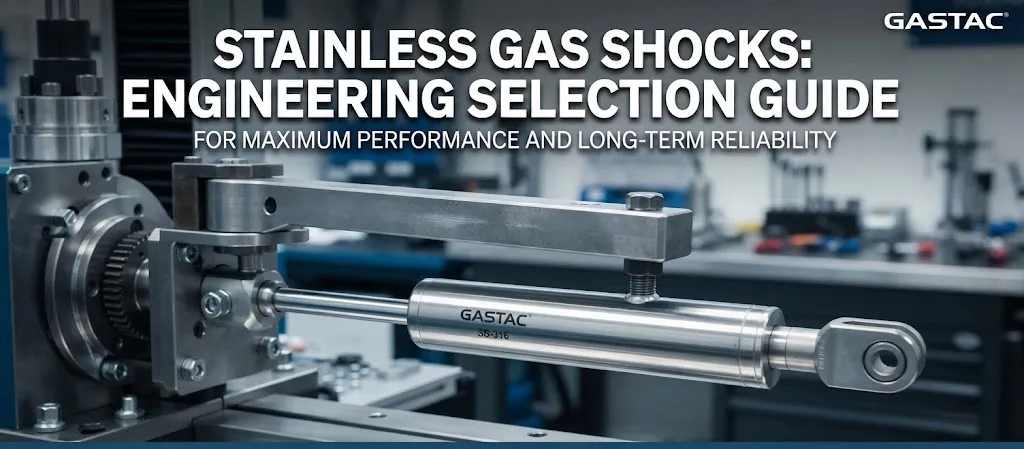
These stainless gas shocks are designed to perform reliably under demanding environmental conditions.
Difference Between Stainless Steel 304 and 316
The main difference between stainless steel 304 and 316 lies in their chemical composition. Stainless steel 316 contains about 2% molybdenum, which significantly improves resistance to pitting, crevice corrosion, and stress corrosion cracking.
This added element also makes 316 less sensitive to chlorides, which is critical in marine or coastal environments. In contrast, stainless steel 304 is more sensitive to chlorides and acids, which may lead to corrosion over time.
Despite this, 304 stainless steel remains an excellent choice for home, garden, and general-purpose applications where corrosion exposure is limited.
Feature
304 Stainless Gas Struts
316 Stainless Gas Struts
Corrosion Resistance
Good
Excellent
Chloride Resistance
Moderate
High
Suitable Environment
Indoor / Mild outdoor
Marine / Chemical / Coastal
Cost
Lower
Higher
Service Life
Standard
Longer
Typical Applications
Furniture, cabinets, general use
Marine, medical, food processing
FAQ
Is 304 or 316 stainless better?
316 stainless is better for corrosion resistance, especially in marine or chemical environments, while 304 is more cost-effective for general use.
Why is 316 more expensive than 304?
316 contains molybdenum, which improves corrosion resistance but increases material cost. It is also widely used in demanding industries, which keeps demand high.
How long will 316 stainless steel last?
316 stainless steel can last over 70 years in proper conditions, especially in marine or chemical environments.
Why Choose Gastac as Your Gas Spring Manufacturer and Supplier
Gastac gas springsare designed and manufactured for reliable performance in demanding environments. As a professional gas spring manufacturer and supplier, we provide stable production and global supply capability.
Direct factory supply with optimized cost structure
Consistent quality with IATF 16949 and ISO 9001:2015 certification
OEM customization for stainless gas struts, stainless gas springs, and stainless gas shocks
Reliable delivery with available stock
Two-year after-sales warranty
Conclusion
Choosing the right stainless gas struts depends on your environment and performance requirements. 304 is suitable for general use, while 316 is ideal for harsh and corrosive conditions.
Gastac provides reliable stainless gas springs and stainless gas shocks with customizable solutions, stable quality, and competitive pricing.
Contact us today to find the right solution for your application.