



Compression gas springs, also known as gas struts, are widely used to provide controlled lifting, support, and damping in a variety of applications. Whether you’re sourcing for industrial equipment or replacing a compression gas strut in automotive or furniture systems, choosing the right specification is critical for performance and safety.
Many users come to this page when facing issues like a gas strut won’t compress properly. In most cases, this is not a defect, but a result of incorrect force selection or installation direction. This guide will help you understand, select, and source the right gas springs efficiently.
Why won’t my new gas strut compress?
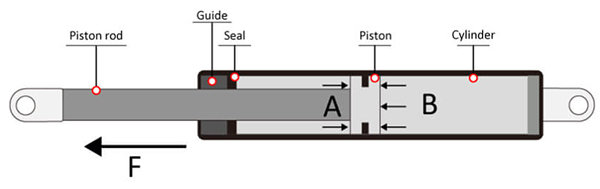
A gas strut that won’t compress by hand is usually working as designed. Compression gas struts are pre-filled with high-pressure gas (typically nitrogen) to provide lifting and holding force for heavy objects. Because of this pressure, manually pushing the strut is often difficult or impossible, especially when it’s not installed under its intended load. Forcing it can damage the strut. Common Reasons a Gas Strut Won’t Compress:
- High Internal Pressure – The strut’s internal gas is pressurized to lift the designated load.
- Incorrect Installation Orientation – Struts work best with the cylinder (body) facing downward.
- Safety Features – Some struts have built-in locking or slow-motion mechanisms.
- Temperature Effects – Cold environments make the gas denser, increasing resistance.
What Are Compression Gas Springs?
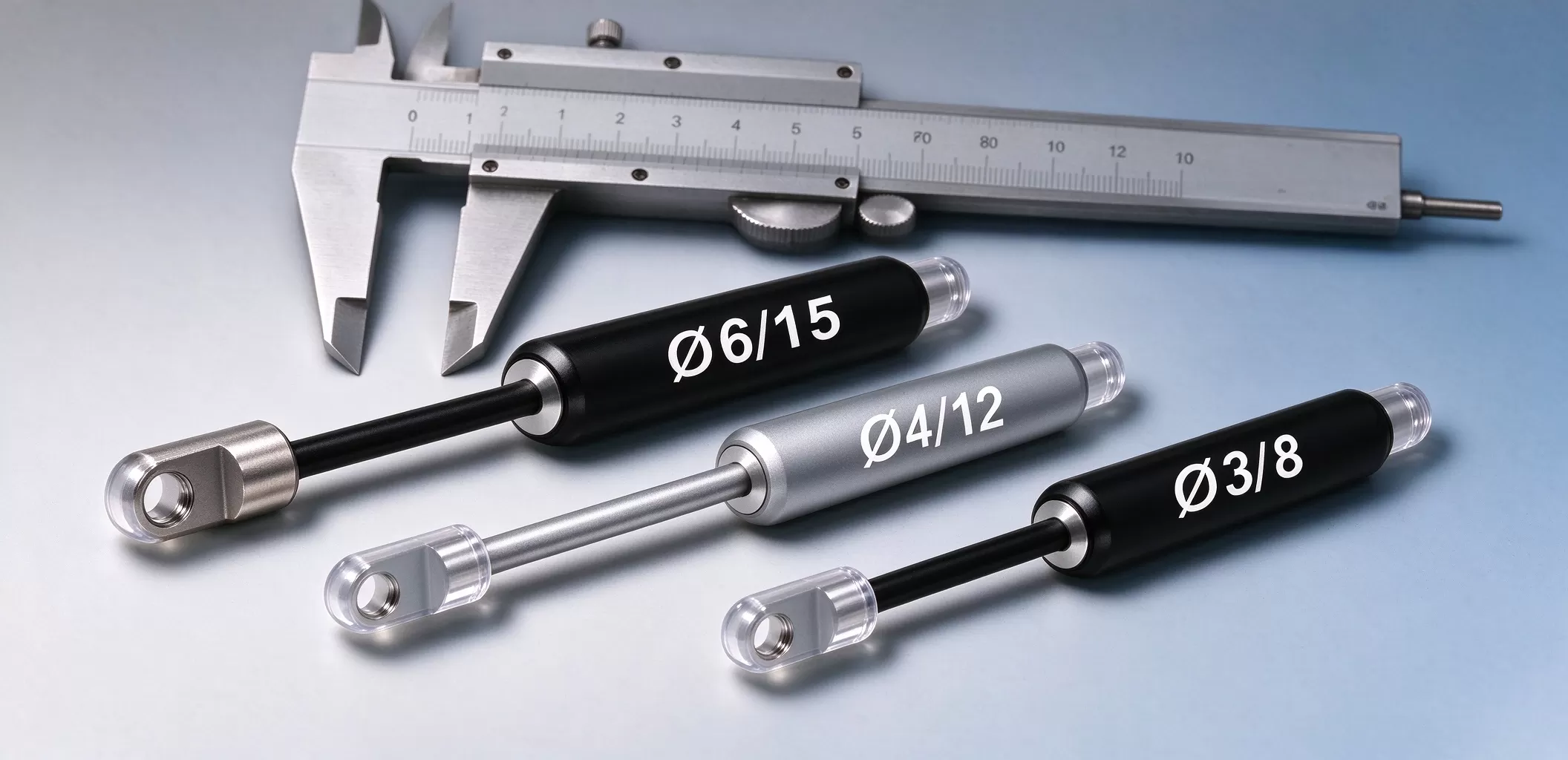
Compression gas springs (also called compression gas struts) are mechanical devices that use pressurized gas inside a sealed cylinder to generate force in a pushing (extending) direction. They are designed to support, lift, lower, or hold loads in a controlled and smooth manner.

Why Your Gas Strut Won’t Compress and How to Handle It
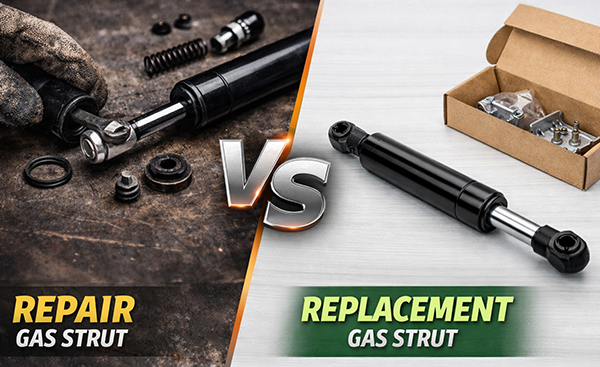
When a gas strut won’t compress, it’s usually due to the high internal gas pressure designed to provide smooth lifting and holding. While gas struts can theoretically be repaired, in practice, attempting to service or recharge them can be risky, complex, and expensive. For most users, the safest and most reliable solution is to replace the strut with a new one.

Compression vs Tension Gas Springs: What’s the Difference?
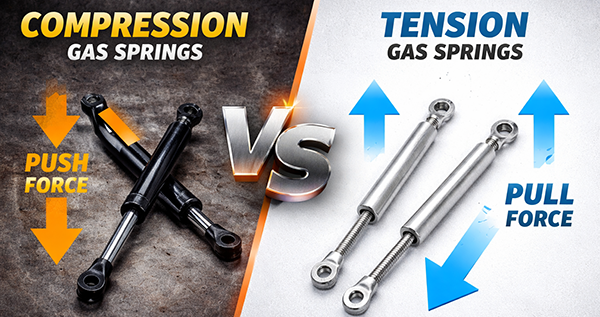
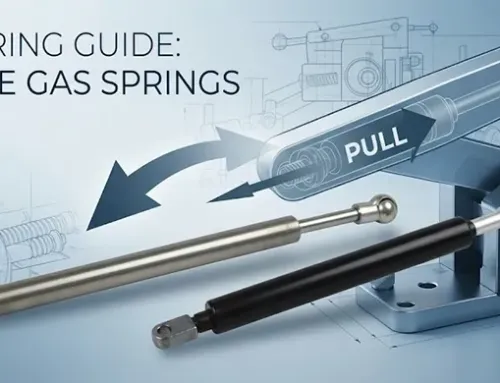
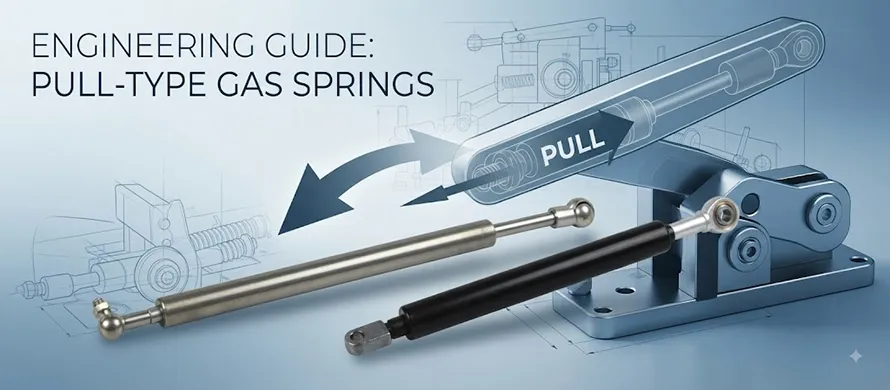
The key difference between compression gas springs and tension gas springs is the direction of force and how they operate in applications. One pushes outward for lifting, while the other pulls inward for controlled closing.
| Feature | Compression Gas Springs | Tension Gas Springs |
|---|---|---|
| Force Direction | Push outward | Pull inward |
| Function | Lifting / supporting | Pulling / closing |
| Default State | Compressed | Extended |
| Common Applications | Car hoods, cabinet doors, RV windows | Doors, hidden panels, industrial enclosures |
| Motion Control | Smooth, controlled extension | Controlled retraction |

Compression Gas Spring Applications
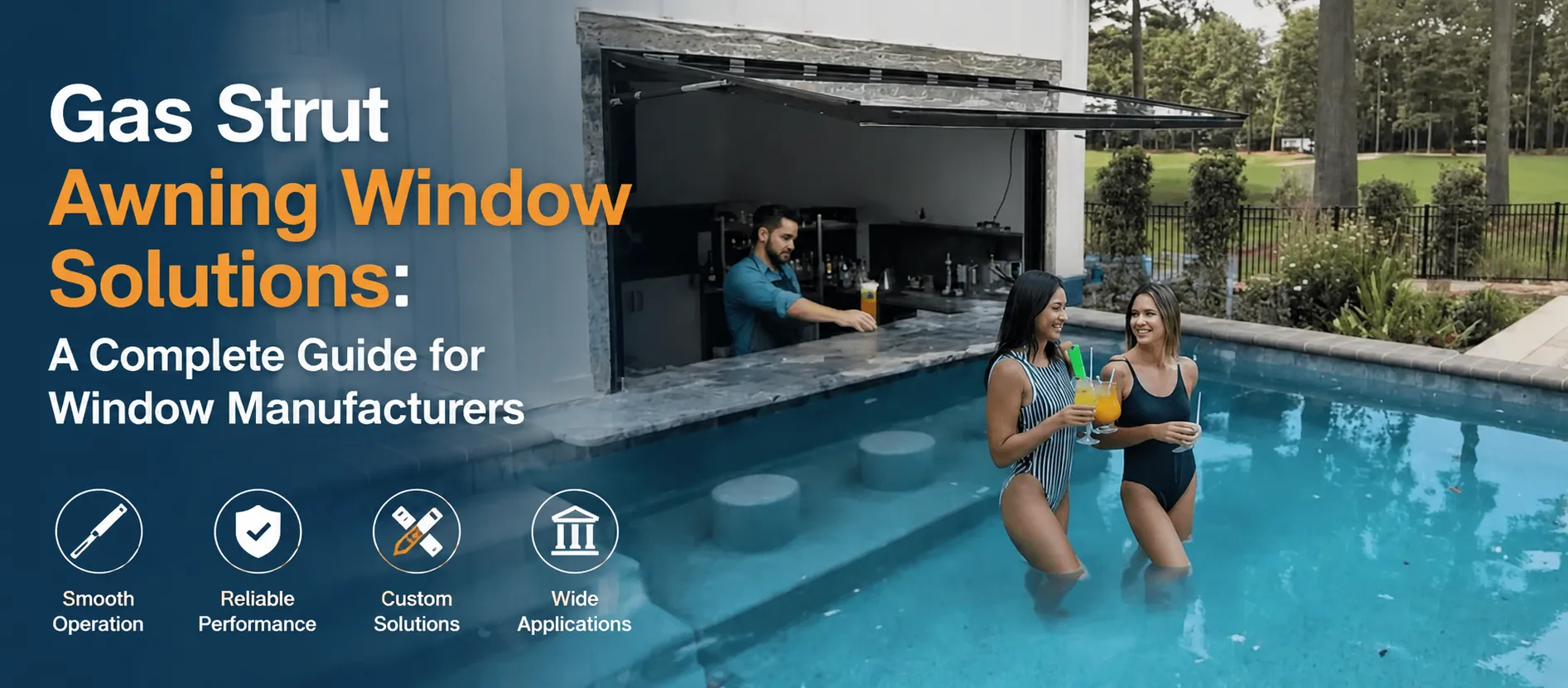
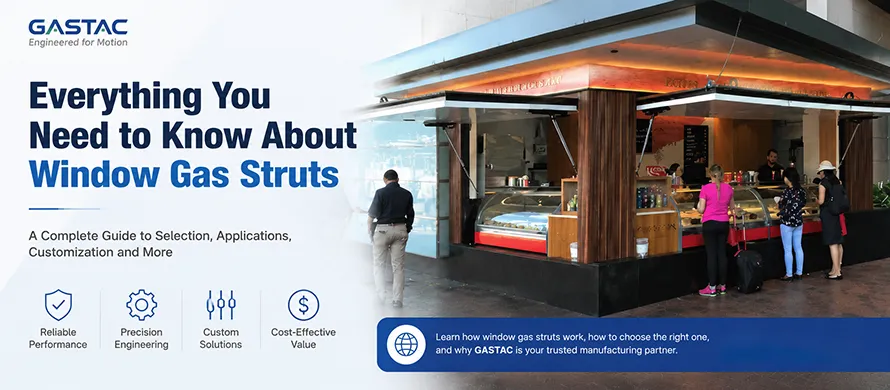
Compression gas springs are designed to push outward, providing controlled lifting and support for heavy objects. They make opening, holding, and lowering hoods, lids, and panels smooth, safe, and effortless, preventing sudden drops and reducing strain on users. These gas springs are widely used across automotive, industrial, and furniture applications where precision and reliability are critical.

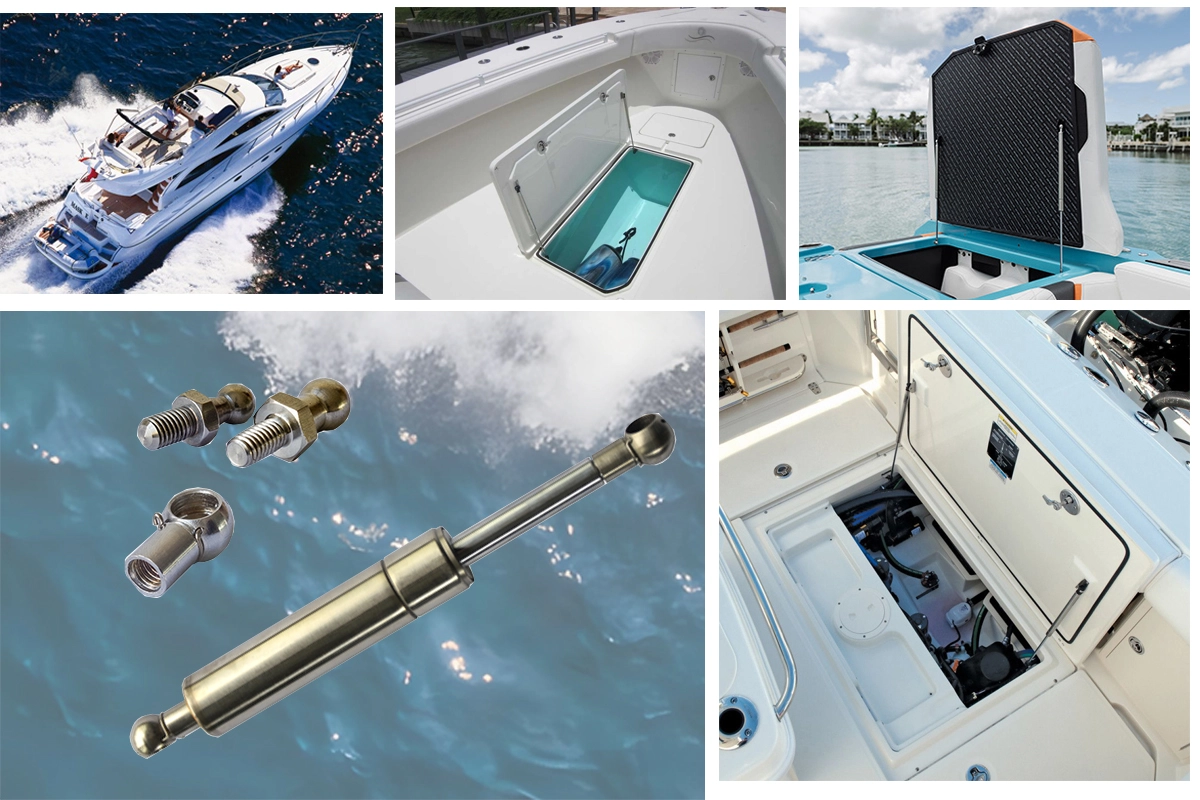
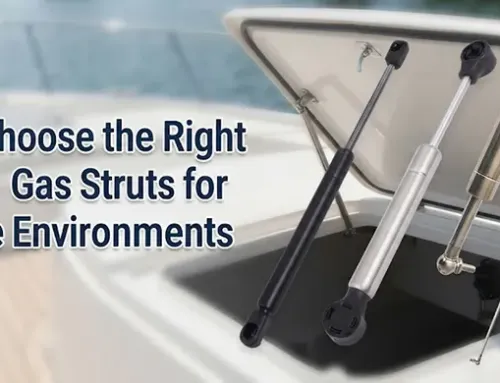
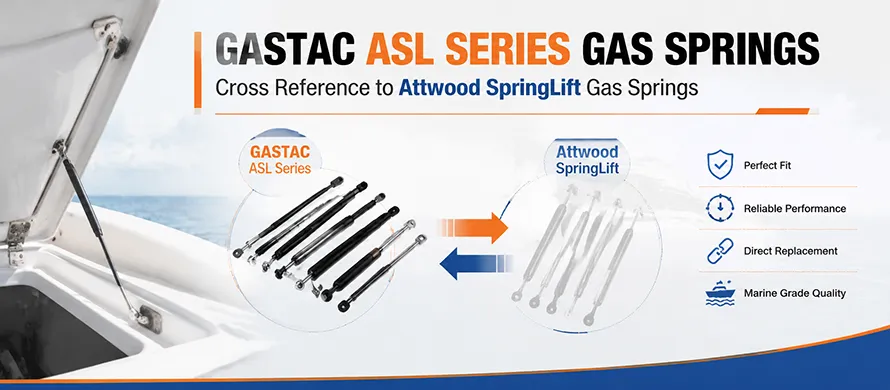
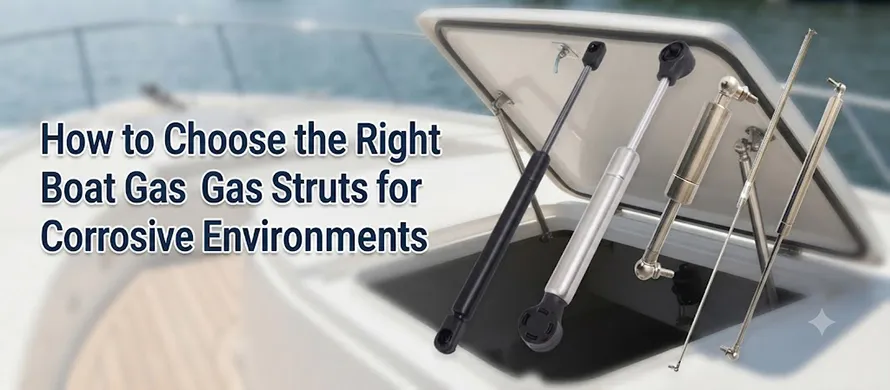
Boat Hatches

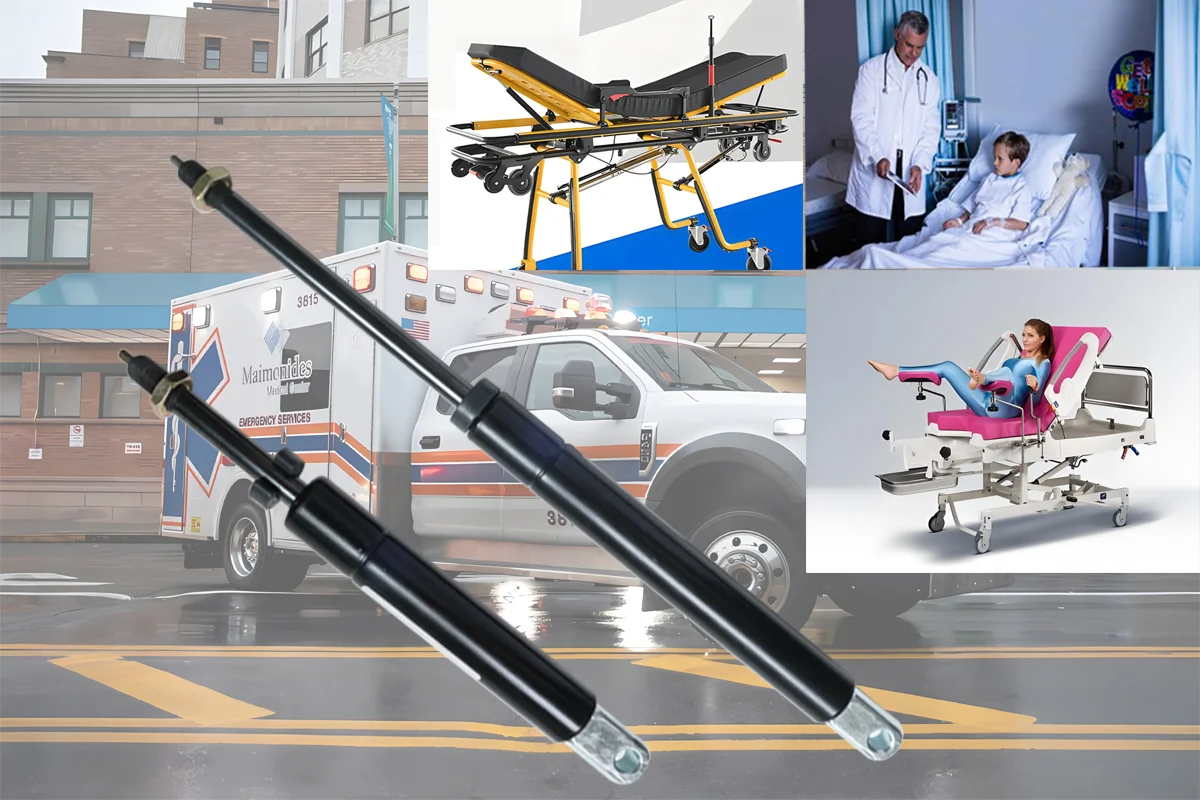
Medical Beds

Furniture Beds

Automotive Bodies

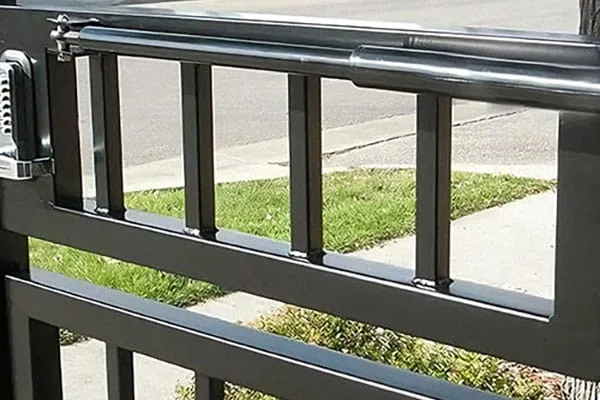
Gate Closers

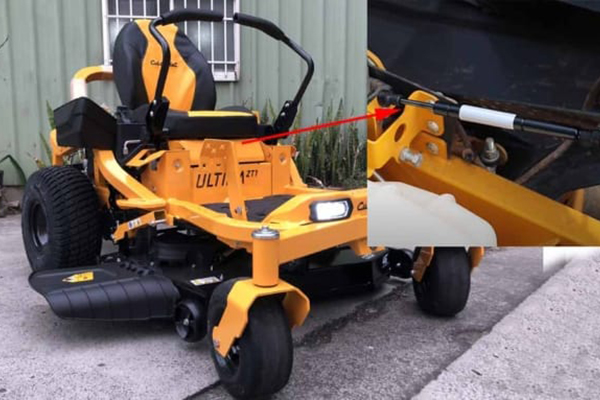
Lawn Mower Steerings
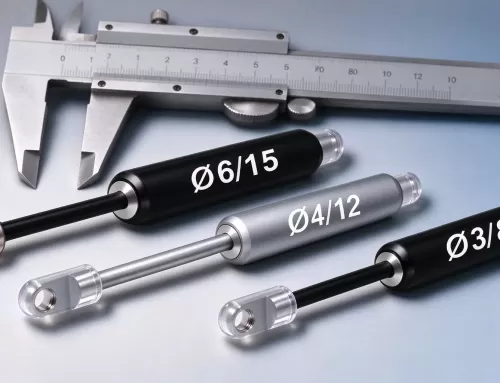
Compression Gas Struts Categories
GASTAC offers a wide range of high-quality gas springs designed for different applications. Whether you need smooth lifting, controlled lowering, or precise motion control, there’s a gas spring solution for almost every mechanical requirement. Our products are engineered for durability, consistent performance, and safety across industries.
| Category | Description | Typical Applications |
|---|---|---|
| Standard Compression Gas Springs | Push outward to lift or support heavy loads | Car hoods, cabinet doors, RV windows, industrial covers |
| Lockable Gas Springs | Can hold position at any angle | Adjustable chairs, hatches, medical equipment |
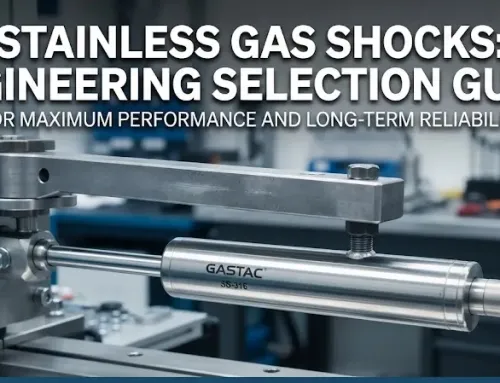
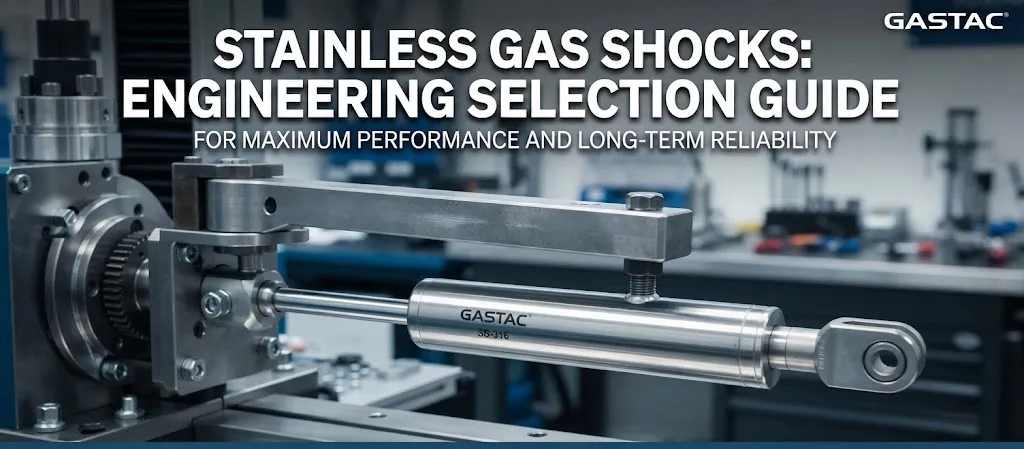
| Stainless Steel Gas Struts | Durable, corrosion-resistant gas struts | Outdoor cabinets, marine windows, harsh environments |
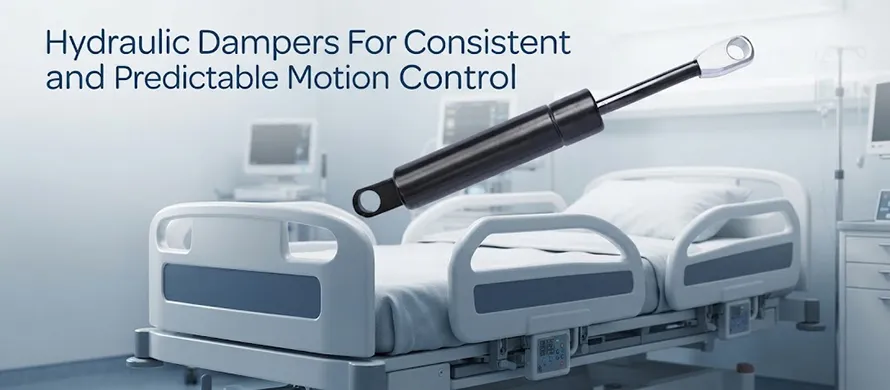
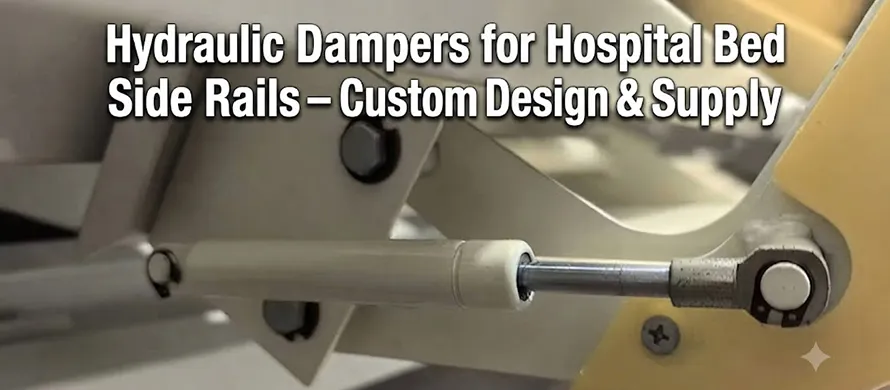
| Hydraulic Dampers | Provide controlled motion using hydraulic fluid | Hospital bed side rails, utility trailers |
Why Choose GASTAC Gas Spring Manufacturers?
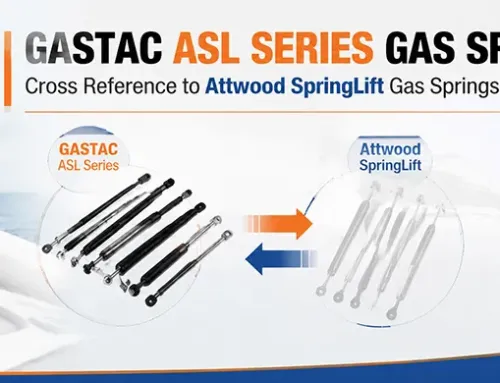
GASTAC provides a full range of compression gas springs designed to match the performance of leading brands while offering more competitive pricing.Compared with brands like Stabilus, Suspa, and Bansbach:
- Equivalent quality and durability
- Faster production lead times
- Support for OEM and custom designs
- Flexible MOQ for small batch buyers
Whether you need to replace a faulty unit or solve problems like a new gas strut won’t compress, our engineering team can help you select the correct force and configuration.
张航
Stay in the loop