











When gas struts start failing, many users search for regassing gas struts to restore performance without replacing the unit. But is this really the best solution? In this guide, we’ll explain how gas strut regassing works, when it’s possible, and when replacing is actually the smarter choice.
What Is Regassing Gas Struts?
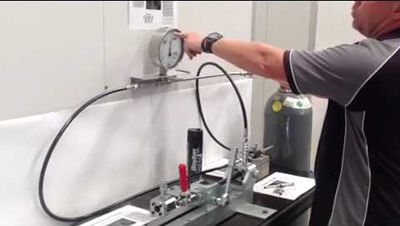
Regassing gas struts is the process of refilling nitrogen gas inside a gas spring to restore its original pressure and lifting force. It involves controlled gas injection using specialized equipment to ensure accurate pressure levels and stable performance.
Reasons for Regassing Gas Struts
Gas struts can fail over time, typically showing reduced lifting force or uneven motion. Common causes include nitrogen gas leakage, worn seals, exposure to extreme temperatures, or mechanical damage. When a gas strut no longer performs as intended, customers often look to regassing gas struts as a solution to restore internal pressure, recover proper functionality, and extend the service life without full replacement.
How Gas Strut Regassing Works?
Once a gas strut shows reduced lifting force or uneven motion, restoring it through regassing can bring it back to proper functionality. The gas strut regassing process typically involves:
- Accessing the internal chamber (if serviceable)
- Injecting nitrogen gas under controlled pressure
- Recalibrating the force output
After servicing, the unit becomes gas struts regassed, meaning it has been recharged and reused. However, this process requires specialized tools and is not DIY-friendly.
Can All Gas Struts Be Regassed?
In theory, gas struts can be regassed to restore performance, but in reality most cannot. Regassing is only possible under certain conditions, such as when the strut is designed with a refill valve, belongs to an industrial or high-end model, or the manufacturer explicitly supports servicing.
On the other hand, for various low-cost, standard-type gas struts, refilling is typically not applicable.
This is why many searches for regassing gas struts ultimately shift toward replacement solutions.
Regassing vs Replacing Gas Struts
When gas struts lose performance, customers often face a choice between regassing and full replacement. While regassing can restore function for certain industrial or serviceable models, it is not feasible for most standard automotive or low-cost struts. Understanding the pros and cons of each option helps users make informed decisions.
| Option | Advantages | Disadvantages |
|---|---|---|
| Regassing | Cost effective for serviceable struts Restores original performance Environmentally friendly | Requires specialized tools Not suitable for sealed or low-cost struts Limited availability |
| Replacing | Reliable and guaranteed performance Compatible with all strut types Easy to implement | Higher cost Generates waste May require matching exact specifications |
Regassing vs Replacing Gas Struts
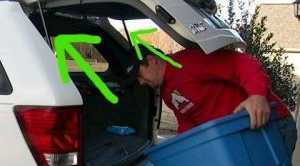
Boot struts in cars are a common example where gas struts lose pressure over time, causing the trunk or tailgate to feel heavy or fail to stay open.
Regassing boot struts can restore lifting force and smooth operation for serviceable models. However, most automotive boot struts are sealed and designed for replacement, which is why many searches for regassing gas struts in cars ultimately shift toward replacement solutions.
How to Choose Replacement Instead of Regassing?
Not all gas struts can be regassed, especially sealed or low-cost models. In such cases, proper replacement is necessary to restore performance and ensure safe operation. Key parameters to consider when selecting a replacement include:
- Force (Newton)
- Length (extended and compressed)
- End fittings
Many users start by exploring gas strut regassing but ultimately need to choose the right replacement to maintain reliability and functionality.
Better Alternative to Regassing Gas Struts
Instead of relying on gas struts regassed services, working with a professional manufacturer gives you:
- Exact force matching
- Custom sizes
- Longer lifespan
- Stable performance
Gas Spring Brand Recommendations
When choosing a reliable gas strut or gas spring brand, quality, consistency, and global support matter—especially if you end up replacing rather than regassing gas struts. To help you research options, you can refer to this comprehensive industry list of top gas strut manufacturers on Gastac’s site: Top 10 Gas Strut Manufacturers to Consider in 2026
| Brand | Advantages | Typical Uses |
|---|---|---|
| GASTAC | Cost‑effective and customizable gas struts | Automotive industrial medical |
| Suspa | Premium engineering and durability | Automotive furniture motion control |
| Industrial Gas Springs | Wide inventory and quick replacement | Repair supply industrial |
| Camloc | High‑performance heavy‑duty struts | Aerospace industrial machinery |
| SGS Engineering | Affordable and accessible solutions | Automotive furniture light‑duty |
| Stabilus | Global leader with reliable products | Automotive industrial furniture |
| Bansbach Easylift | German precision and customization | Industrial medical commercial |
| ACE Controls | Industrial motion control gas struts | Automation machinery heavy‑duty |
| StrutsDepot | Large catalogue and quick matching | Automotive RV industrial |
| Gemini Gas Springs | Flexible custom solutions | Bespoke industrial automotive |
FAQ – Regassing Gas Struts
Regassing gas struts can help restore the lifting force and performance of serviceable struts, but it is not suitable for all models. The following frequently asked questions cover common concerns, safety tips, and alternatives to help users understand when and how regassing is applicable.
Q1: What does regassing gas struts mean?
A1: Regassing gas struts involves refilling the internal nitrogen gas to restore the original lifting force and performance of the strut.
Q2: Can all gas struts be regassed?
A2: No, only serviceable or industrial models with a refill valve can be regassed. Most automotive and low-cost furniture gas struts are sealed and require replacement.
Q3: Is regassing a DIY process?
A3: ❌ Not recommended. Regassing requires specialized tools, precise pressure control, and safety precautions. Improper handling can be dangerous.
Q4: How long does a regassed strut last?
A4: The lifespan depends on usage, design, and quality. High-quality industrial struts may last several years, while regassed low-end struts may fail sooner.
Q5: When should I consider replacement instead of regassing?
A5: If the gas strut is sealed, damaged, or low-cost, replacement is the safer and more reliable solution to restore performance.
Q6: What are common applications for regassing?
A6: Serviceable gas struts in automotive hoods, boot/trunk struts, industrial machinery, and certain furniture systems can often be regassed.
Q7: Where can I find reputable gas strut brands?
A7: You can refer to the Top 10 Gas Strut Manufacturers for trusted suppliers like GASTAC, Suspa, Stabilus, and Bansbach Easylift.
张航
Stay in the loop