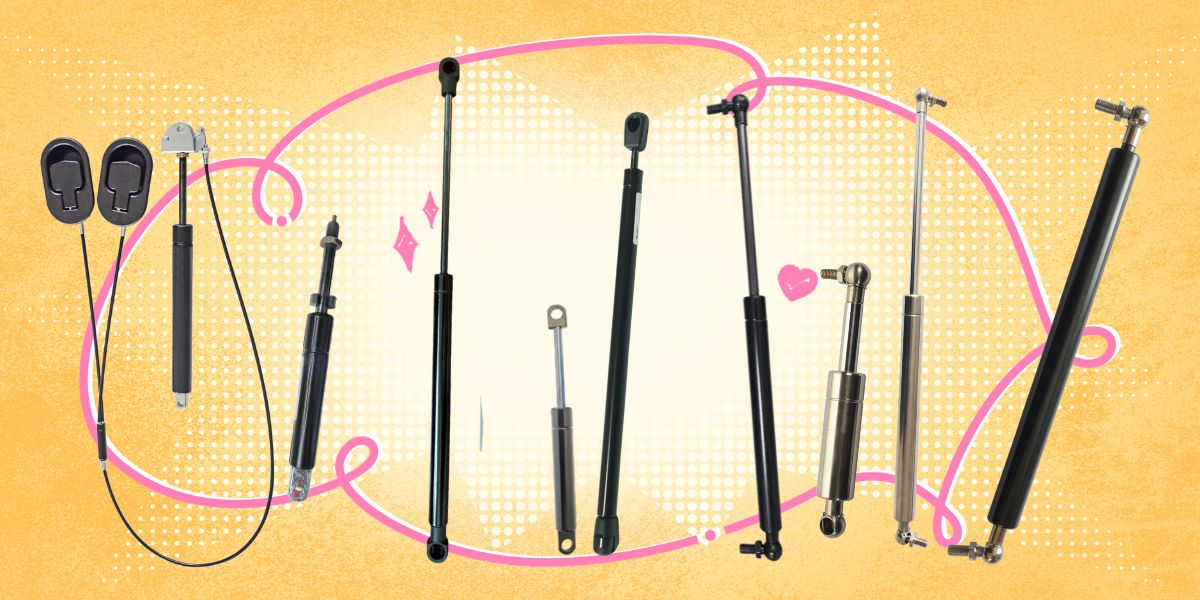
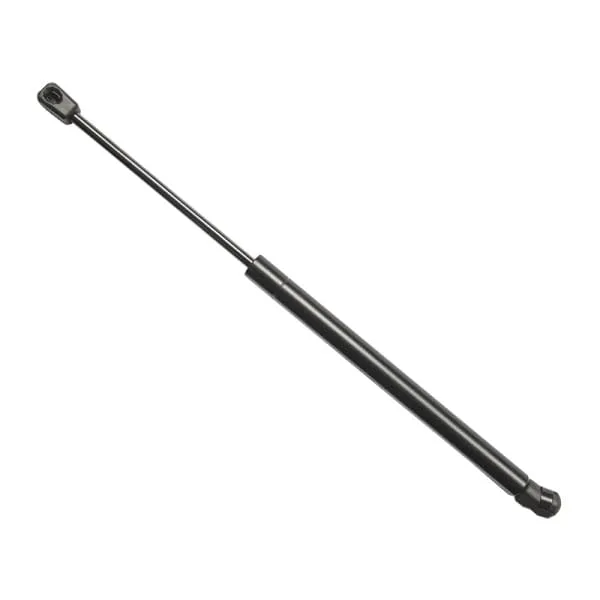
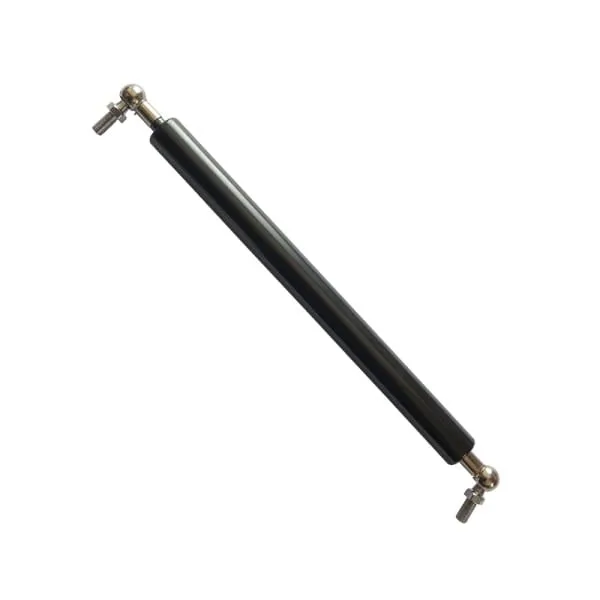
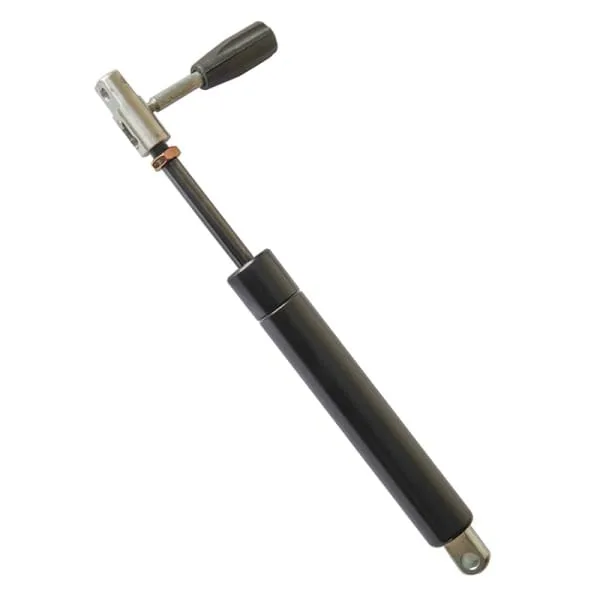
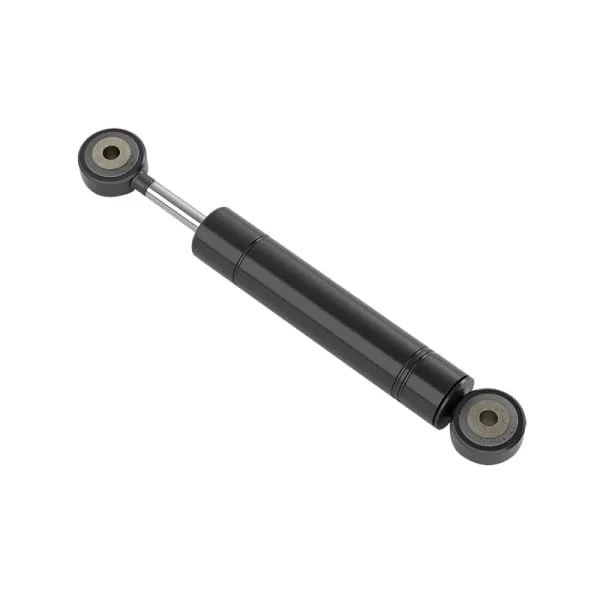
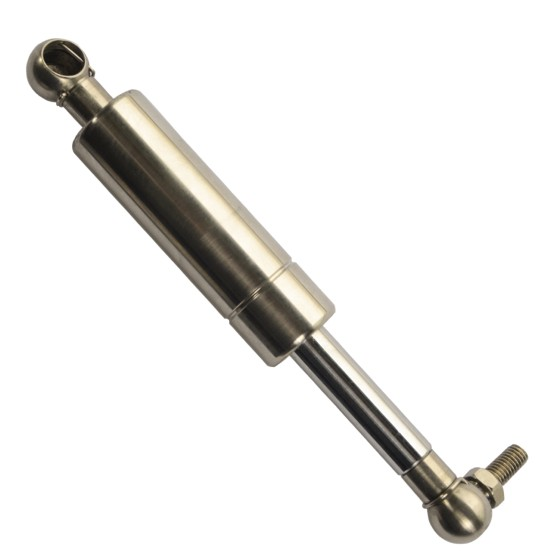
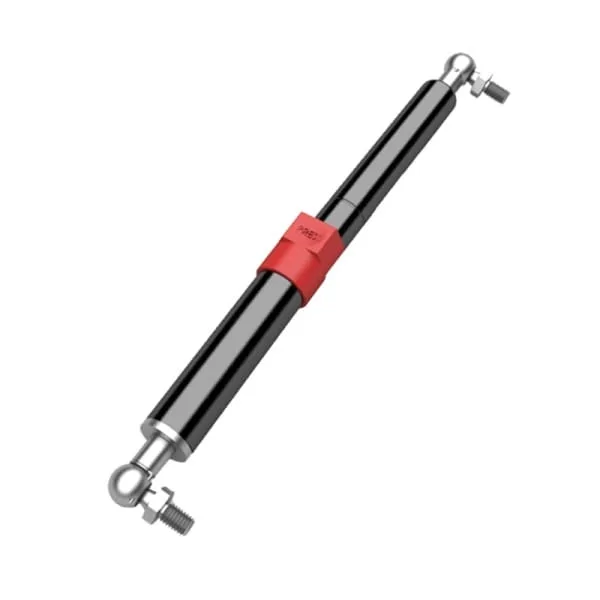
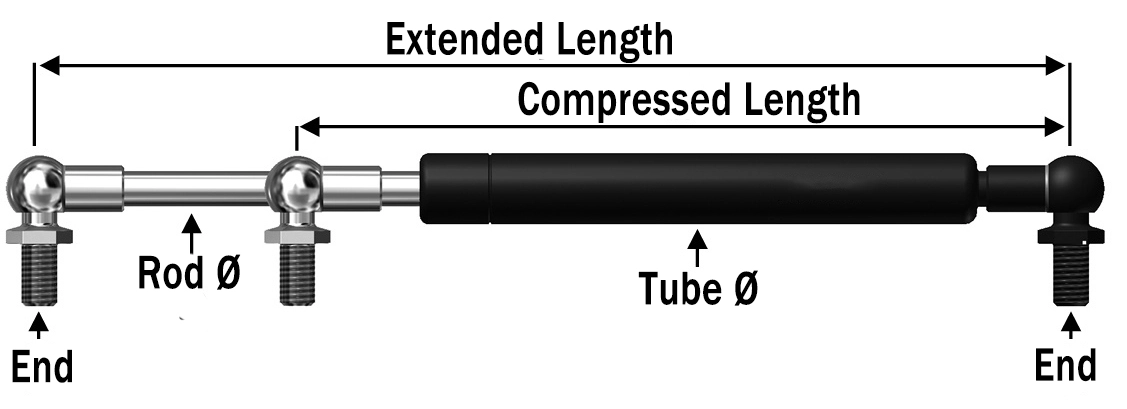



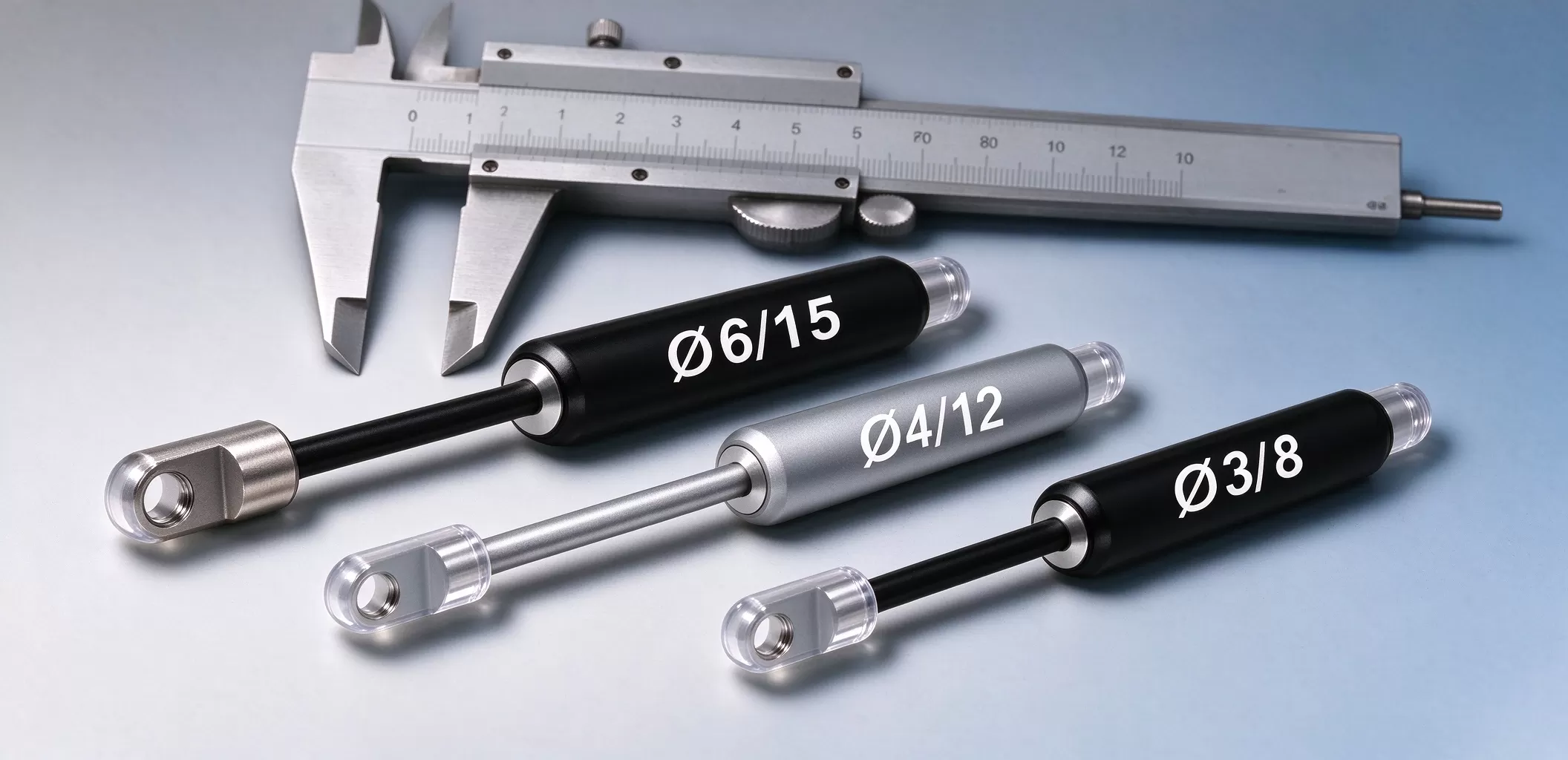
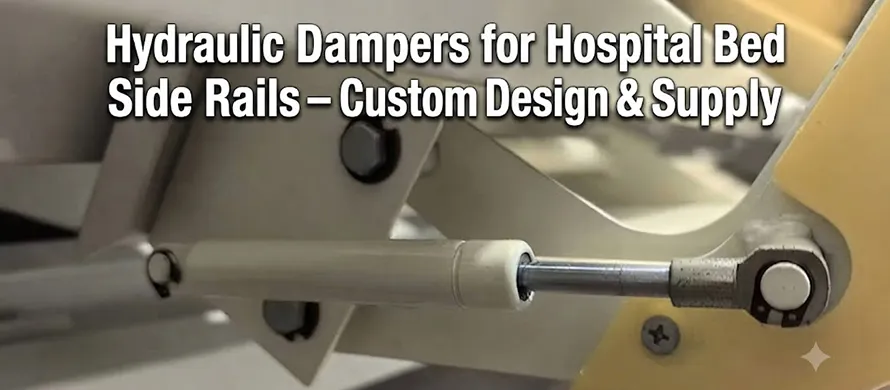
Gas struts, also known as gas springs or support rods, are widely used in automotive, furniture, and industrial applications. They provide controlled motion, assist lifting, and improve safety in everyday operations.
However, not all gas struts are the same. Understanding the different types of gas strut is essential to ensure proper performance, durability, and user safety. Choosing the wrong type can lead to poor functionality or even equipment failure.
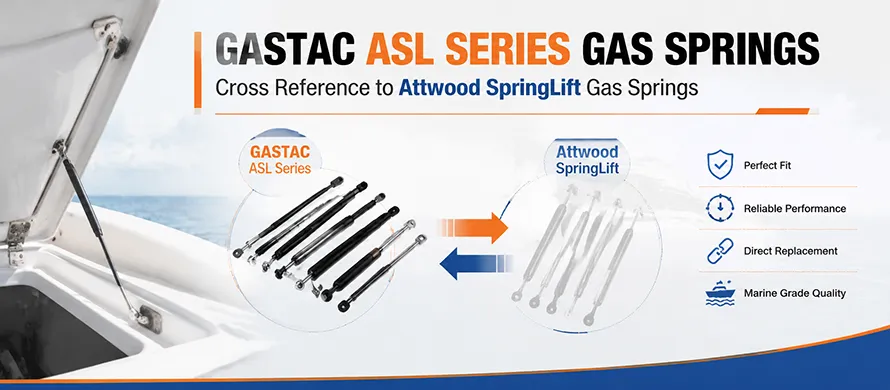
As a professional manufacturer, GASTAC gas spring offers a full range of gas struts designed for various applications, helping customers find the right solution with ease.
Types of Gas Strut by Function and Operation
Gas struts can be classified based on how they function and operate in different applications. Each type is designed to perform a specific role, such as lifting, holding, positioning, or controlling motion speed.
Understanding this classification helps users choose the right gas strut for their needs. Based on function and operation, gas struts are mainly divided into the following types:
Compression Gas Struts
Compression gas struts are the most common type. They work by providing outward force to assist lifting or support loads.
These are widely used in:
-
Car trunks and hoods
-
Toolboxes and storage lids
-
Cabinet doors
They are cost-effective, reliable, and suitable for most standard applications.
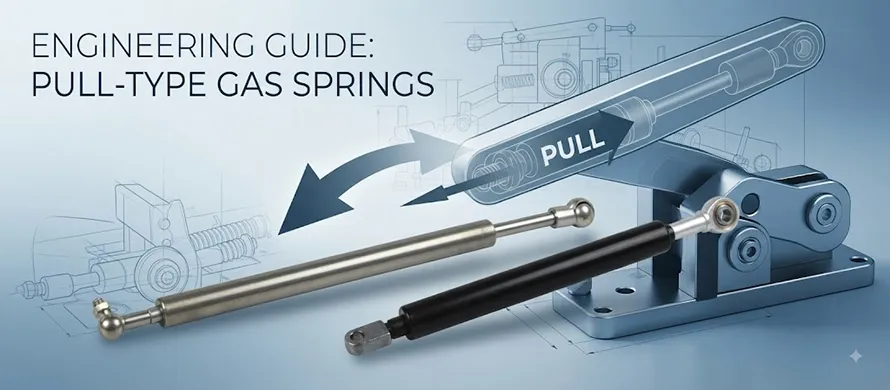
Tension (Traction) Gas Struts
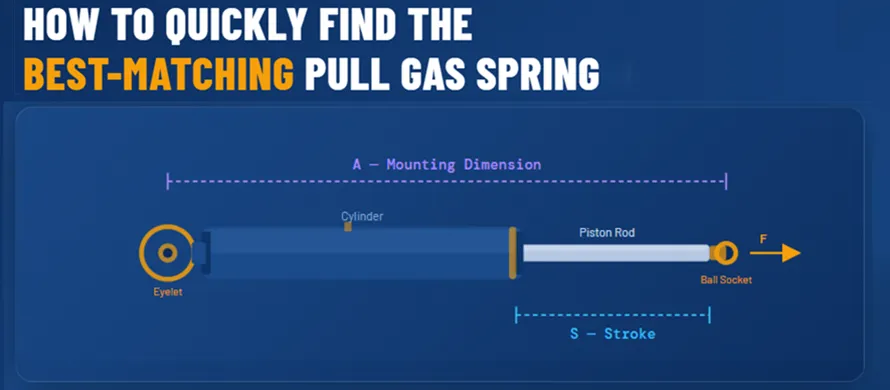
Unlike compression types, tension gas struts provide pulling force. They are extended at rest and retract when force is applied.
Typical applications include:
-
Folding ladders
-
Downward-opening doors
-
Specialized mechanical systems
They are ideal where a pulling motion is required rather than lifting.
Locking Gas Struts
Locking gas struts allow users to stop and hold the piston rod at any position.
They are divided into:
-
Elastic locking: allows slight movement after locking
-
Rigid locking: completely fixed in position
Common applications:
-
Office chairs
-
Medical equipment
-
Adjustable furniture
These struts provide precise control and flexibility.
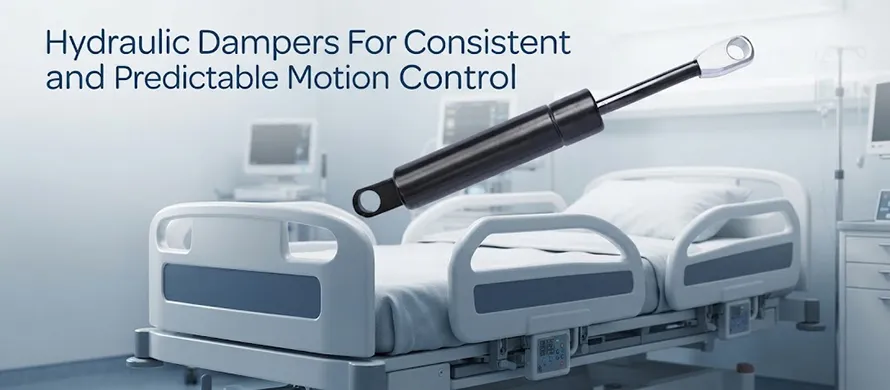
Hydraulic Dampers
Dampers are designed to control speed instead of providing lifting force. They ensure smooth and safe motion by reducing impact.
They are commonly used in:
-
Soft-close doors
-
Industrial machinery
-
Protective covers
Dampers improve safety and user experience by preventing sudden movements.
Types of Gas Strut by Force Adjustment
Gas struts can also be classified based on whether their force can be adjusted. Some are designed with a fixed force, while others allow customization or fine-tuning to meet specific application requirements.
Understanding this difference helps ensure the gas strut provides the right level of support and performance. Based on force adjustment, gas struts are mainly divided into the following types:
Fixed Force Gas Struts
These gas struts are pre-set with a specific force (measured in Newtons) during manufacturing.
They are ideal for:
-
Mass production
-
Applications with stable load requirements
They offer consistent performance and lower cost.
Adjustable Gas Struts (Vari-Lift)
Adjustable gas struts allow users to fine-tune the force by releasing gas through a valve.
Best suited for:
-
Prototype development
-
Applications with uncertain weight
They provide flexibility and are highly practical for custom projects.
Types of Gas Strut by Material and Environment
Gas struts are also classified based on the materials used and the environments they are designed for. Different materials affect durability, corrosion resistance, and suitability for specific conditions, such as indoor, outdoor, or marine applications.
Knowing the material and environmental classification helps ensure the gas strut lasts longer and performs reliably. Based on this, gas struts are mainly divided into the following types:
Standard Steel Gas Struts
Made from high-strength carbon steel with protective coatings, these are the most economical option. They are suitable for general indoor and outdoor applications where corrosion is not a major concern.
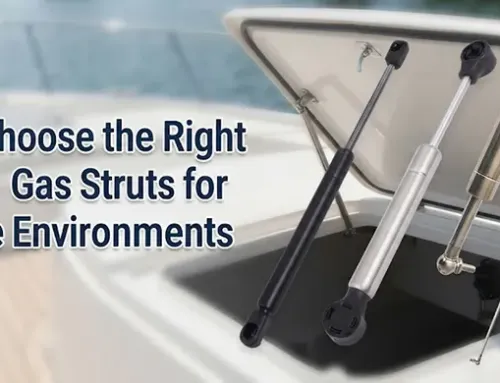
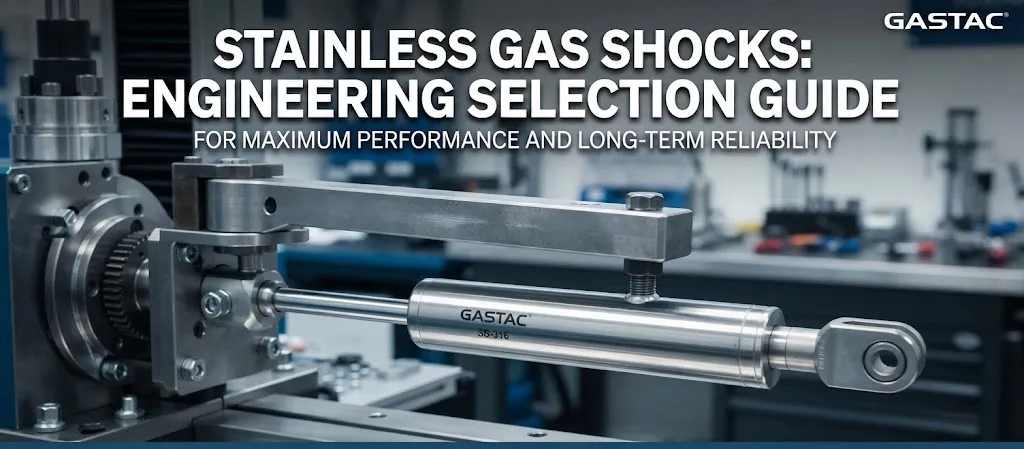
Stainless Steel Gas Struts
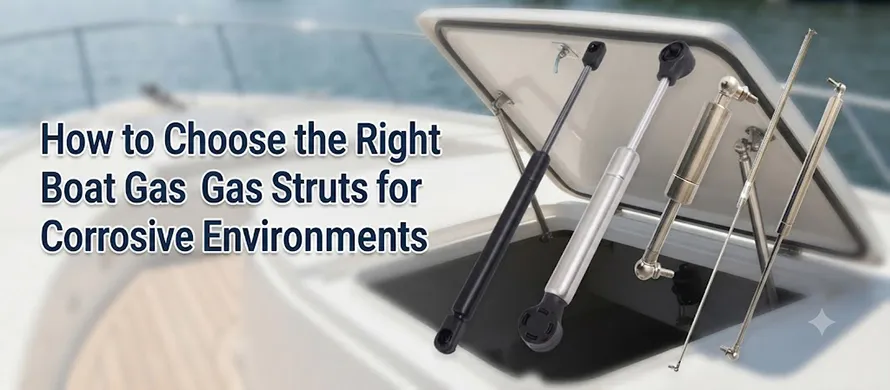
Typically made from 316L stainless steel, these offer excellent corrosion resistance.
Ideal for:
-
Marine environments
-
Food processing
-
Medical and pharmaceutical industries
They ensure long service life in harsh conditions.
Special Safety Gas Strut Types
Some gas struts are specifically designed with safety features to prevent accidents or damage. These “special safety” types may include lockable mechanisms, controlled damping, or overload protection to ensure safe operation in critical applications.
Understanding these safety-focused struts helps users select the right model for high-risk or precision-required environments. The main types of special safety gas struts include:
Gas Springs with Lock
These feature a protective shroud that automatically locks when fully extended, preventing accidental collapse.
Commonly used in:
-
Truck canopies
-
Agricultural equipment
They provide an extra layer of safety, especially in heavy-duty applications.
How to Choose the Right Types of Gas Strut
Choosing the right gas strut depends on your specific application and requirements. Consider factors such as function, force, material, environment, and any safety features needed. Matching these factors to the right type ensures optimal performance, durability, and ease of use.
- Force (N): Determines lifting or pulling capacity
- Stroke Length: The distance the rod travels
- Installation Environment: Exposure to moisture, corrosion, or extreme conditions
For example, a toolbox lid may require a fixed-force compression strut, while a marine hatch would need a stainless steel version.
If you are unsure about the correct specifications, working with an experienced manufacturer like GASTAC can help ensure accurate selection and optimal performance.
Why Choose GASTAC Gas Struts?
GASTAC provides a comprehensive range of gas struts tailored to various industries and applications. Key advantages include:
- Full coverage of all types of gas strut
- Custom solutions (force, stroke, material)
- Competitive pricing with high quality
- Reliable performance across automotive, industrial, and furniture sectors
Whether for standard use or specialized projects, GASTAC offers dependable and cost-effective solutions.
Final Thoughts on Types of Gas Strut
Understanding the different types of gas strut is crucial for choosing the right product for your application. Each type serves a specific function, and selecting the correct one ensures safety, efficiency, and long-term reliability.
If you need help selecting or customizing gas struts, GASTAC is ready to support your project with expert advice and high-quality products.
张航
Stay in the loop