













Bestop Gas Spring Pressure & Force

Gas springs play a critical role in ensuring smooth and controlled motion in many industries. GASTAC gas springs are widely used in marine equipment, medical devices, furniture, and office systems. Selecting the proper gas spring pressure—sometimes referred to as gas spring force—helps ensure safe operation and long-term performance.

What Is Gas Spring Pressure?

Gas spring pressure refers to the internal force created by compressed gas inside the cylinder. This pressure produces the lifting capability that supports a lid, hatch, or panel during operation. The force is typically measured in Newtons. In technical descriptions, it may also appear as gas spring force or gas strut force. Regardless of the wording, the pressure level determines how easily equipment opens and how securely it stays in position.

Why Gas Spring Pressure Matters?

Correct gas spring pressure is essential for safe and smooth movement. If the pressure is too low, the lid may not stay open or may close unexpectedly. If it is too high, closing the lid may require excessive effort. Properly balanced pressure allows controlled motion throughout the opening and closing process. Engineers also evaluate gas strut pressure to maintain stable performance and reduce stress on hinges and mounting hardware.

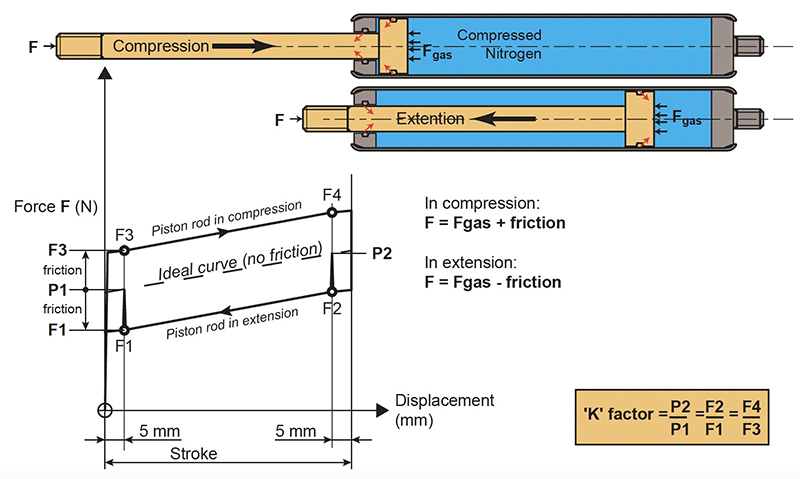
Gas Spring Force Curve Explained

A gas spring force curve shows how the lifting force of a gas spring changes during its stroke. The curve helps engineers and users understand how pressure and force vary from fully compressed to fully extended positions. By analyzing the force curve, you can select a gas spring pressure that provides smooth, consistent lifting throughout the motion. Properly evaluating the gas spring force curve ensures safety, reduces strain on hinges, and improves operational reliability in applications such as hatches, lids, and equipment panels.

gas spring pressure

Wide Applications of Gas Springs

Gas springs are used in many industries because they provide smooth lifting and controlled movement. They are commonly found in automotive hoods, truck tool boxes, RV doors, camper windows, furniture cabinets, and industrial equipment covers. With different force options and sizes available, gas springs can support a wide range of practical applications.

car boot lid gas struts
Automotive Applications
rv awning gas strut replacement 1
RV & Camper Applications
Furniture Applications
locking gas spring 1 600x400 1
Medical Equipment
Stainless Steel Gas Struts
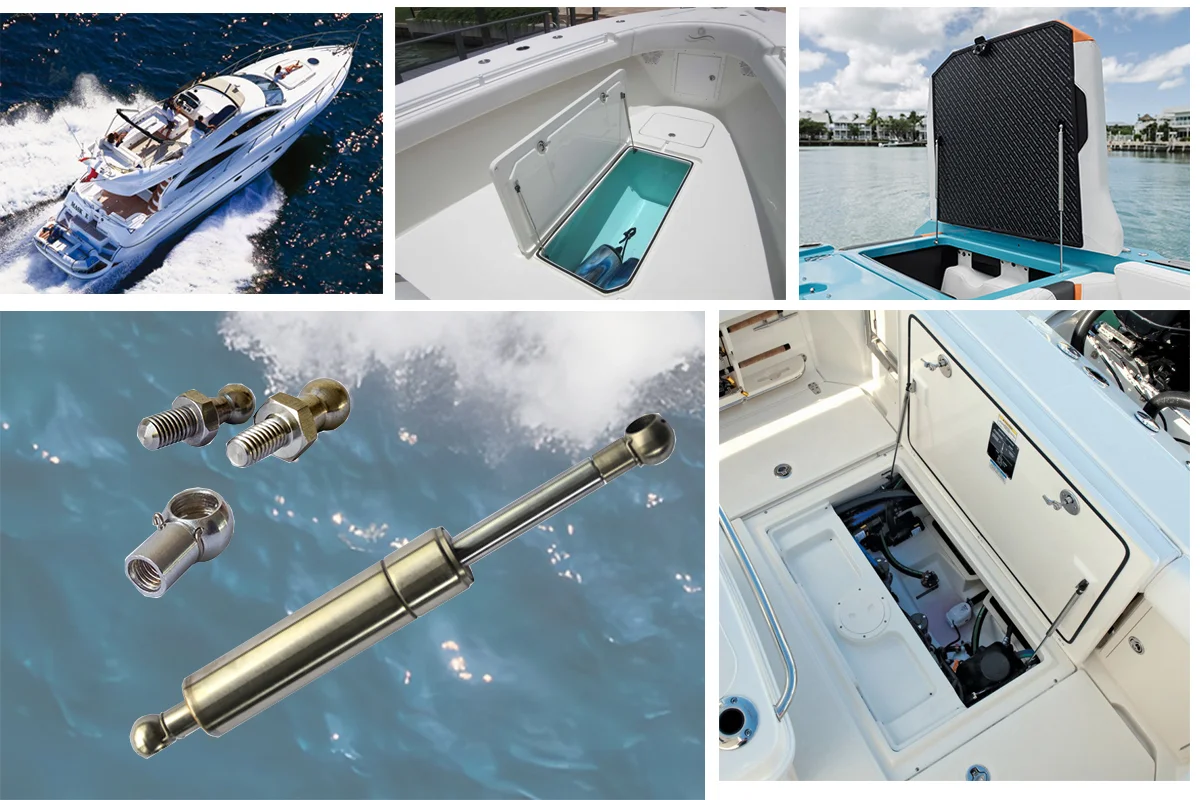
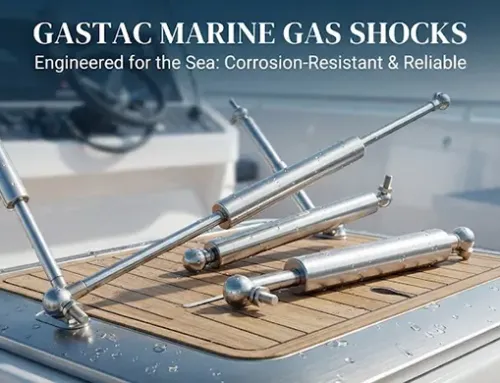
Marine Applications
Heavy Roof Windows or Skylights for gas spring
Windows & Building
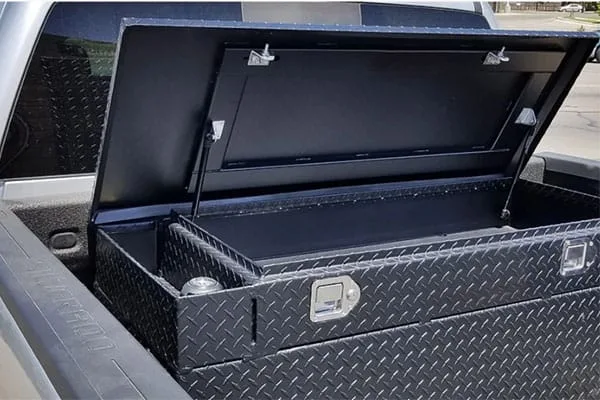
Toolboxes
Industrial Equipment
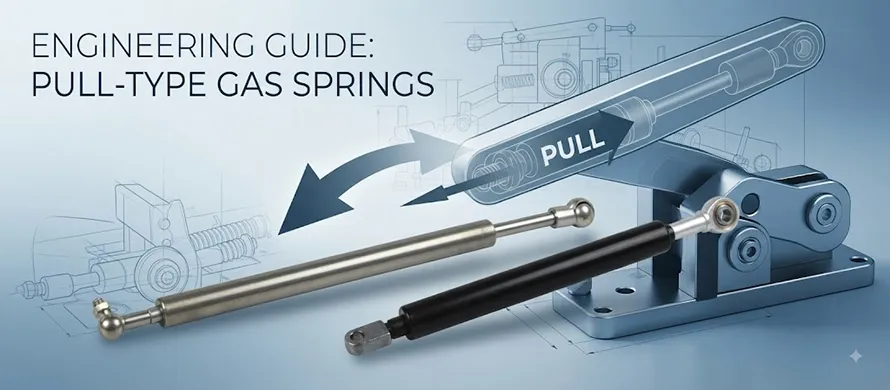
Tension Gas Springs
Sports & Recreation
Office Equipment

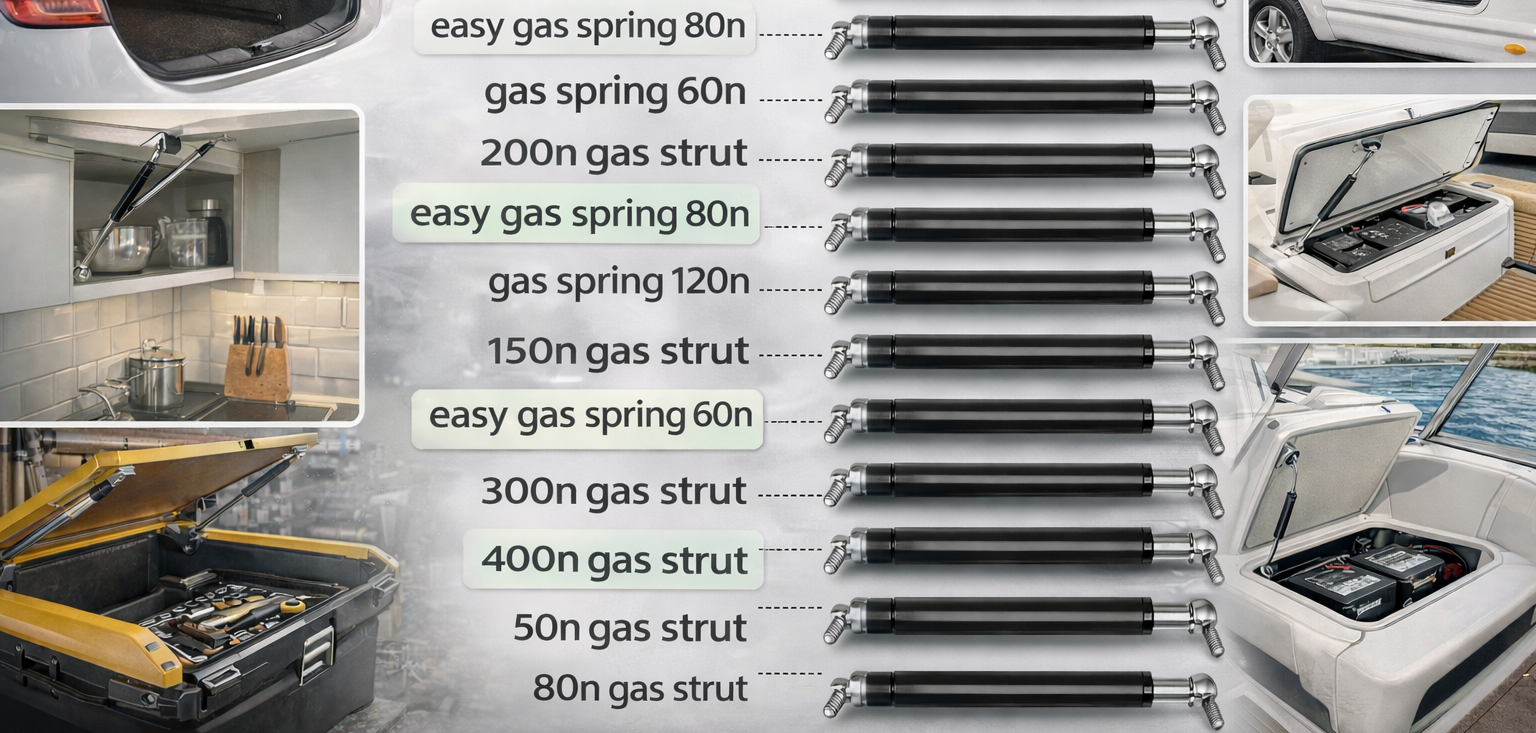
Gas Spring Pressure Chart Option

GASTAC offers a wide range of popular gas springs with carefully selected pressure ratings to meet diverse application needs. To help you choose the right force for your project, we’ve prepared a Gas Spring Pressure Chart Option table with all standard and custom pressure options available. For more detailed specifications and to explore all gas spring categories, please visit the GASTAC Online Store.

10n gas strut 20n gas strut 30n gas strut 40n gas strut
gas spring 50n gas spring 60n gas spring 80n 100n gas strut
110n gas strut gas spring 120n 150n gas strut 200n gas strut
250n gas strut 300n gas strut gas spring 350n gas spring 400n
450n gas strut 500n gas strut gas spring 600n 650n gas strut
700n gas strut 800n gas struts 1000n gas strut 1200n gas strut
1500n gas strut 2000n gas strut gas spring 50 kg 100kg gas struts

How to Choose the Right Gas Spring Pressure

Selecting the correct gas spring requires evaluating the weight of the lid or component being lifted. The mounting position and opening angle also influence the required gas spring pressure. Engineers calculate the lifting force needed to balance the load while keeping the system easy to close. Choosing the proper gas strut force ensures smooth operation and improves durability over time.

Other Key Parameters of Gas Springs

When choosing the right gas springs, Gas Spring Pressure is important, but other key parameters also matter. Considering these ensures smooth operation, safety, and durability across automotive, marine environment, furniture, and medical field. Key parameters include:

  • Rod & Tube Diameter – The diameter of the piston rod and cylinder tube, which affects the gas spring’s strength, stability, and load capacity.
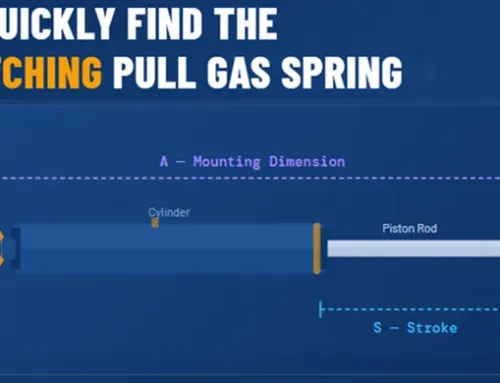
  • Stroke Length – The distance the gas spring can extend or compress, determining how far the attached lid, door, or panel can move.
  • Extended Length – The total length of the gas spring when fully extended, important for ensuring proper fit and installation in your application.

Conclusion

Understanding gas spring pressure helps users choose the correct gas spring for different equipment systems. Proper pressure ensures stable lifting, controlled movement, and long service life. Bestop gas springs provide a wide range of pressure options to support applications in marine equipment, medical devices, furniture, and office systems. Selecting the correct pressure level improves safety and operational efficiency.

For more detailed information or to discuss your specific GASTAC gas spring requirements, feel free to contact our team of experts via email at sales@gastac.com, We are here to help you find the perfect gas spring solution for your application.

Frequently Asked Questions About Gas Springs

As a leading gas springs supplier in China, GASTAC has over 20 years of experience in the field. To help customers better understand gas springs, we have compiled a list of frequently asked questions. The following FAQ addresses common concerns, guiding users in selecting, using, and maintaining GASTAC gas springs safely and efficiently.

Q1: What is a GASTAC gas spring?

A gas spring is a mechanical device that uses compressed gas to create controlled lifting and damping. It supports lids, doors, panels, and other movable parts, allowing them to open and close smoothly while staying in position when needed.

Q2: How does a gas spring work?

A gas spring works by compressing gas inside a sealed cylinder. This creates a lifting force that pushes the piston rod outward, allowing smooth movement and controlled support of panels or lids throughout their stroke.

Q3: How do gas springs provide consistent support?

Gas springs provide consistent support by using compressed gas inside a cylinder to generate a controlled lifting force. This force ensures smooth movement of lids, panels, or doors and keeps them in position when needed. Properly sized springs maintain reliable operation throughout the stroke.

Q4: How do I choose the right gas spring?

Selecting a gas spring involves considering the weight of the load, the length of the stroke, and the angle at which it will operate. The right spring provides consistent support without making opening or closing too difficult.

Q5: Can gas springs be adjusted or replaced?

Some gas springs are adjustable to fine-tune the force for specific applications. If a gas spring wears out, it can be replaced with one that has the same specifications to maintain smooth operation and safety.

Q6:How long do gas springs last?

A gas spring’s lifespan varies with load, frequency of use, and environmental conditions. Regular inspection and proper use can extend service life and maintain smooth, safe operation.

Q7:How should gas springs be maintained?

Keep gas springs clean and free of debris. Avoid overextending or overloading them. Proper storage in a dry, moderate environment prevents corrosion and maintains reliable performance.

Q8:What happens if a gas spring fails?

If a gas spring fails, the panel or lid may move unpredictably or fall, posing a safety risk. Regular maintenance and timely replacement are essential to prevent accidents and ensure reliable operation.

张航

Stay in the loop

Subscribe to our free newsletter.

Leave A Comment