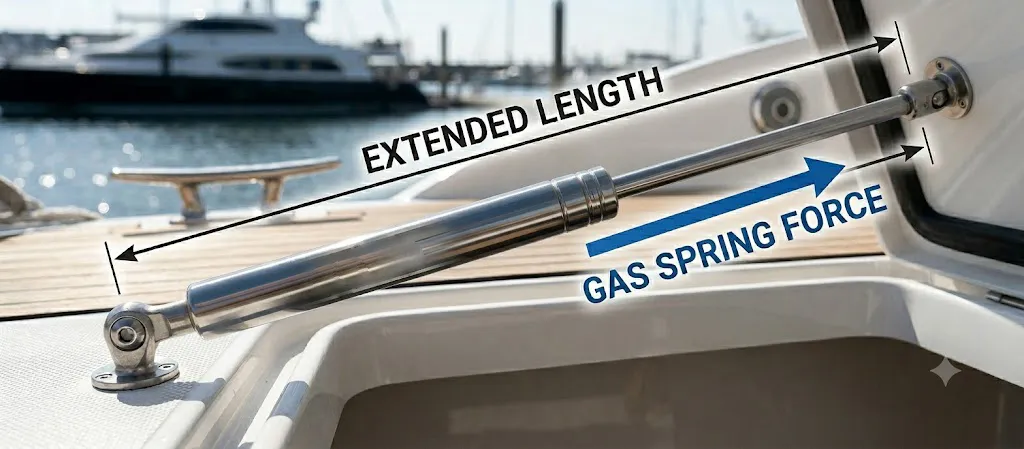
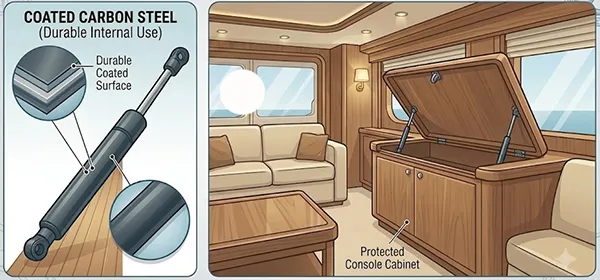
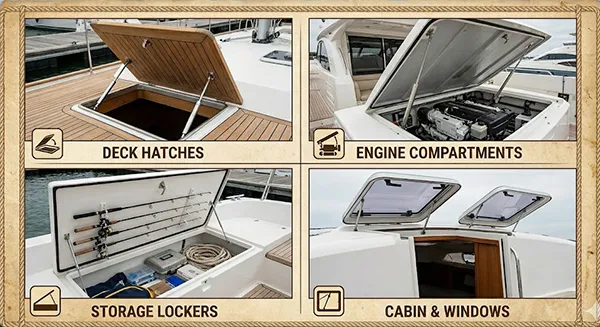
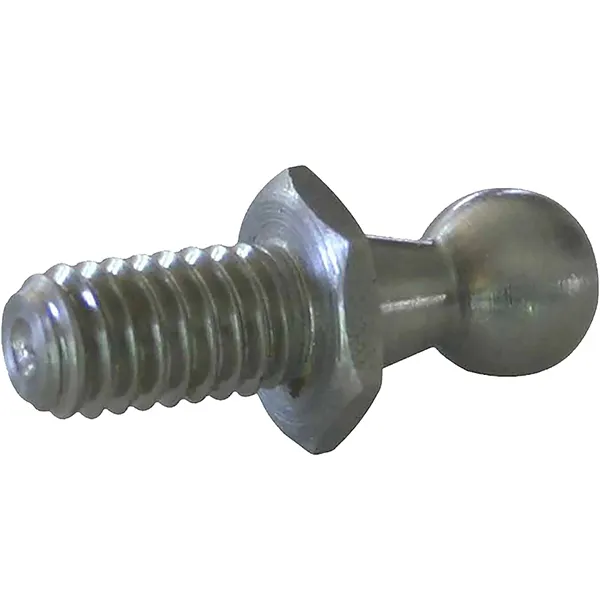
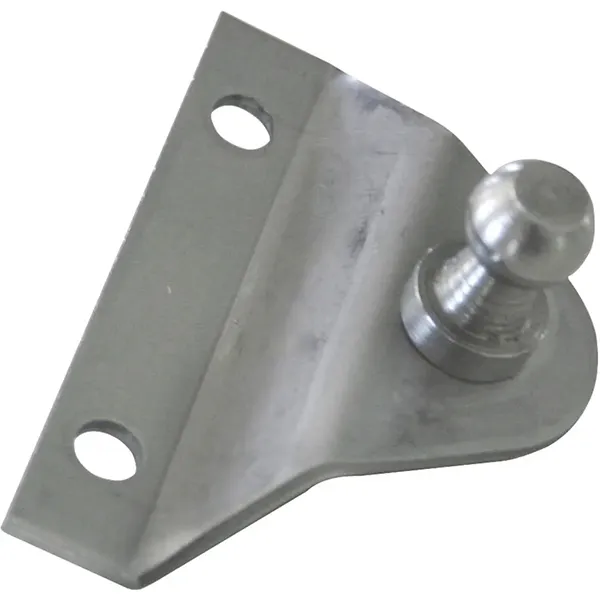
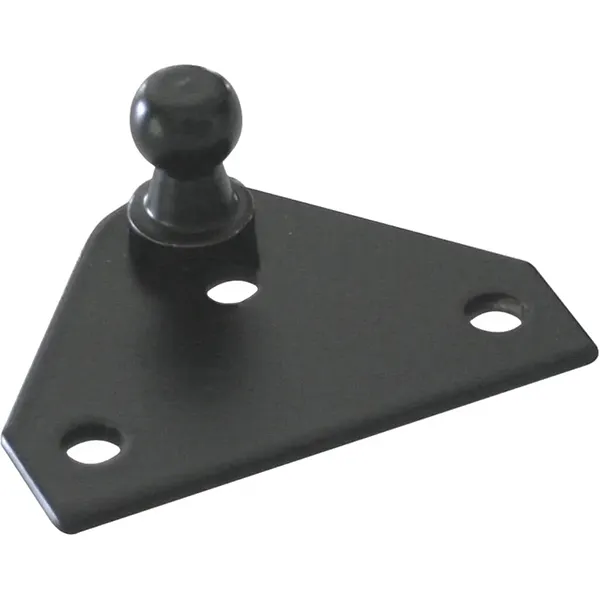
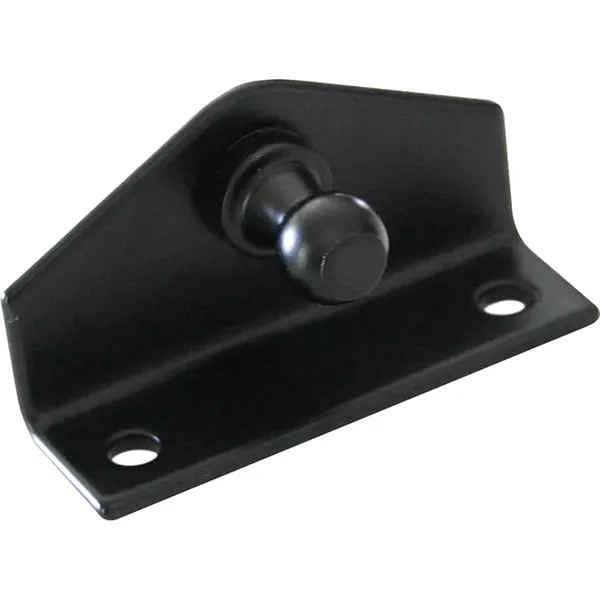
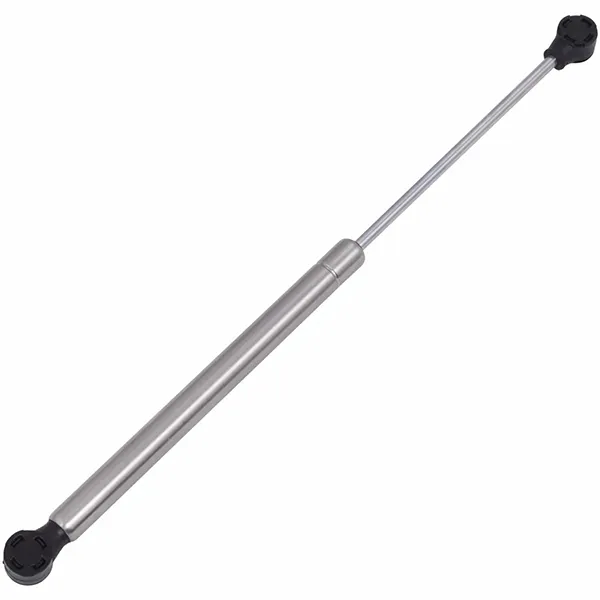
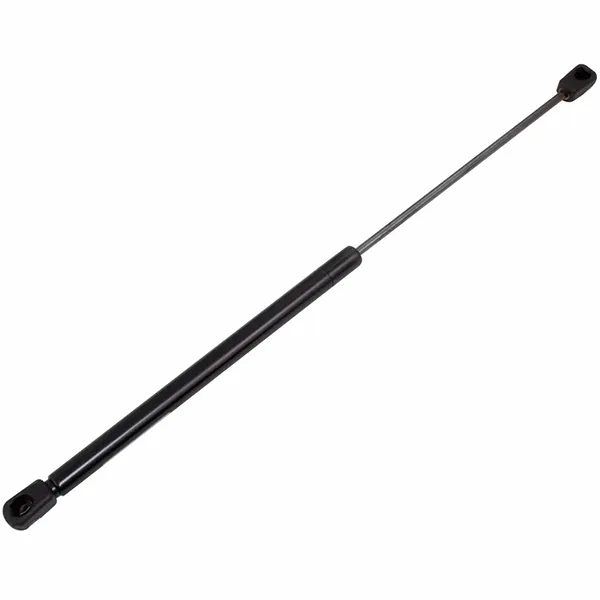
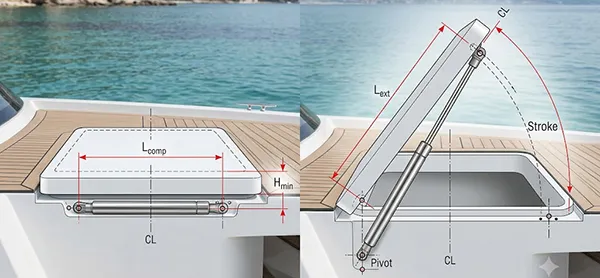
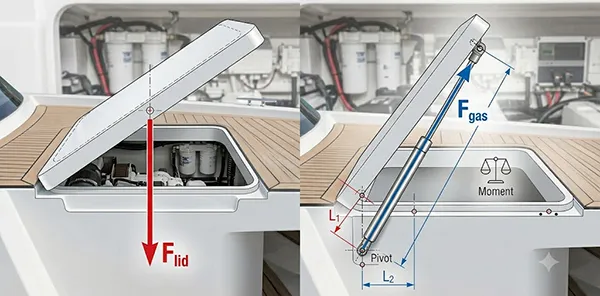
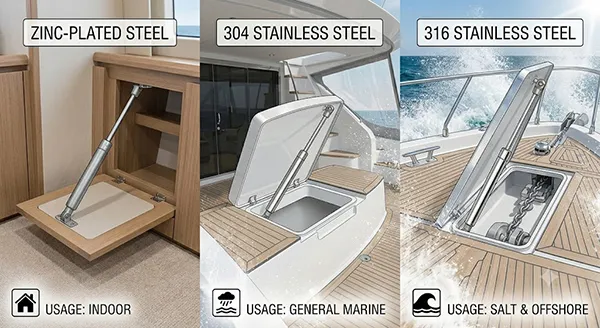
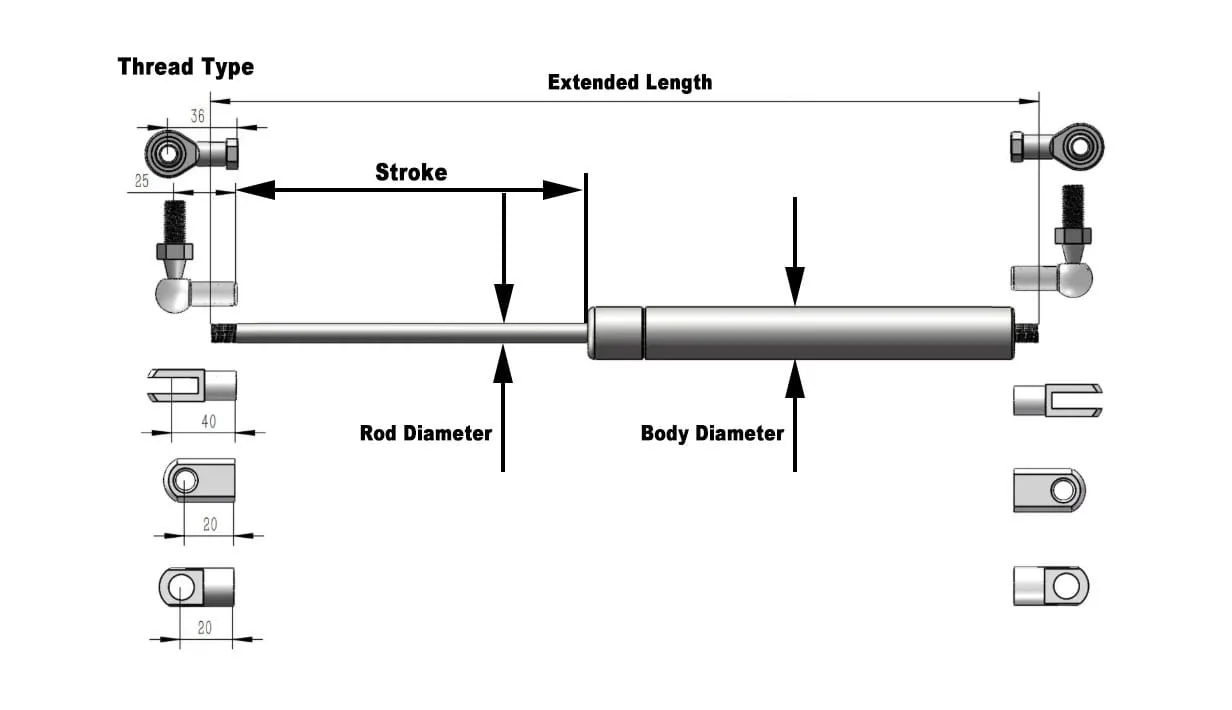

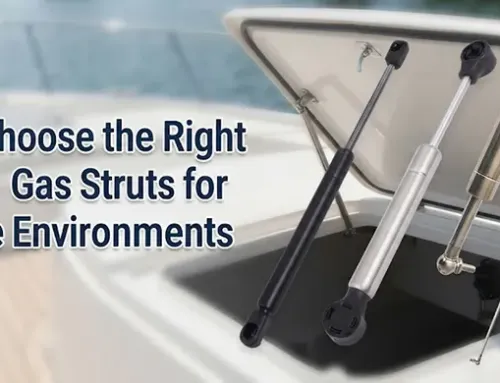



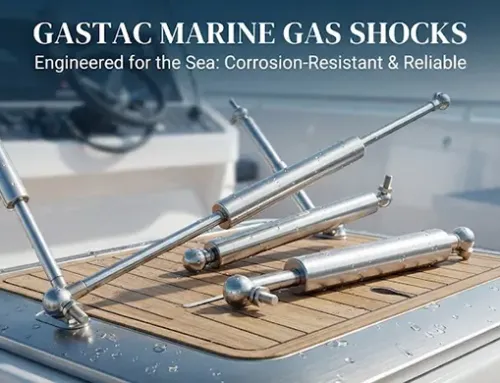
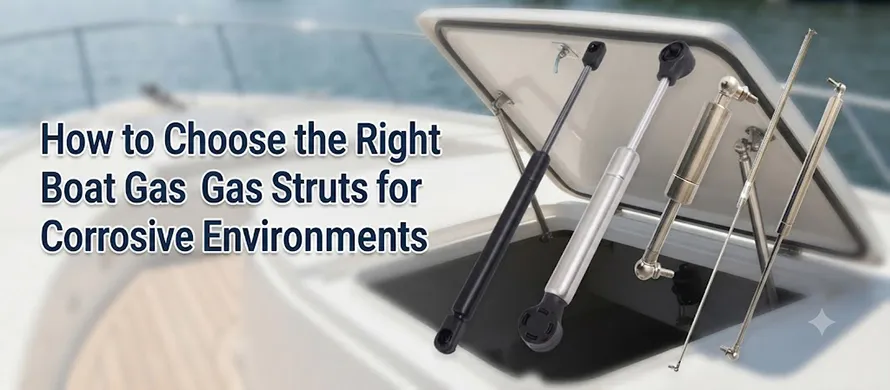


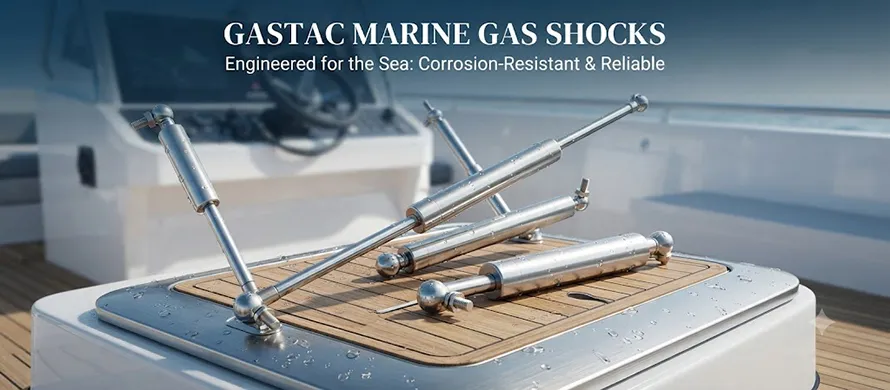
Marine gas springs are essential components widely used in marine environments to support, lift, and control the movement of heavy lids, hatches, doors, and storage compartments on boats and ships.

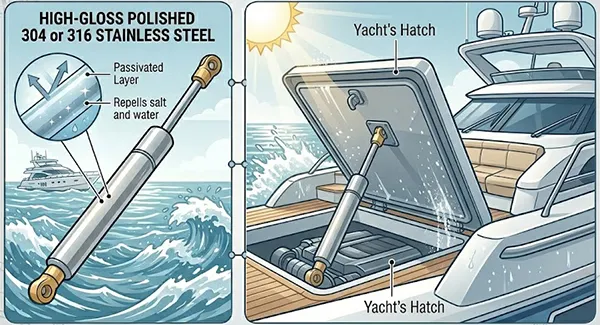
Unlike standard gas springs, marine gas springs are specifically designed to withstand harsh conditions such as saltwater exposure, high humidity, and continuous vibration.

If you are designing, repairing, or upgrading marine equipment, understanding how marine gas springs work—and how to choose the right one—can significantly improve safety, durability, and usability.

What Are Marine Gas Springs?

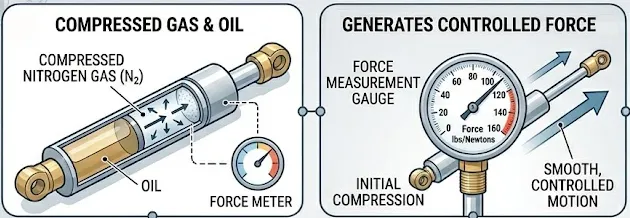
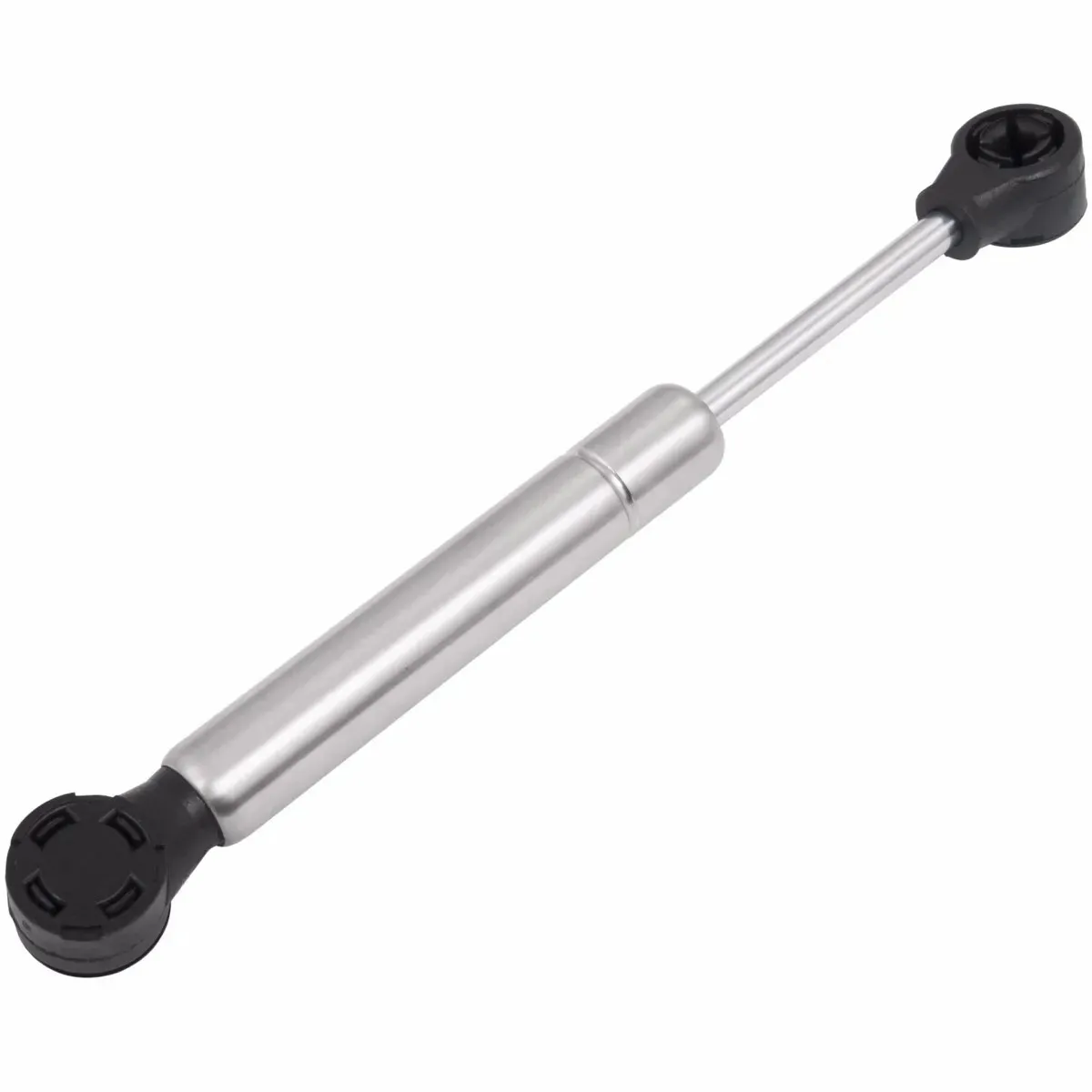
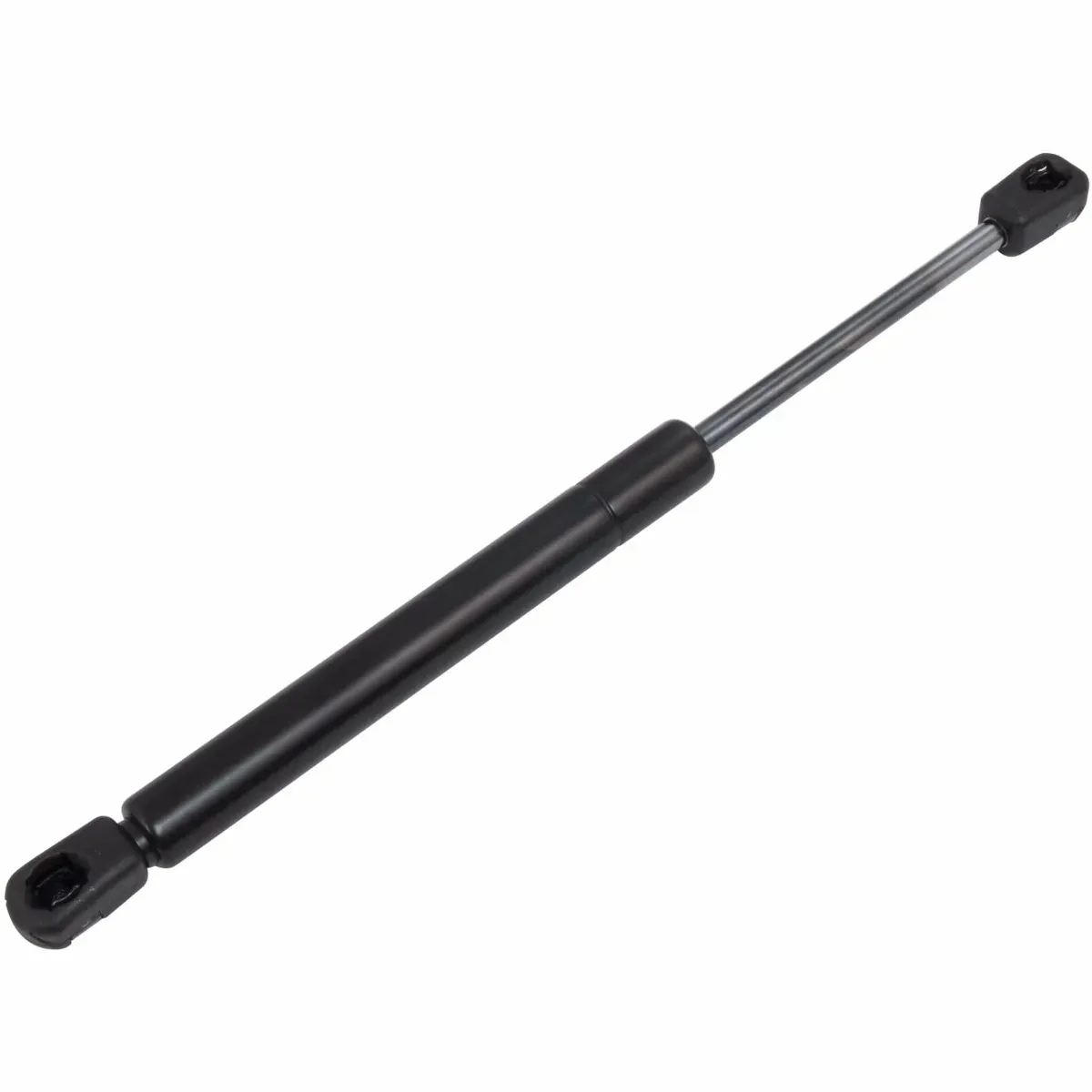
A marine gas spring is a mechanical device filled with compressed nitrogen gas and oil that generates controlled force to assist lifting or lowering heavy components, commonly used in marine applications such as hatches, lids, and access panels.

Understanding the Environment of Marine Gas Springs

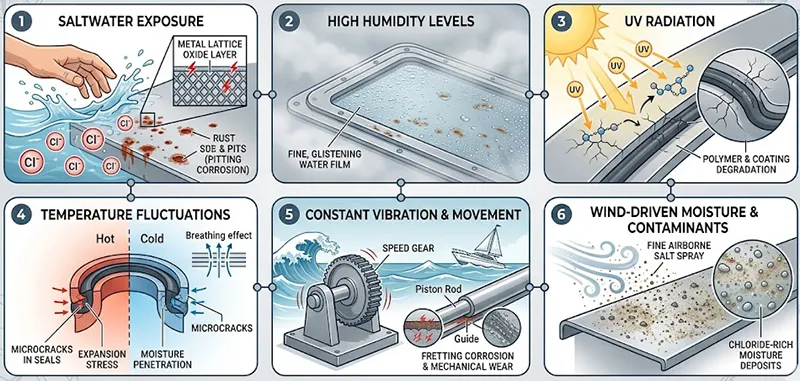
Marine equipment operates in one of the most demanding environments for mechanical components. Unlike indoor applications, marine gas springs are continuously exposed to factors that accelerate wear and corrosion. These challenges include:

  • Saltwater exposure: Chloride ions (Cl⁻) in seawater damage the protective oxide layer on metal surfaces and increase the electrochemical reaction rate in a highly conductive environment.
  • High humidity levels : High humidity forms a thin water film on metal surfaces, leading to continuous electrochemical corrosion.
  • UV radiation: Ultraviolet radiation damages the molecular chains of polymers and protective coatings.
  • Temperature fluctuations: Temperature changes cause thermal expansion and contraction, resulting in microcracks, decreased sealing performance, and moisture penetration through the “breathing” effect.
  • Constant vibration and movement: Continuous vibration repeatedly damages the protective oxide layer, leading to fretting corrosion and mechanical wear.
  • Wind-driven moisture and contaminants: Wind-blown salt spray and airborne particles deposit chloride-rich moisture and abrasives on the surface.

Over time, these environmental conditions can cause standard steel components to rust, degrade seals, and reduce overall product lifespan. For this reason, marine applications require marine gas springs specifically engineered to withstand long-term exposure to harsh conditions.

张航

Stay in the loop

Subscribe to our free newsletter.

Leave A Comment