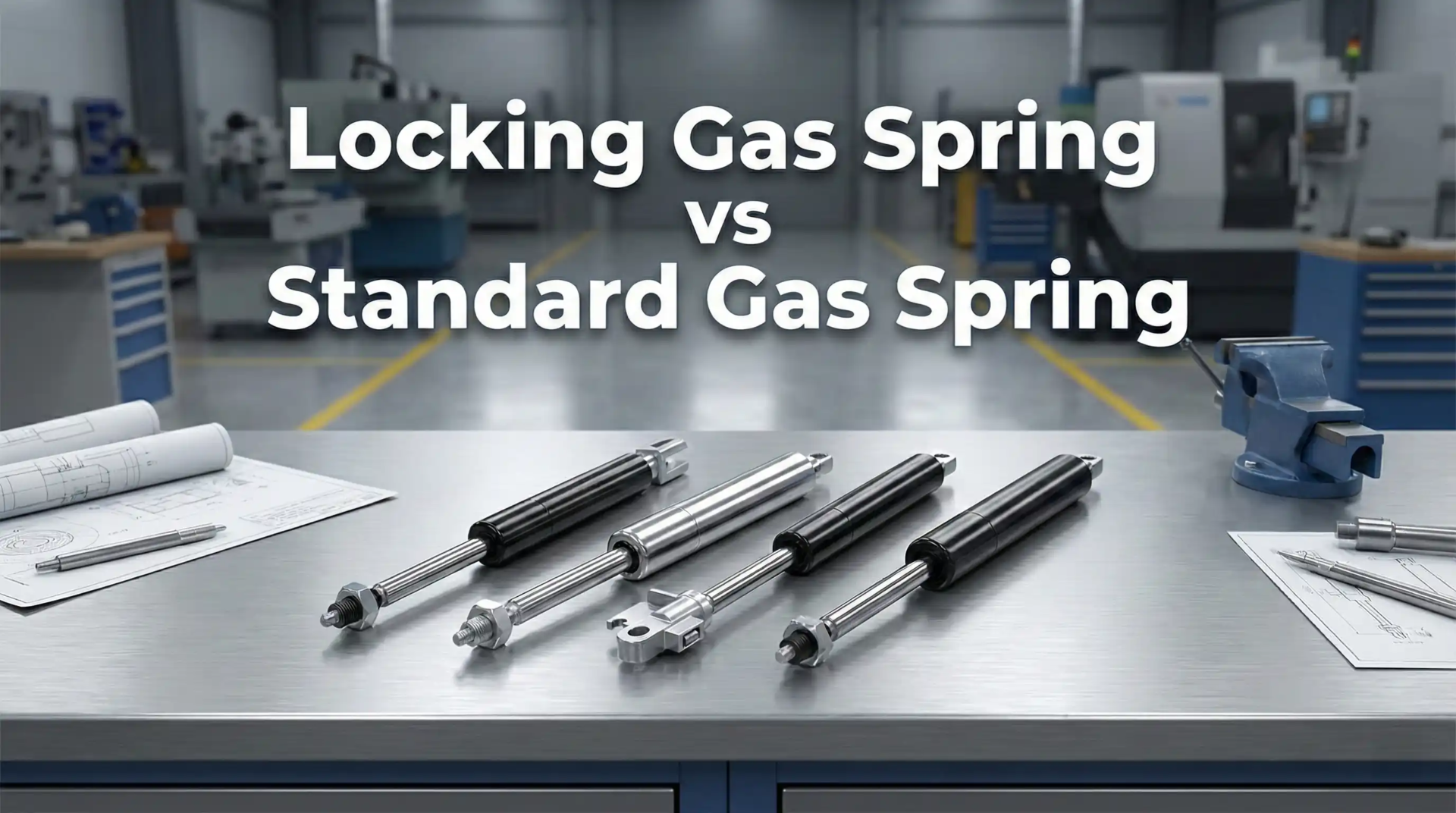
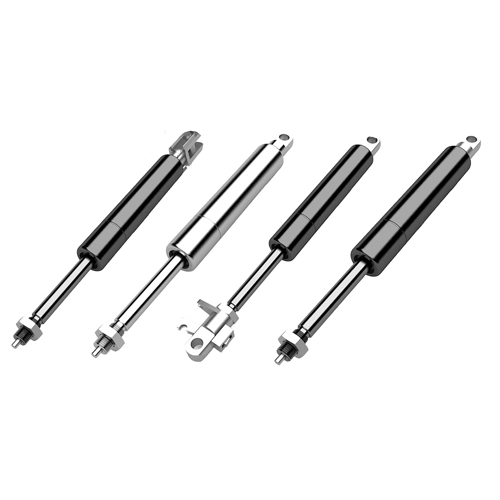
A locking gas spring (also called a lockable gas spring or gas spring with lock) differs from a standard gas spring mainly in control and stability. While standard types only assist movement, a gas spring with lock lets you stop and securely hold any position in its stroke — thanks to an internal locking valve system. For equipment that needs adjustable angles, controlled motion, or safety locks, the locking version is the better choice. Standard gas springs, however, are ideal when you only need smooth, consistent motion without locking at intermediate points.
In short: Choose locking when you need precision and safety; choose standard when you need simplicity and speed.
What Is a Locking Gas Spring?
A lockable gas spring is a hydropneumatic device designed to offer adjustable positioning and rigid or flexible locking through an internal valve system. When the valve is open (via button or lever), the piston rod can move freely. When closed, the rod locks in place — either rigidly or with slight movement, depending on type.
Gastac’s gas spring with lock are available in compression, extension, and safety locking configurations, providing reliable motion control in adjustable beds, ergonomic workstations, and medical tables.
What Is a Standard Gas Spring?
A standard gas spring provides assistive lifting or damping without locking. It relies on nitrogen gas pressure to push or pull the piston, enabling smooth and consistent motion. These are widely used in vehicle hatches, machinery covers, and cabinets. While simple and cost-effective, they cannot hold intermediate positions — once released, they fully extend or retract depending on orientation.
Core Differences Between Locking and Standard Gas Springs
| Feature |
Locking Gas Spring |
Standard Gas Spring |
| Position Control |
Lockable at any stroke point |
Cannot lock; fully open or closed |
| Safety |
Prevents sudden collapse; rigid locking |
Depends on operator or external support |
| Applications |
Adjustable desks, beds, medical tables |
Vehicle hatches, cabinets |
| Cost |
Higher (due to valve system) |
More economical |
| Customization |
Highly customizable |
Standardized dimensions |
Locking gas springs focus on safety and flexibility, while standard ones prioritize speed and simplicity. Gastac supports both configurations with OEM-friendly options and wholesale procurement support, ensuring stable quality at scale.
When to Choose a Locking Gas Spring
If your application involves variable positioning, load holding, or safety interlocks, a gas spring with lock is ideal.
For example:
-
Ergonomic workstations needing multi-angle adjustment
-
Medical and diagnostic equipment requiring steady support
-
Industrial hatches or heavy lids where sudden closure may cause injury
In contrast, for light covers or frequent open-close operations, standard gas springs remain the practical choice.
Different Types of Locking Gas Springs
Lockable gas spring come in several designs:
-
Flexible Locking: Slight elasticity in both directions when locked.
-
Rigid in Extension: Locks firmly against pulling force.
-
Rigid in Compression: Locks firmly against pushing force.
| |
FLEXIBLE |
RIGID IN EXTENSION |
RIGID IN COMPRESSION |
| Rigidity in Tension |
Good |
Fully Rigid |
High |
| Rigidity in Compression |
Good |
High |
Fully Rigid |
| Release Valve Option |
Yes |
Yes |
No |
| Typical Applications |
Chair backs, seat height adjusters and equipment for the physically disabled where the flexing gives a comfortable “bouncy” feel. Further applications are those where no or little extra force is applied once the gas spring has been locked such as VDU height adjustment. |
Applications for rigid in extension gas springs include hospital beds, aircraft, coach and rail seat back recline control and wheel chair recline and support systems. |
Applications include operating, massage and veterinary tables and wheel chair recline and support systems. This type of locking gas spring is always used where no movement can be tolerated when the apparatus is in its locked position. |
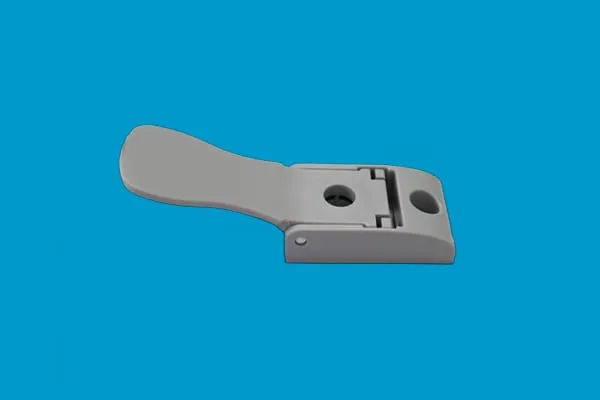
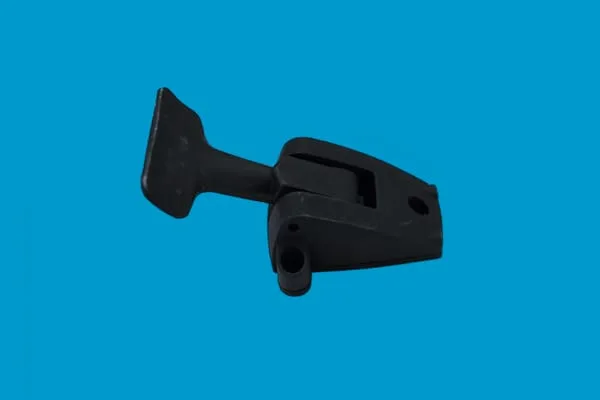
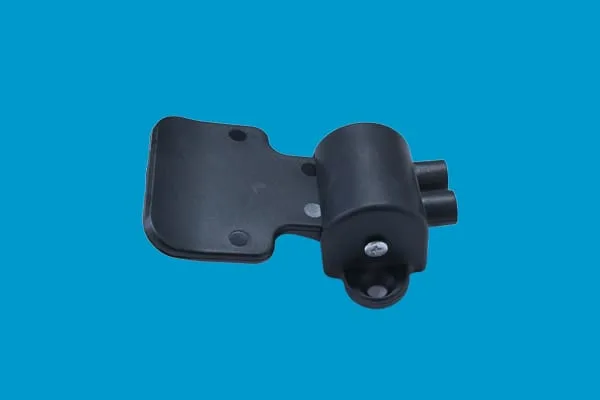
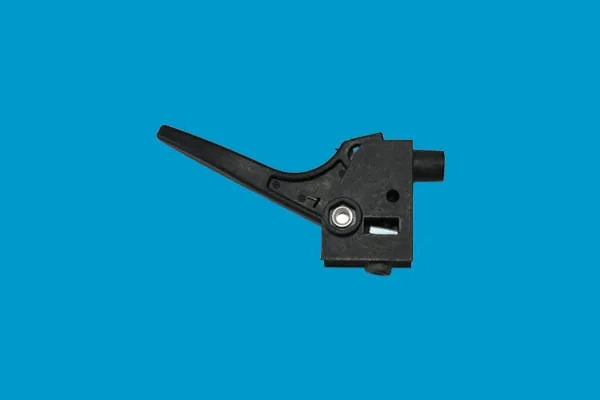
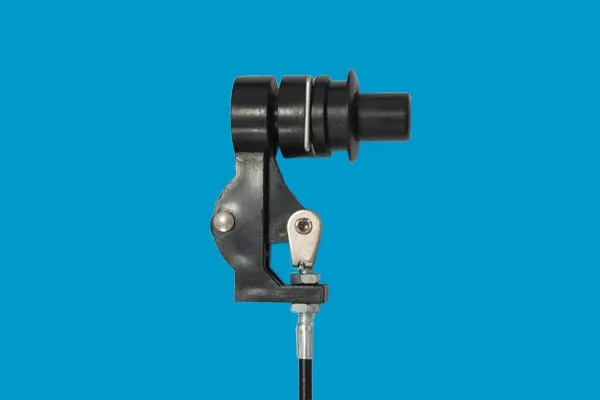
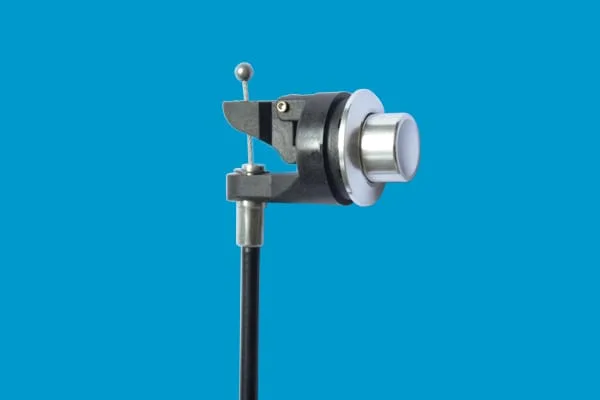
Lockable Gas Springs Control Button
The control button is the core accessory that activates the locking function of a lockable gas spring.
When pressed, it opens the internal valve, allowing the piston rod to move freely.
When released, the valve closes — and the gas spring instantly locks at the current stroke position.
Gastac offers several button designs:
-
Integrated head button: Compact and ideal for furniture or small devices.
-
Remote button with cable release: Common in medical and industrial applications.
-
Lever-type button: Provides easier access for frequent adjustments.
Each control button is engineered for smooth actuation, long service life, and consistent feel, ensuring precision control for every motion.
Below are the control button images.
Contact Gastac — OEM & Retail Support Available
Looking for a locking gas spring or a standard gas spring that truly fits your design? Gastac, a certified gas springs manufacturer and gas struts supplier since 2007, provides both OEM / bulk procurement and retail purchase options through our official Shop website. Whether you’re sourcing for industrial production or need a single piece for prototyping, we make it easy. Enjoy customizable specifications, stable quality with cost advantage, and fast global delivery.
👉 Visit our official Shop to buy directly, or contact our sales team for OEM and bulk quotation support.
Your reliable gas spring partner — Gastac Gas Spring.