Reliable Hydraulic Damper Systems for Hitch Bike Rack
Smoother and Safer Operation
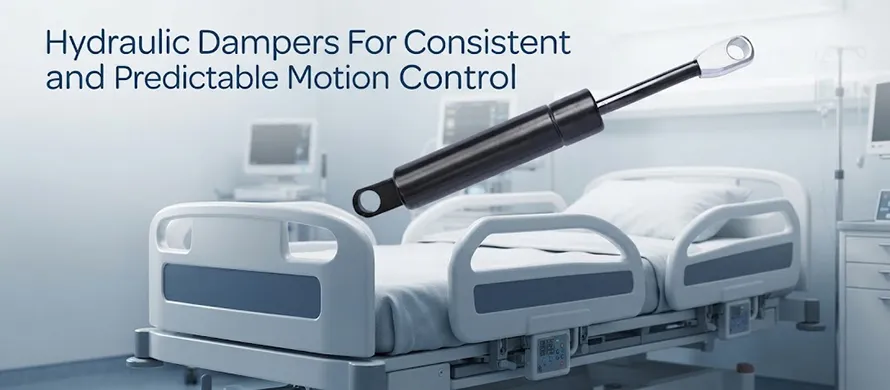
Hydraulic dampers provide controlled, gradual motion when lifting or lowering the rack. This prevents sudden drops, reduces vibration, and protects both bicycles and the hitch structure during transport.
Increased Durability and Load Stability
By absorbing shocks and impacts, hydraulic dampers significantly improve load stability on uneven roads. They minimize wear on hinges, joints, and mounting points, extending the service life of the entire rack system.
Easy Handling, Better User Comfort
Hydraulic assistance reduces manual effort, making heavy or fully loaded bike racks easier to lift, tilt, or secure. This improves convenience for users and enables safer, more efficient operation, even with one hand.
GASTAC hydraulic dampers are pure hydraulic dampers (without gas lift force), engineered specifically for hitch bike racks. They are designed strictly for shock absorption and controlled descent—preventing sudden drops and protecting both bicycles and the hitch structure during transport. Unlike gas springs, they do not provide lifting assistance, ensuring the rack lowers smoothly every time.
Primarily engineered for compression damping (smooth lowering) with free extension, these dampers deliver reliable performance on uneven roads. Designed to fit most hitch-mount and cargo bike trailers, GASTAC dampers offer customizable stroke, length, and damping force. With 20+ years of gas spring experience, GASTAC supports OEM/ODM, sample testing, and consistent quality for demanding outdoor conditions.
GASTAC Series Gas Struts Specification
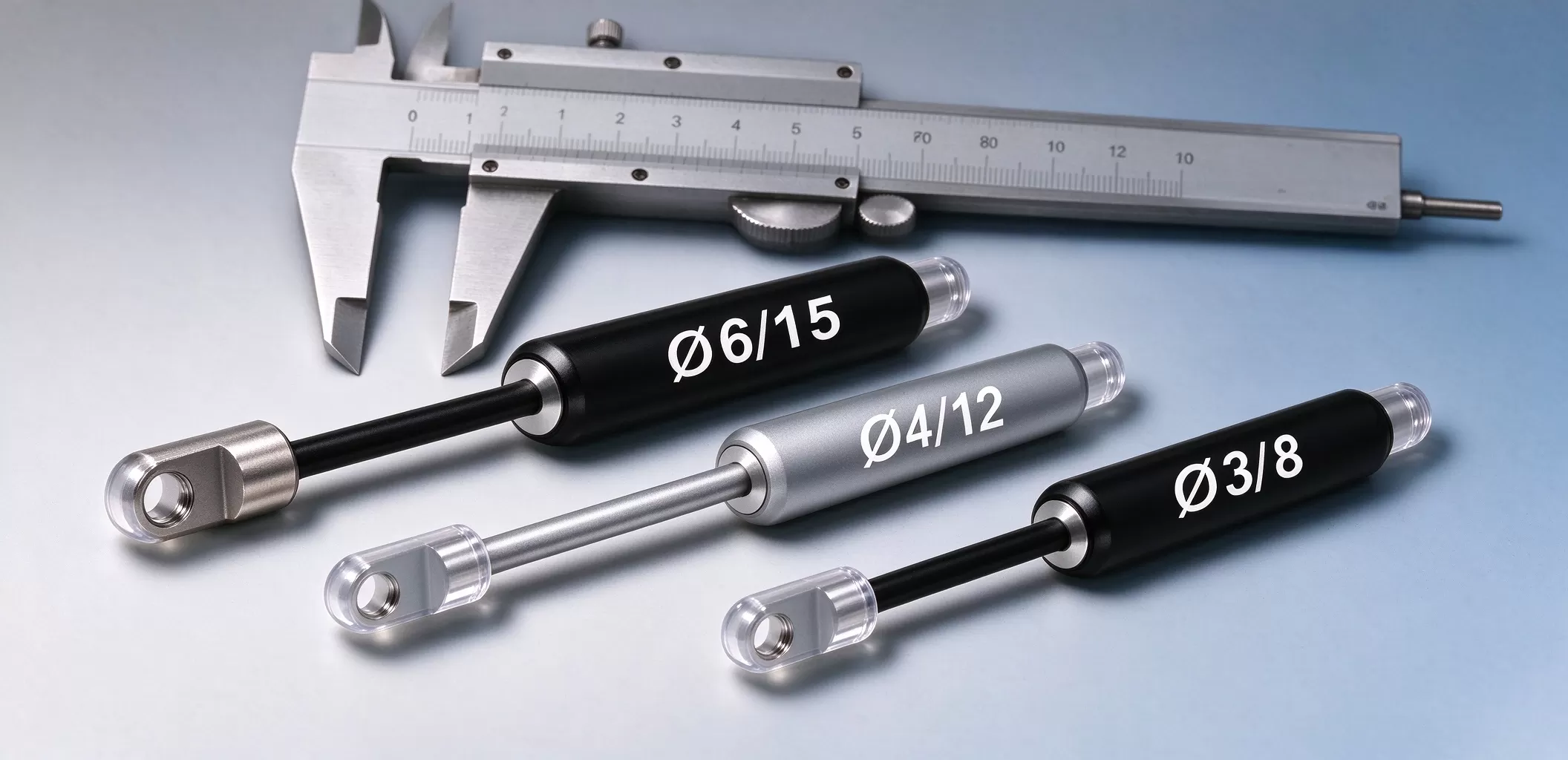
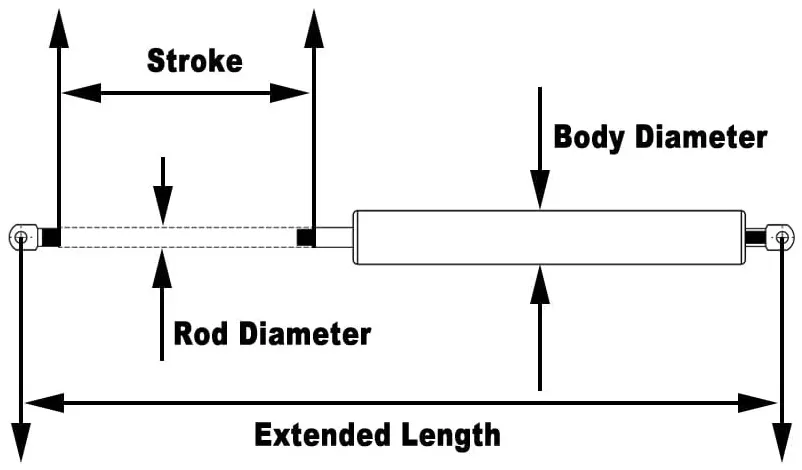
GASTAC manufactures GT Series gas springs in three core configurations — 6-15, 8-18 and 10-22 — covering rod diameters from 6 mm to 10 mm and tube diameters from 15 mm to 22 mm. Extended lengths range from 195 mm to 885 mm, with strokes from 60 mm to 400 mm and force ratings from 50 N to 1150 N. Thread sizes include M5×0.8, M6×1.0 and M8×1.25. Detailed specifications for each series are listed in the table below.
If you cannot find a matching specification or are unsure how to choose, please contact us for technical support and custom solutions.
Hitch Bike Rack Hydraulic Damper
Hitch bike racks endure extreme stress on the road—heavy loads of multiple bicycles, constant road vibration, and harsh weather conditions. Unlike standard general-purpose dampers, GASTAC hydraulic dampers for hitch bike racks are specifically engineered to solve these exact challenges.
Recommended Dimensions for Hitch Bike Racks
Hitch bike rack frames vary in geometry and tubing sizes. To ensure a perfect fit and optimal damping performance, our engineers have defined the most commonly used configurations based on standard rack geometries. These recommended dimensions cover the majority of OEM and aftermarket hitch bike racks, ensuring smooth operation and structural compatibility.
Engineered for Hitch Bike Rack Performance
Controlled Descent
Prevents the loaded rack from slamming down when lowering, protecting both bikes and the hinge mechanism.
Vibration Damping
Absorbs road shocks on uneven terrain, keeping the rack stable and minimizing wear on mounting points.
Multi-Position Hold
"Stop & Stay" friction keeps the rack steady at your loading angle, freeing your hands to secure bicycles.
All-Weather Reliability
Sealed against road salts, rain, and high-pressure washing to ensure consistent performance outdoors.
Whether you are an OEM manufacturer designing a new rack or an aftermarket buyer replacing a worn-out part, our dampers are built to fit directly into standard rack frames and deliver years of reliable performance. Detailed specifications for each series are listed in the table above. If you cannot find a matching specification, please contact our engineering team for custom solutions.
Hitch Bike Rack Hydraulic Dampers Key Features
Hitch bike racks face severe challenges on the road—constant vibration, heavy loads, and harsh weather conditions. To ensure your rack operates smoothly and safely, GASTAC hydraulic dampers are engineered with advanced motion control, premium surface treatments, and extreme durability. Here are the key technical features that make our dampers reliable in the most demanding environments:
Bump & Drop Protection
Features adjustable damping, full-stroke control, and end damping (soft stop). Prevents the bike rack from slamming down when lowering, and absorbs shocks from bumpy roads.
All-Weather Corrosion Resistance
Standard QPQ and liquid nitrogen treatments pass 144h salt spray tests, protecting against road salts and high-pressure washing. Optional: Ceramic Pro coating and custom paint.
300,000 Load Cycles
Simulating everyday loading and unloading. Our 6-15 series (80 mm stroke) passed 300,000 cycles after a 6-hour static hold at 20°C, ensuring years of reliable service.
Direct Fit for Rack Frames
Standard eyelet and threads (M6, M8, M10) match most hitch bike rack mounting brackets. Custom end fittings are available to simplify your assembly line.
Extreme Temperature Stability
Engineered for outdoor racks, maintaining consistent damping force from -40 °C to +100 °C, whether parked in freezing winter or baking summer sun.
Multi-Position Hold
Optional "Stop & Stay" mechanism keeps the rack securely at the tilted loading angle, freeing your hands to easily mount or remove bicycles.
Installation & Usage Limits
- Never use as a travel limit: Fixed external stops must be installed at both ends of the stroke, positioned 1–1.5 mm before the end. Push/pull forces must never exceed the maximum rated load.
- Do not use as structural support: The damper cannot bear structural loads on its own. External guides or supports must be provided to ensure proper operation and safety.
Why Choose Our Hydraulic Dampers

How to Select the Right Damping Force
Choosing the correct force is critical. Too low risks sudden drops; too high prevents full lowering. Calculate the maximum static torque:
Match this torque to the Force Range (F₁) above. Contact our engineering team for custom tuning.
Installation & Usage Limits
- Never Use as End Stop: Dampers control motion, not travel limits. Using them as stops causes rapid failure from impact loads.
- Install External Stops: Mechanical stops are required at both ends, positioned 1–1.5 mm before stroke end to prevent bottoming out.
- Respect Load Limits: Push/pull forces must not exceed rated limits. The damper cannot act as a structural support; external brackets are required.
Hydraulic Damper Ideal Use Cases

Family cycling trips with multiple bikes
Family cycling trips

Long-distance touring and bike transport
Tour and Transport

Camping or outdoor adventures with bike trailers
Camping

Professional cycling events requiring safe bike carriage
Professional cycling events

Weekend getaways or city biking with cargo trailers
Weekend getaways or city biking

Transporting sports or recreational equipment securely
Transport or recreational equipment