





















In modern equipment design, controlled motion is not optional — it is essential. From truck tool boxes and camper shells to industrial cabinets and access panels, smooth lifting and reliable support depend on one core component: the gas shock.

Understanding what are gas shocks helps buyers, engineers, and distributors make better specification decisions that improve safety, durability, and user experience.

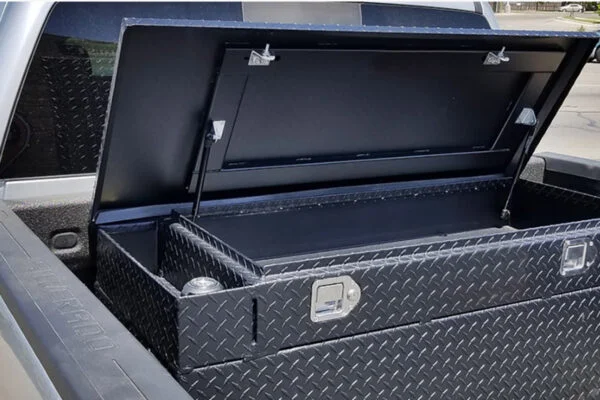
tool box struts
camper shell window shocks 1 1

What Is a Gas Strut? What Is a Gas Shock?

In many industries, customers ask what is a gas strut, what is a gas shock, or even search for what is gas strut when sourcing lifting hardware.

Technically, these terms often describe the same core device: a sealed cylinder filled with compressed nitrogen and oil, designed to provide controlled extension force.

The difference is usually regional or application-based terminology:

what are gas shocks
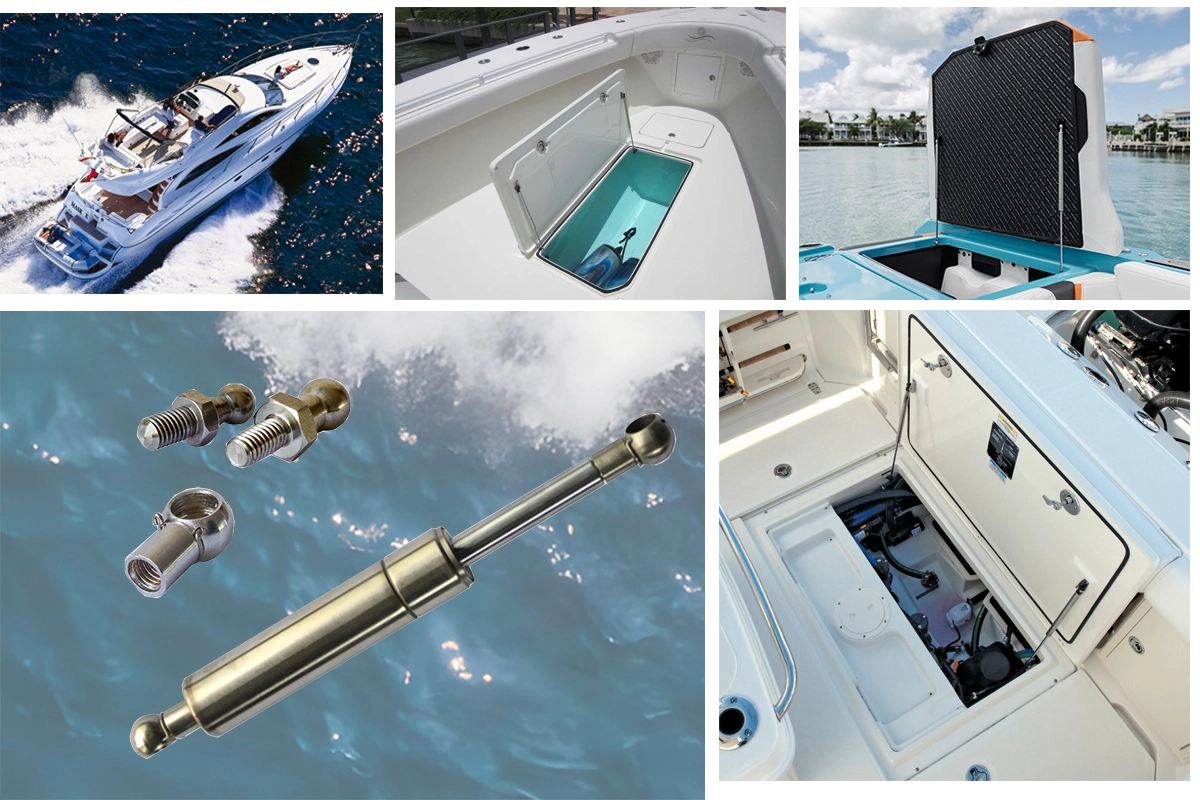
  • Gas strut – Common in industrial, cabinet, automotive, and marine applications
  • Gas shock – Often used in automotive aftermarket or heavy-duty contexts

Regardless of terminology, the function remains the same:

✔ Controlled lifting
✔ Stable positioning
✔ Smooth damped motion
✔ Reduced mechanical stress

How Gas Shocks Work?

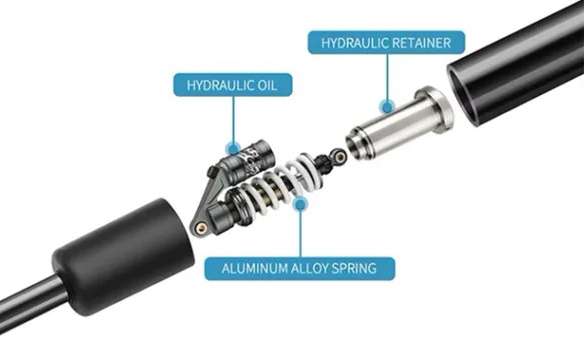
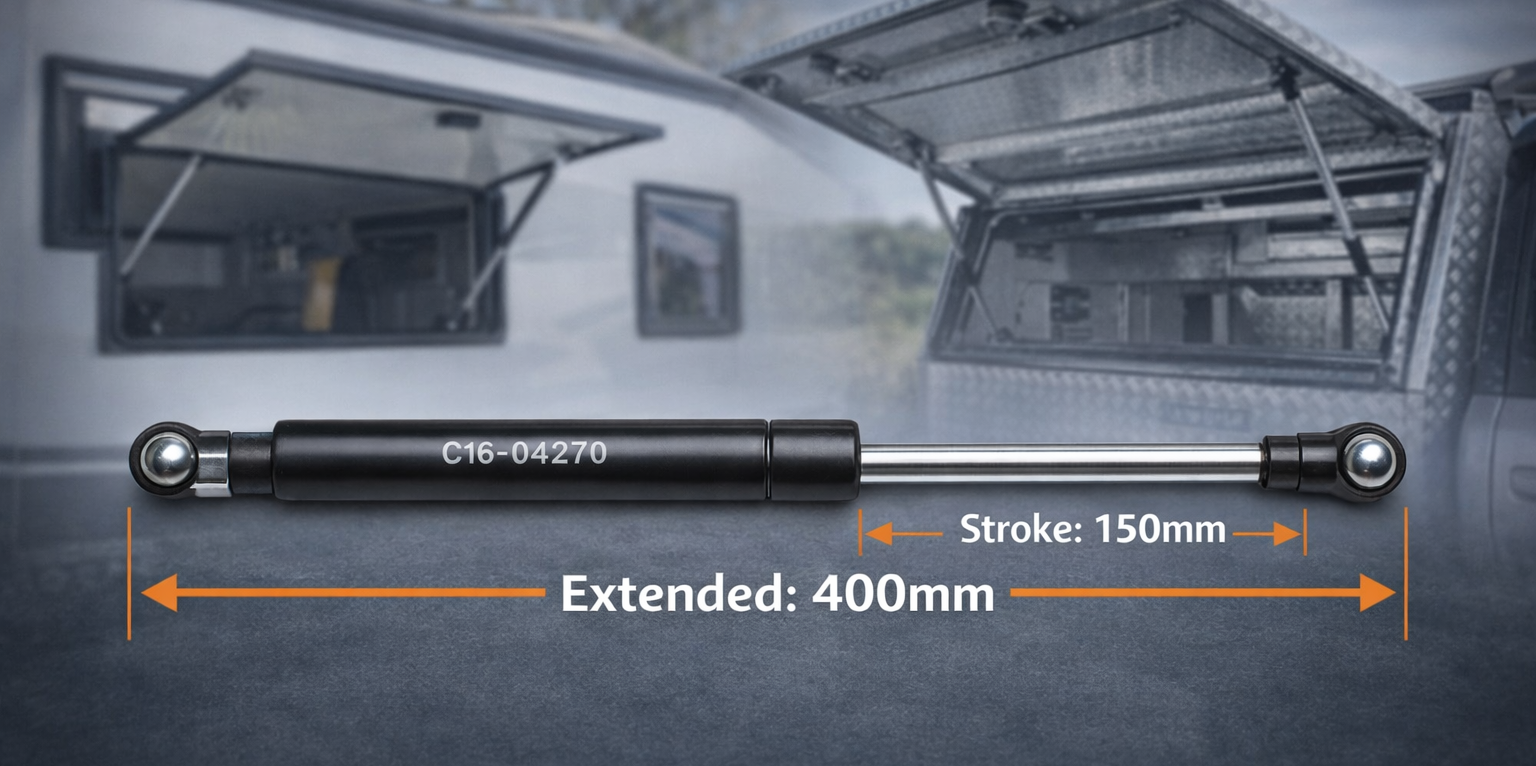
A gas shock consists of:

  • Pressure tube (cylinder)
  • Piston and rod assembly
  • Nitrogen gas charge
  • Hydraulic oil for damping
  • End fittings for installation

When compressed, nitrogen pressure builds inside the cylinder. Upon release, the stored energy pushes the rod outward, providing lifting force. The oil controls speed and prevents sudden extension, ensuring smooth, safe motion.

This simple but precise engineering solution replaces springs, counterweights, and manual lifting effort.

Why Proper Gas Shock Selection Matters

Choosing the correct specification directly affects:

  • User safety
  • Service life
  • Structural integrity
  • Brand reputation

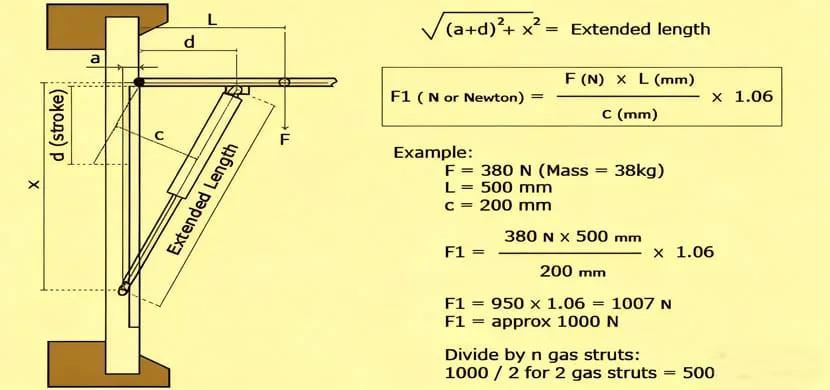
Critical parameters include:

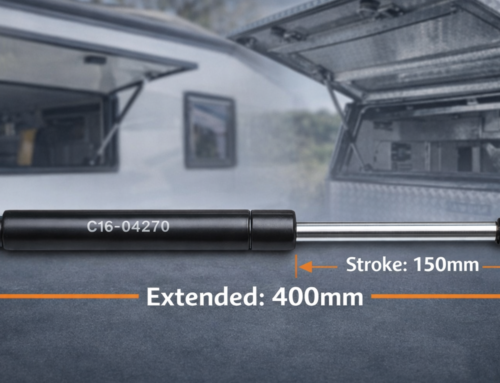
  • Stroke & Extended length
  • Force (N) rating
  • Rod & tube diameter
  • Mounting configuration

For bulk buyers and manufacturers, partnering with a professional gas spring manufacturer ensures consistent supply, stable quality, and customizable solutions. Not all gas shocks are engineered equally. High-quality units feature:

Gas Shock Key Application Industries

Gas struts and gas shocks are essential motion-control components used across multiple industries. From transportation and mobile living systems to industrial machinery and ergonomic furniture, they ensure smooth lifting, controlled movement, and long-term reliability in demanding environments.

Quality Factors That Impact Performance

Gas struts and gas shocks are essential motion-control components used across multiple industries. From transportation and mobile living systems to industrial machinery and ergonomic furniture, they ensure smooth lifting, controlled movement, and long-term reliability in demanding environments.

  • Precision nitrogen charging
  • Corrosion-resistant coatings
  • High-grade sealing systems
  • Fatigue-tested piston rods
  • Strict force tolerance control

Why Understanding Gas Shocks Improves Purchasing Decisions

When customers clearly understand what are gas shocks, and the relationship between what is a gas strut and what is a gas shock, they are more confident in selecting the right product. Clear technical knowledge leads to:

  • Faster RFQ processing
  • Reduced trial-and-error replacement
  • Improved product compatibility
  • Higher conversion rates

Wide Range of Gas Springs from GASTAC

Beyond standard models, Gastac gas springs offer a comprehensive selection to meet diverse applications. Whether you need off-the-shelf standard sizes or fully customized solutions, GASTAC provides high-quality gas struts and shocks tailored to your exact specifications. Customers can easily request custom designs via email, ensuring the perfect fit for truck tool boxes, caravan windows, cabinets, industrial machinery, and more — all backed by reliable performance and durable construction.

张航

Stay in the loop

Subscribe to our free newsletter.

Leave A Comment