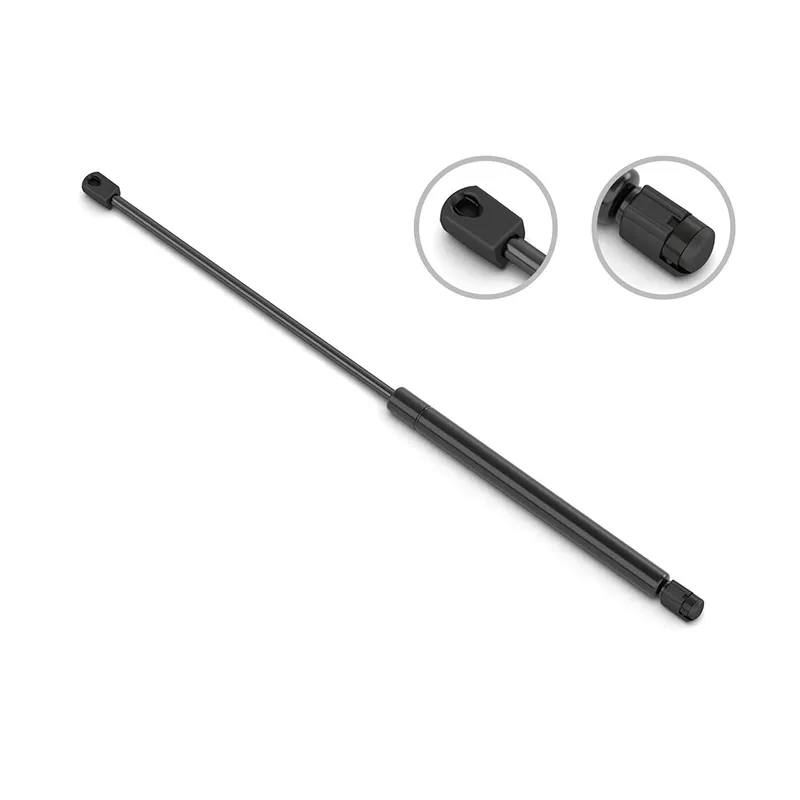
Hummer H3 Hood Strut
If the front engine hood of your Hummer H3 or H3T feels unsafely heavy, creeps down slowly, or completely drops during cold weather, your factory Hummer H3 hood strut has failed. Because the Hummer H3 features a massive, heavy-duty steel hood, relying on worn-out, leaking OEM shocks is a severe safety hazard during routine engine maintenance or fluid checks.
Replacing your weak or dead front hood gas struts is a low-technical-barrier DIY job. It requires no complex tools, takes less than 5 minutes in your home garage, and instantly restores original lifting force and smooth open-and-close functionality.
What Are Hummer H3 Hood Struts?
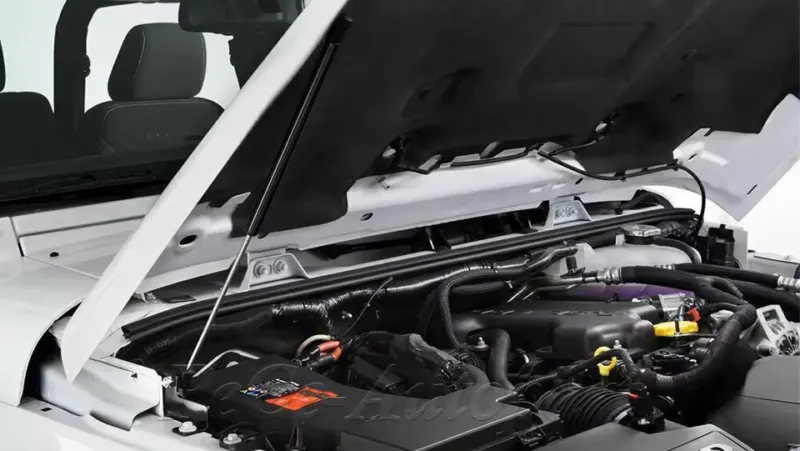
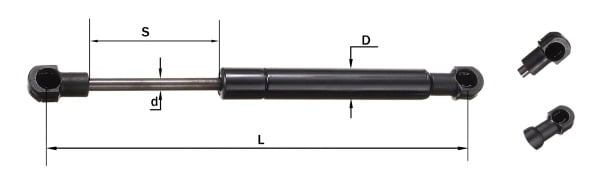
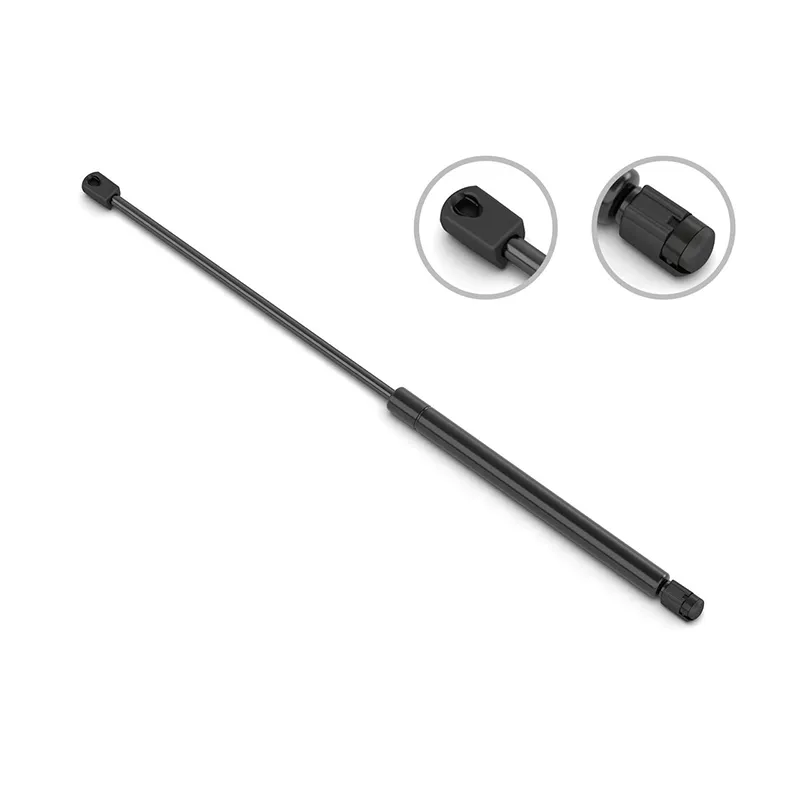
Hummer H3 Hood Struts (also commonly referred to as hood lift supports, gas springs, or hydraulic hood shocks) are specialized, high-pressure nitrogen-filled cylinders designed to assist in lifting, supporting, and counterbalancing the massive, heavy-duty steel front engine hood of the Hummer H3 and H3T. Instead of relying on a manual prop rod, these struts provide an automated, smooth, and hands-free opening experience while keeping the heavy hood safely locked in the open position during engine maintenance.
What are Signs of Failing Hood Struts?
When factory lift supports lose their internal nitrogen pressure and seal integrity, they compromise both vehicle functionality and engine bay safety. Recognizing these early performance warning signs allows you to address the failure before the heavy hood drops unexpectedly.
- Hood drops slowly after opening: The piston seals suffer micro-leaks, causing the hood to slowly creep down and lose its sustained holding force.
- Hood will not stay fully open: Internal nitrogen gas pressure has depleted below the minimum threshold required to support the dead weight.
- Uneven support on one side: One failed strut forces the remaining support to carry the entire load, leading to asymmetric twisting stress on the hood hinges.
- Hood feels heavier than normal: The gas springs no longer provide lifting assistance, forcing you to lift the massive weight manually.
- Visible oil or gas leakage: Fluid residue or accumulated road grit on the shiny metal rod confirms a completely ruptured main pressure seal.
- Weak performance in cold weather: Dropping temperatures trigger a thermodynamic force drop, causing borderline struts to fail completely in winter.
If these signs appear, immediate replacement in pairs is highly recommended to ensure garage safety.
What Causes Hood Struts to Fail?
Automotive gas struts operate as sealed, high-pressure nitrogen vessels under continuous mechanical tension. Over time, environmental exposure and physical operational stress inevitably degrade the internal components, leading to a loss of lifting force.
- Natural gas permeation: Nitrogen molecules slowly migrate past the rubber seals over years of use, dropping the internal pressure below the required lifting threshold.
- Seal degradation and wear: Constant friction from the cycling piston rod gradually wears down the internal multi-lip seals, leading to micro-leaks.
- Extreme temperature variance: Severe heat accelerates seal hardening, while extreme winter cold causes internal pressure drops and rubber contraction, breaking the seal.
- Piston rod damage or debris: Grit, dirt, or minor scratches on the shiny metal rod tear through the internal seals every time the hood opens or closes.
- Loss of hydraulic lubrication: The internal oil charge degrades or leaks out, destroying the speed-dampening effect and causing the strut to fail violently.
Hummer H3 Hood Struts OEM Table
Interior Technology
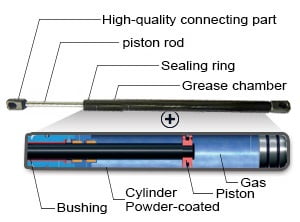
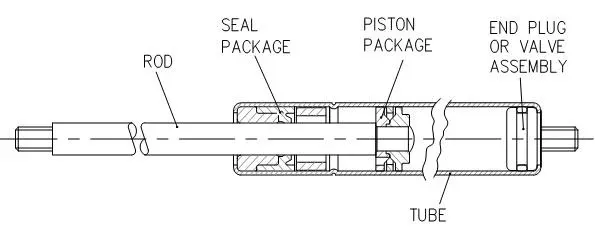
- Highest corrosion resistance achieved through powder coated cyclinders and special treated piston rod surfaces.
- Minimal friction for the production of lowest extension forces.
- Great life cycles.
- Protection against vibration and light side forces.
- Integrated grease chamber.
- Low break away forces.
- Installation and storage in any position.
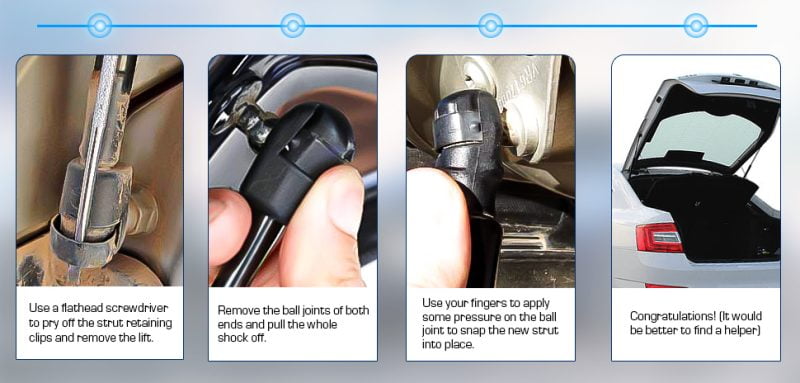
Simple 5-Minute DIY Install Hood Struts Guide
You do not need to pay expensive dealership labor rates to fix your falling hood. Follow these simple steps to install your new GASTAC lift supports safely:
- Step 1: Prop the hood open securely using a temporary wood block or have an assistant hold it up.
- Step 2: Use a small flat-head screwdriver to gently pry up the metal retaining clip on the top and bottom ball joints of the old hood strut.
- Step 3: Pull the old gas shock away from the vehicle’s ball studs.
- Step 4: Line up the new GASTAC gas strut ball joint with the vehicle stud and press it firmly until it clicks securely into place. Repeat on the opposite side.
Why Choose GASTAC as Your Gas Spring Supplier?
- Factory-Direct OEM Fit: 100% direct replacement matching official GM specifications without middleman markups.
- All-Weather Performance: Engineered to prevent the standard 3.5% pressure drop in freezing winters and resist extreme engine bay heat.
- Certified 50,000-Cycle Lifespan: Built with heat-resistant fluoroelastomer multi-lip seals and verified by rigid in-house QA lab testing.
- 100% Force Calibration: Every single gas strut undergoes automated F1 Newton force calibration to ensure a perfect balanced lift.
- Scalable Bulk Delivery: High-volume automated factory capacity ensuring deep stock reserves and reliable global shipping lead times.
- Maximum Cost-Efficiency: Premium OEM-tier manufacturing quality delivered at aggressive, tier-1 wholesale pricing to maximize your profit margins.

Contact Us
Interested in our products, pricing, MOQ, or customized solutions? Fill out the form below to submit your inquiry or request a quote, and our team will get back to you within 24 hours.