









If your hood won’t stay open, your trunk feels heavy, or your tailgate drops unexpectedly, selecting the correct replacement strut is critical. Choosing the right automotive gas struts is not just about finding a part that fits—it’s about ensuring safety, performance, and long-term reliability. This guide covers everything you need to know—from sizing and force selection to common failures and installation—so you can make the right decision with confidence.

What Are Automotive Gas Struts?
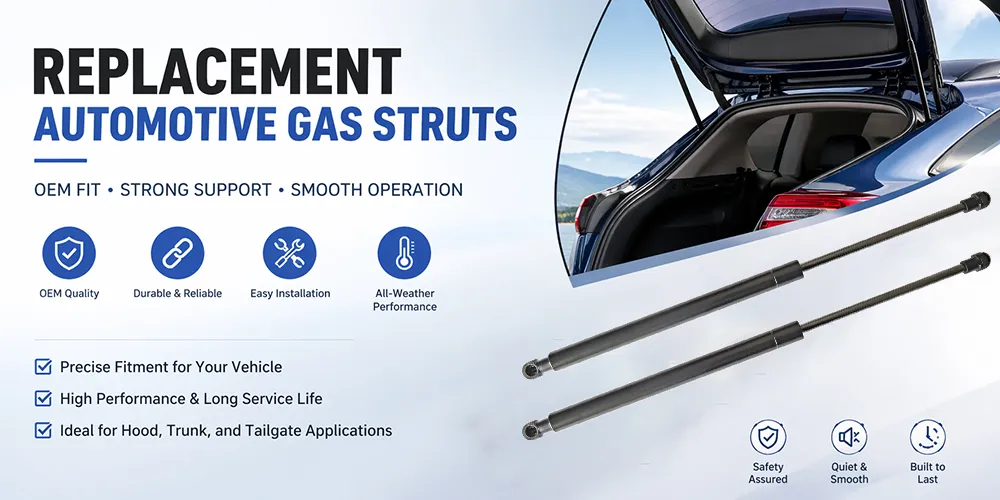
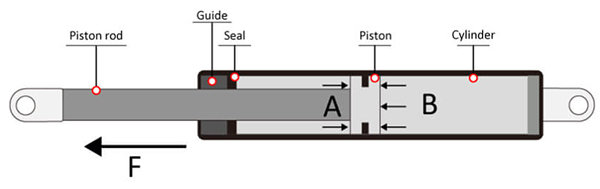
Automotive gas struts (also called gas springs or lift supports) are mechanical lifting devices filled with compressed nitrogen gas. They are designed to support and control the movement of heavy panels such as hoods, trunks, and tailgates. Unlike simple mechanical supports, gas struts provide a controlled lifting force, allowing the panel to open smoothly and stay securely in position without external support.

Why Do Automotive Gas Struts Matter?
Automotive gas struts are important components that help support and control the movement of heavy vehicle parts such as hoods, trunks, and tailgates, making daily use safer and more convenient. Below are the reasons why they matter:
- Make lifting heavy parts easier
- Improve safety by preventing sudden drops
- Protect hinges and other vehicle components
- Enhance smooth and comfortable operation
- Save time and physical effort
- Reduce long-term repair and maintenance costs
Signs You Need to Replace Your Car Gas Struts
Before choosing a replacement, it’s important to confirm whether your current gas struts are no longer performing properly. Worn or failing struts can affect safety and convenience during daily vehicle use. Common symptoms include:
- Hood or trunk won’t stay open
- Sudden dropping (safety risk)
- Weak or uneven lifting
- Oil leakage on the rod
- Increased effort required to open
👉 These issues typically indicate loss of internal pressure or seal failure, and replacement is the only reliable solution.
Automotive Gas Struts Application
Automotive gas struts are used in different parts of a vehicle to support, lift, and control movement. They come in several common types depending on the application. They include:
Hood Struts
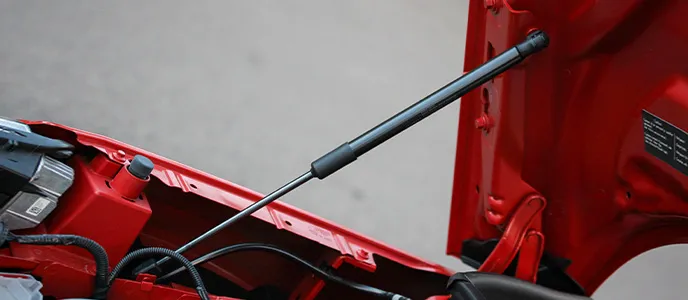
Hood struts are gas springs designed to support and lift the vehicle bonnet smoothly and safely. They eliminate the need for a prop rod, allowing easy engine access while providing stable holding force and controlled motion for improved safety and convenience.
Boot Struts
Boot struts are gas-assisted supports that help lift and hold the vehicle trunk lid. They ensure smooth opening and secure positioning, making loading and unloading easier while preventing sudden drops and reducing strain on hinges and users.

Tonneau Cover Shocks
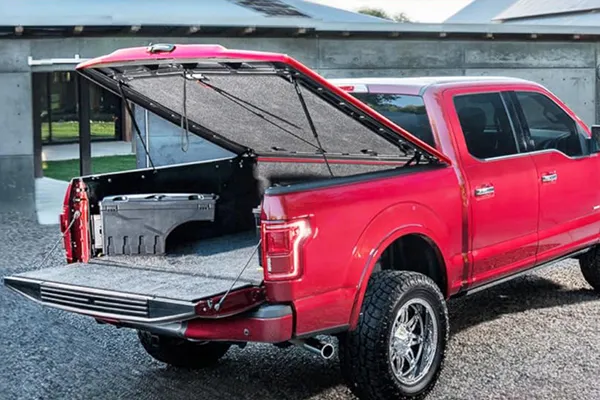
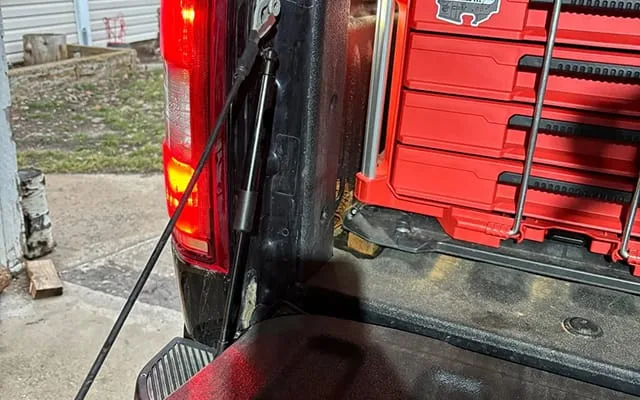
Tonneau cover shocks are gas struts used on pickup truck bed covers to control opening and closing. They provide smooth, controlled movement, reduce impact force, and keep the cover securely supported, improving usability and protecting the cover mechanism.
GASTAC Automotive Gas Struts for Vehicle Brands
GASTAC designs and manufactures automotive gas struts compatible with a wide range of global vehicle brands, providing OEM-level replacements that match original force, length, and mounting requirements. GASTAC has supplied gas struts for the following vehicle brands:
To find the correct gas strut for your vehicle brand and model, explore the full product range on our official store.
How to Choose the Right Automotive Gas Struts?
Selecting the correct gas strut is the most important step in ensuring proper function. Even small differences in specification can result in poor performance or installation failure. Key factors to consider include:
1. Force Rating (Newton Value)
The force rating determines how much weight the gas strut can support. If the force is too low, the panel will not stay open. If it is too high, closing the panel becomes difficult and may stress hinges or mounting points. Correct force selection ensures smooth operation and balanced support.
2. Extended and Compressed Length
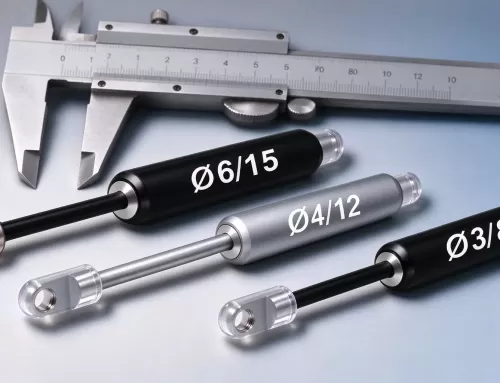
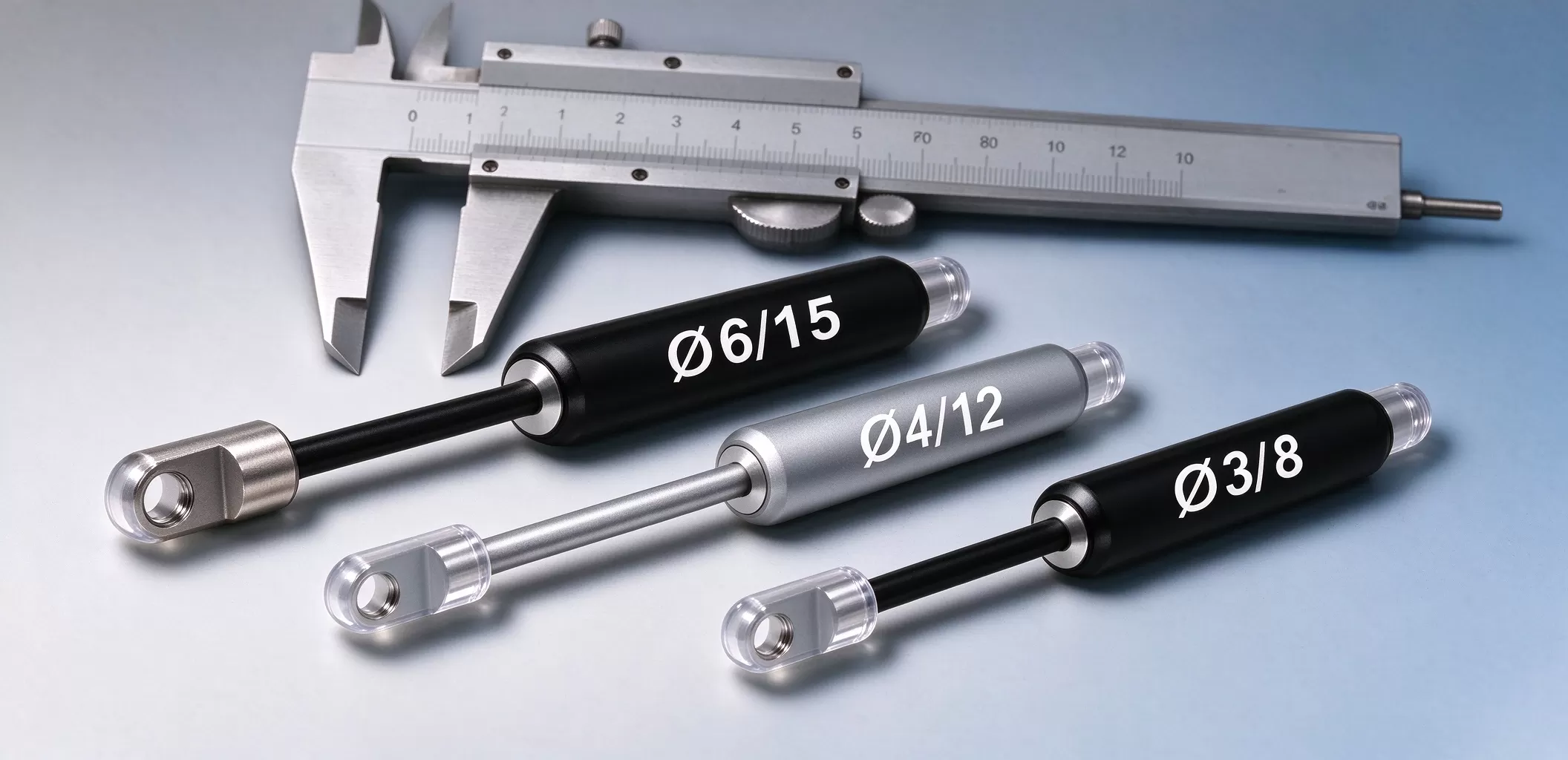
Every gas strut is designed with a specific operating range between fully extended and fully compressed positions. These dimensions must match the original part exactly. Even a small difference in length can affect alignment, movement angle, and mounting stability.
3. End Fittings and Mounting Style
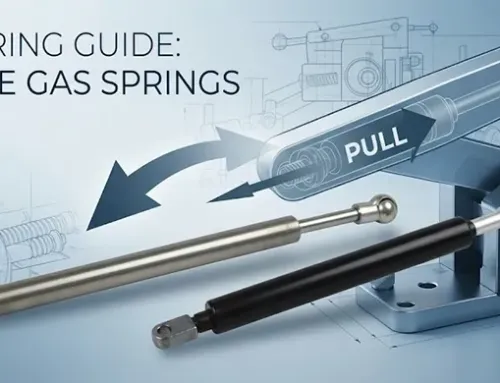
Gas struts use different types of connectors depending on the vehicle design. Common mounting types include ball sockets, eyelets, and bracket-style fittings. These end fitting must match the original setup precisely. A mismatch here will prevent proper installation regardless of correct force or length.
4. Vehicle Compatibility (Make, Model, and Year)
Gas struts are not universal parts. Each vehicle is engineered with specific load requirements and mounting geometry. For this reason, selecting a gas strut based on vehicle compatibility is essential. OEM-style matching ensures that the replacement performs exactly as intended.
Original Manufacturer vs Aftermarket Gas Struts
When replacing gas struts, users typically choose between OEM and aftermarket options. OEM parts are designed by the original vehicle manufacturer and guarantee exact fit and performance. However, they are often more expensive.
High-quality aftermarket gas struts, when properly manufactured, can deliver equivalent performance at a more accessible cost. The key factor is manufacturing precision and quality control.
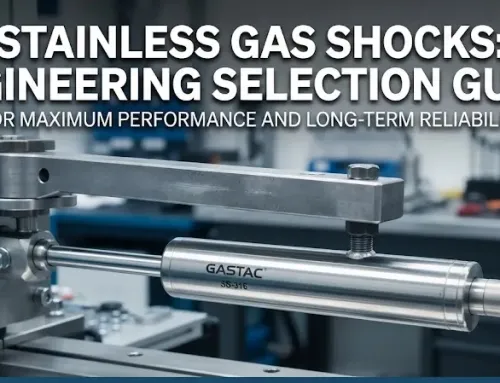
Reliable suppliers focus on maintaining consistent force output, durable sealing systems, and corrosion resistance to ensure long service life.
Can You Replace Gas Struts Yourself?
In most cases, replacing automotive gas struts is a straightforward process that can be done without professional tools. The general procedure involves safely supporting the panel, releasing the retaining clips, removing the worn strut, and installing the new one until it locks into place.
Although the process is simple, safety is important. The panel must always be properly supported before removal to prevent sudden drops.
Why Correct Gas Strut Selection Matters?
Choosing the right automotive gas struts is not simply a replacement task—it is a matter of ensuring safety, usability, and long-term reliability.
Correct selection depends on force rating, size accuracy, mounting type, and vehicle compatibility. When these factors are properly matched, the result is smooth operation and dependable support every time the hood or trunk is opened.
For users seeking consistent performance and OEM-level reliability, working with a trusted manufacturer ensures that every replacement meets the required technical standards and delivers long-term durability.
Car Gas Springs FAQs
Q: Why do gas struts lose strength over time?
A: Gas struts gradually lose internal pressure due to natural seal wear and temperature changes during daily use. This results in reduced lifting force over time.
Q: What happens if I install the wrong gas strut?
A: Incorrect specifications can cause poor alignment, unstable support, or difficulty closing the panel. In some cases, it may also shorten the lifespan of the strut.
Q: Do weather conditions affect gas struts?
A: Yes. Extreme cold can reduce pressure performance temporarily, while high temperatures may accelerate internal wear over long periods.
Q: Is it normal for gas struts to feel stronger at first after installation?
A: Yes. New gas struts may feel slightly stronger initially due to full internal pressure, but they will stabilize after a short usage period.
Q: Can I mix old and new gas struts on the same vehicle?
A: It is not recommended, as differences in force output can lead to uneven lifting and inconsistent performance.
Q: What should I check before ordering replacement gas struts?
A: Always verify mounting type, extended and compressed length, and force rating to ensure proper fit and safe operation.
张航
Stay in the loop