





















- What Are Gas Struts and How Do They Work?
- Why Gas Strut Dimensions Matter When Buying?
- Why Choose GASTAC Gas Springs?
- Key Gas Strut Dimensions You Need to Know
- Common Gas Strut Sizes for Different Applications
- How to Measure Gas Strut Dimensions Correctly?
- How to Choose the Right Gas Strut Dimensions?
- Expert Advice on Choosing Gas Strut Sizes
- Common Questions About Gas Struts

When searching for gas struts, many buyers already know they need to replace or install a gas spring, but they are unsure about the correct gas strut dimensions. Understanding the correct gas strut sizes is essential because the wrong length or force can prevent the lid from opening properly or supporting the weight. This guide explains how to identify the right dimensions and how to choose suitable gas struts by size for your application.
What Are Gas Struts and How Do They Work?
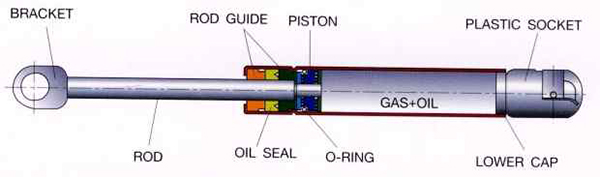
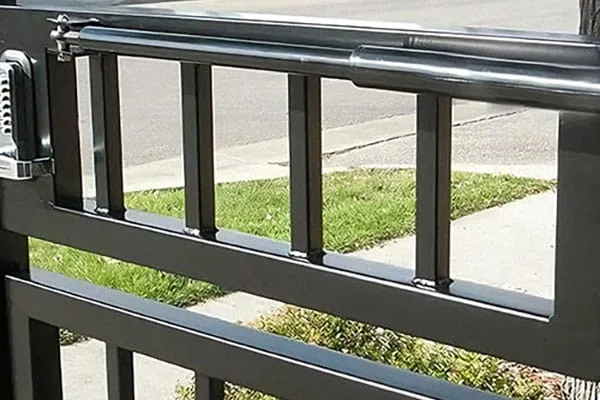
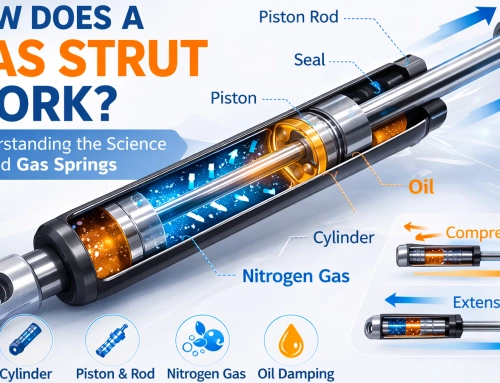
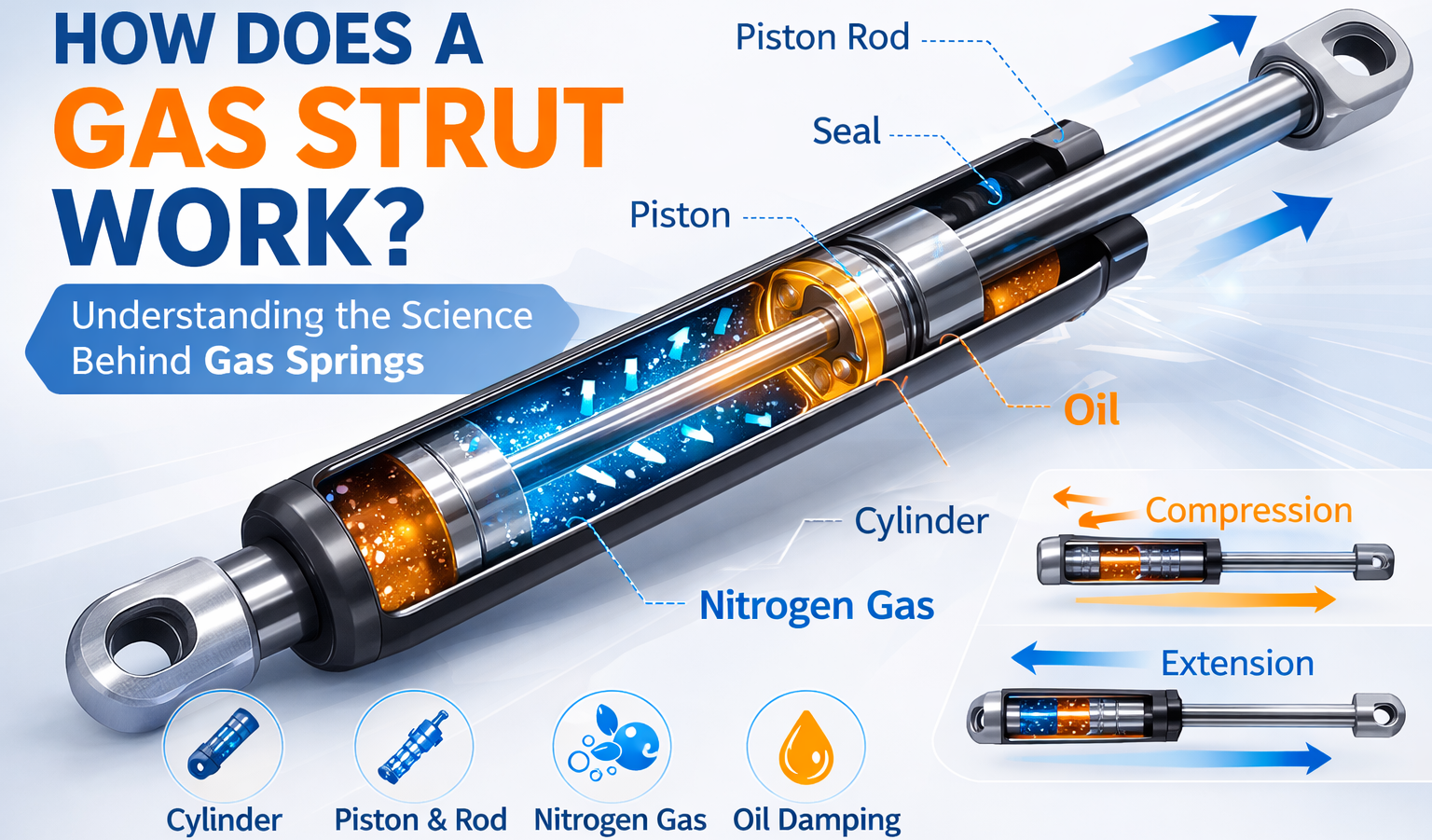
Before choosing dimensions, it helps to understand what gas struts actually do. A gas strut, also known as a gas spring, is a sealed cylinder filled with compressed gas that provides controlled lifting or support force. When installed on doors, hatches, or panels, it helps lift weight smoothly and keeps the structure open safely. Because different applications require different lifting forces and travel distances, manufacturers offer many gas strut sizes. Selecting the correct gas strut dimensions ensures that the strut operates efficiently and provides stable motion during opening and closing.

Why Gas Strut Dimensions Matter When Buying?
Many buyers assume that choosing a gas strut is simple, but correct gas strut dimensions play an important role in ensuring proper fit and performance. Different applications require specific sizes to match the structure of the equipment or panel. If the dimensions are not suitable, installation may become difficult or the strut may not function as expected. That is why manufacturers usually categorize products by gas strut dimensions, allowing buyers to quickly compare available options and select the most suitable size before purchasing.
Why Choose GASTAC Gas Springs?
As a professional gas spring manufacturer, GASTAC offers a wide range of gas strut sizes designed for automotive, industrial, and furniture applications. The company produces reliable gas springs with consistent force performance and precise gas strut dimensions, ensuring compatibility with various installations. Customers can choose from standard gas struts by size or request customized solutions to meet specific requirements. With advanced manufacturing and strict quality control, GASTAC provides dependable gas spring products for global markets.

Key Gas Strut Dimensions You Need to Know
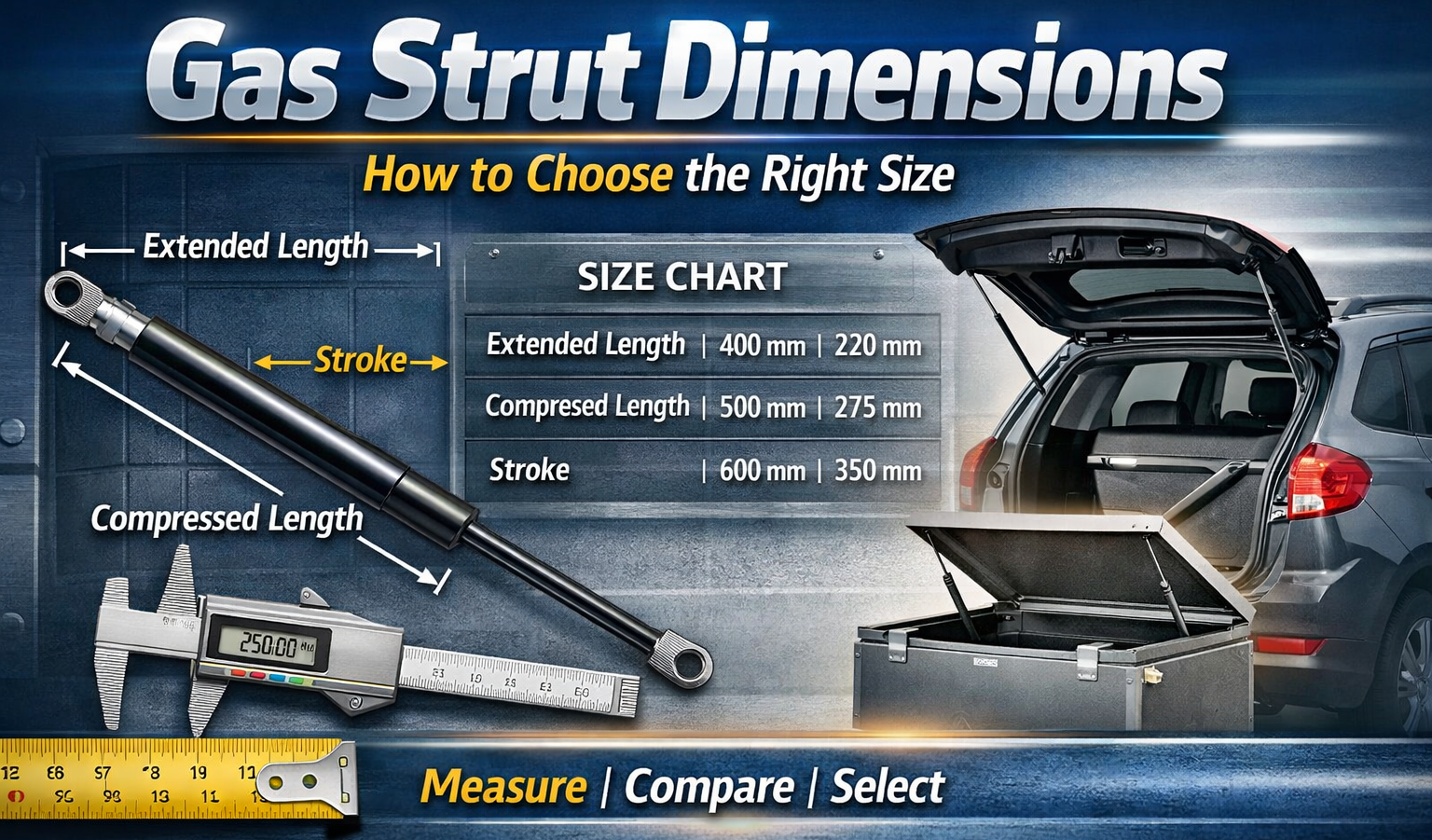
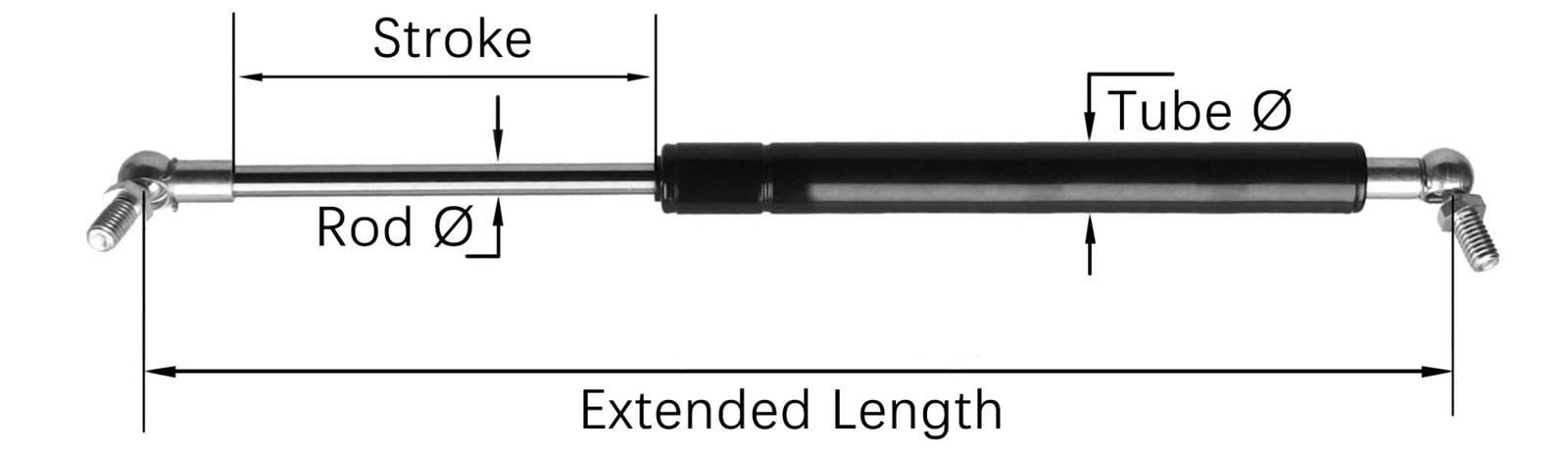
To choose the correct product, several key measurements are used to define gas strut dimensions. These dimensions help users compare different models and ensure the strut fits the equipment properly. The most important measurements include the following:
Extended Length: The extended length is the distance from center to center when the gas strut is fully open. This measurement determines the maximum opening position of the lid, door, or panel.
Stroke: Stroke is the difference between the extended length and the compressed length. It represents how far the gas strut can travel during operation and affects the opening movement of the supported structure.
Compressed Length: The compressed length refers to the distance from center to center when the gas strut is completely closed. It determines how much space the strut occupies when the lid or door is shut.
Key Gas Strut Dimensions You Need to Know
To choose the correct product, several key measurements are used to define gas strut dimensions. These dimensions help users compare different models and ensure the strut fits the equipment properly. The most important measurements include the following:
Extended Length: The extended length is the distance from center to center when the gas strut is fully open. This measurement determines the maximum opening position of the lid, door, or panel.
Stroke: Stroke is the difference between the extended length and the compressed length. It represents how far the gas strut can travel during operation and affects the opening movement of the supported structure.
Compressed Length: The compressed length refers to the distance from center to center when the gas strut is completely closed. It determines how much space the strut occupies when the lid or door is shut.
Common Gas Strut Sizes for Different Applications
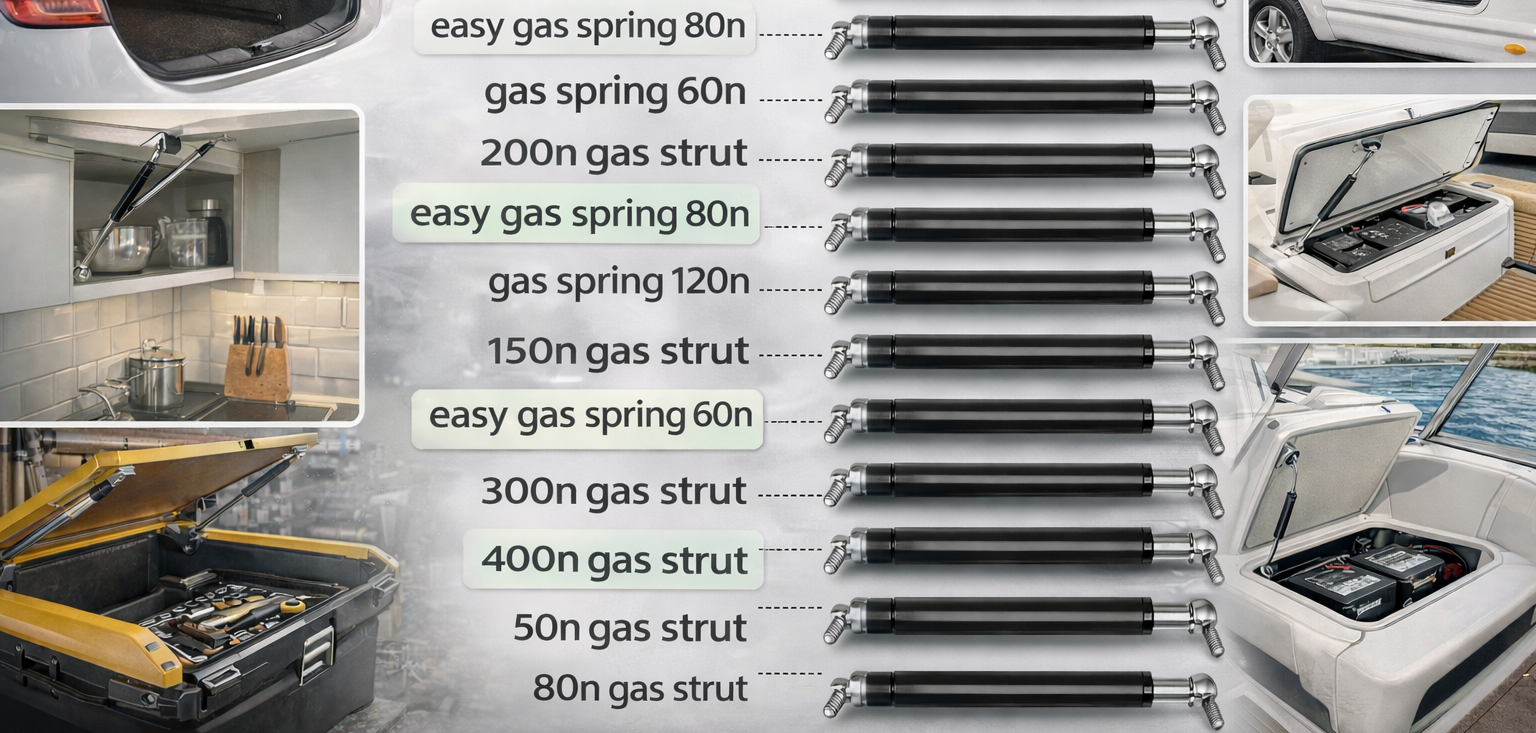
Different industries use different gas strut sizes depending on the weight and opening distance of the structure being supported. Small gas struts are often used in cabinets, electrical enclosures, and lightweight panels. Medium-size struts are common in automotive applications such as hoods and toolboxes. Larger gas struts are typically installed on truck canopies, industrial machinery covers, or heavy equipment panels. By grouping products as gas struts by size, manufacturers help customers quickly narrow down the most appropriate gas strut dimensions for their specific application.
Gas Strut Size Chart (mm)H3
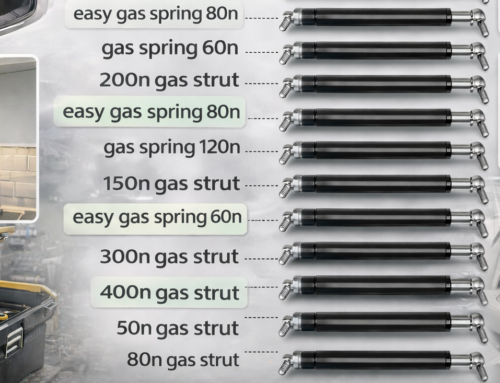
For many industrial and engineering applications, dimensions are measured in millimeters. The following gas strut size chart provides a general reference for common gas strut models based on their extended length. These values help users compare typical gas strut dimensions and identify a suitable size range before making a final selection. When choosing from standard gas strut sizes, it is important to ensure that the installation space and opening angle match the selected model.
| 100mm gas strut | 150mm gas strut | 195mm gas strut | 200mm gas strut | 250mm gas strut |
| 300mm gas strut | 325mm gas strut | 330mm gas strut | 350mm gas strut | 400mm gas struts |
| 450mm gas strut | 500mm gas strut | 550mm gas strut | 600mm gas strut | 650mm gas strut |
| 700mm gas strut | 750mm gas strut | 800mm gas strut | 900mm gas strut | 1000mm gas strut |
| 50cm gas strut |
Gas Spring Size Chart (inch)
In North America and some international markets, dimensions are often measured in inches. The following gas spring size chart converts common measurements to inch units, allowing customers to compare standard gas strut sizes more easily. Reviewing both metric and inch charts helps ensure the correct gas strut dimensions are selected for replacement or new installations.
| 4 inch gas strut | 5 inch gas strut | 6 inch gas strut | 7 inch gas strut | 7.5 inch gas strut |
| 8 inch gas strut | 9 inch gas strut | 10 inch gas strut | 12 inch gas strut | 13 inch gas struts |
| 14 inch gas strut | 15 inch gas struts | 16 inch gas strut | 17 inch gas strut | 18 inch gas strut |
| 20 inch gas strut | 24 inch gas strut | 26 inch gas struts | 30 inch gas strut | 36 inch gas strut |
| 40 inch gas strut | 48 inch gas strut |
How to Measure Gas Strut Dimensions Correctly?
If you are replacing an existing gas strut, measuring the old unit is the most reliable way to determine the correct gas strut dimensions. Start by measuring gas strut the extended length from center to center of the mounting points. Next, measure the compressed length when the strut is fully closed. The difference between these measurements gives the stroke length. By comparing these values with standard gas strut sizes, you can easily identify compatible gas struts by size for replacement.

How to Choose the Right Gas Strut Dimensions?
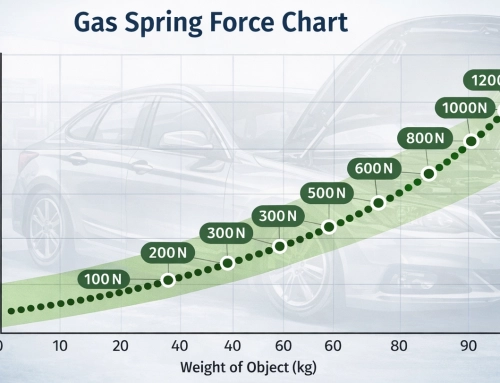
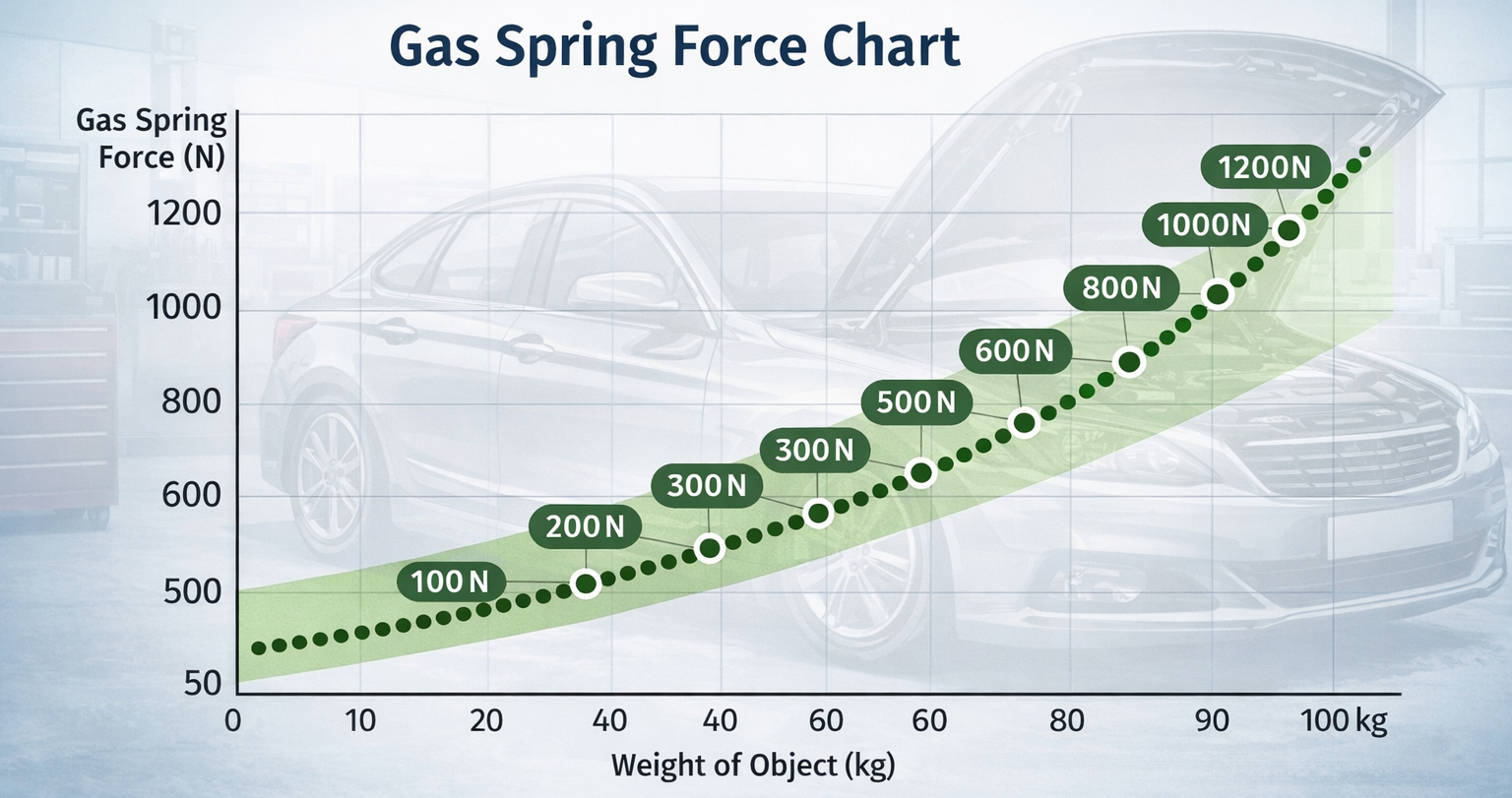
After measuring the necessary parameters, the next step is selecting the correct product. First, confirm that the extended length matches the opening distance required by the lid or door. Second, verify that the compressed length fits within the available installation space. Finally, select a force rating that can safely support the weight of the structure. Using these steps together with a gas strut size chart allows users to confidently choose appropriate gas strut dimensions for their equipment.
How to Choose the Right Gas Strut Dimensions?
Selecting the correct gas strut dimensions is essential for ensuring smooth operation and long service life. By understanding how gas struts work, reviewing common gas strut sizes, and consulting a gas strut size chart or gas spring size chart, users can quickly determine the right product for their application. With a wide range of options and professional manufacturing expertise, GASTAC gas springs provide reliable solutions for lifting, supporting, and controlling motion in many industries.
Expert Advice on Choosing Gas Strut Sizes
Choosing the correct gas strut dimensions is essential for smooth operation, safety, and long-lasting performance. By understanding how gas struts work, reviewing common gas strut sizes, and consulting gas struts by size charts in mm or inches, you can confidently select the right product for doors, hatches, lids, or panels. GASTAC’s wide range of high-quality gas springs ensures precise dimensions and reliable support for any application, making it easier to find the perfect fit.
Common Questions About Gas Struts
When choosing or replacing gas struts, many users face common questions: How do I know the correct size? Can I swap different models? When should a gas strut be replaced? To help, here are the most frequently asked gas strut FAQs:
Q1: What are gas struts used for?
A1: Gas struts provide support and controlled movement for doors, hatches, lids, and panels, ensuring smooth opening and safe holding.
Q2: How do I determine the right gas strut dimensions?
A2: Measure the extended length, compressed length, and stroke between mounting points. Then match these measurements with standard gas strut sizes for your application.
Q1: What are gas struts used for?
A1: Gas struts provide support and controlled movement for doors, hatches, lids, and panels, ensuring smooth opening and safe holding.
Q3: Can I replace a gas strut with a different size?
A3: No. Using incorrect gas strut dimensions may prevent full opening, reduce support, or damage the lid and mounting points.
Q4: Where can I find a gas strut size chart?
A4: Manufacturers like GASTAC provide gas strut size charts in both mm and inch units, making it easier to select the correct gas strut.
Q5: How often should gas struts be replaced?
A5: Gas struts should be replaced if they lose force, leak, or fail to hold the door or lid properly. Correct gas strut dimensions ensure long-lasting performance.
张航
Stay in the loop