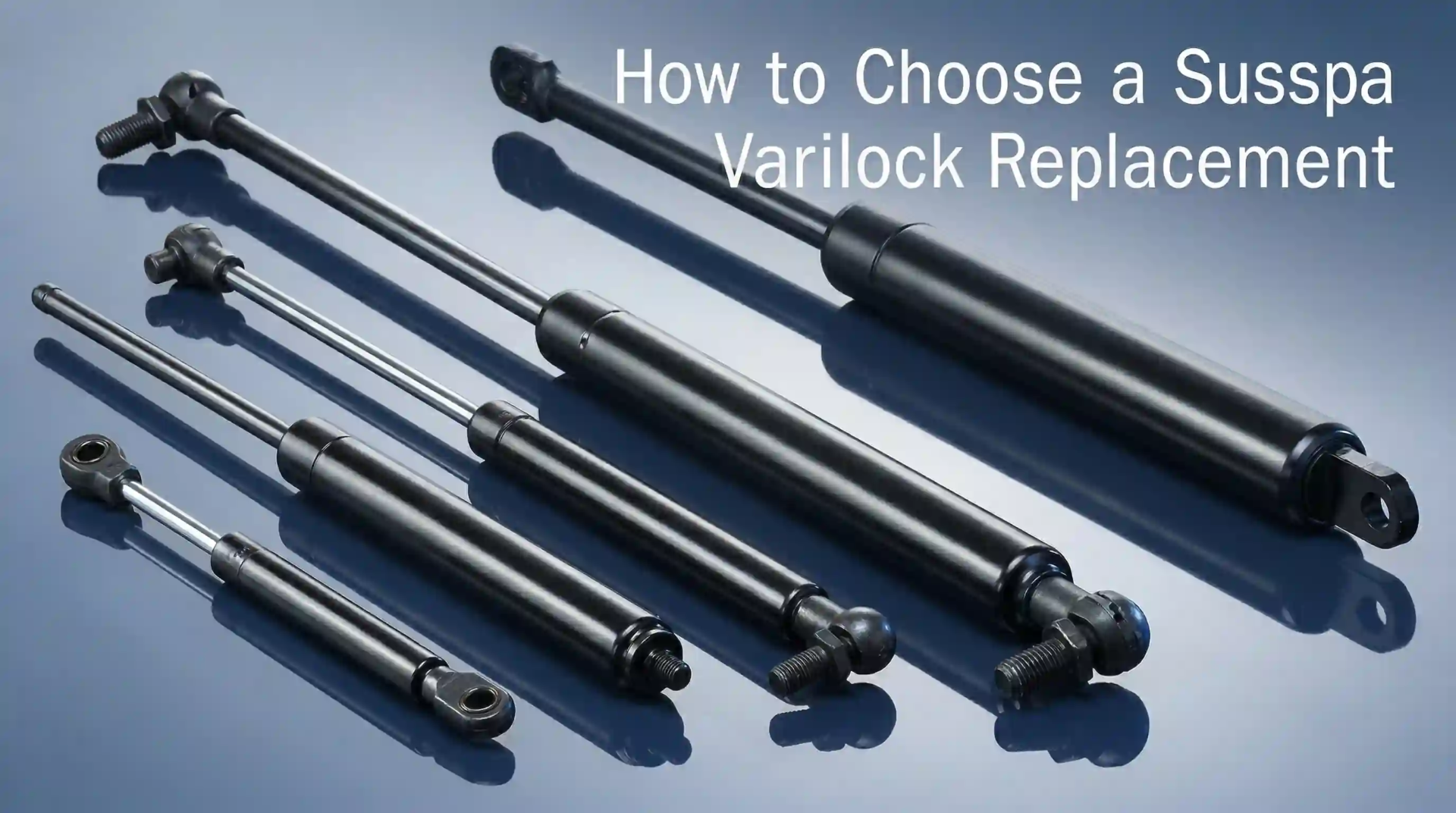
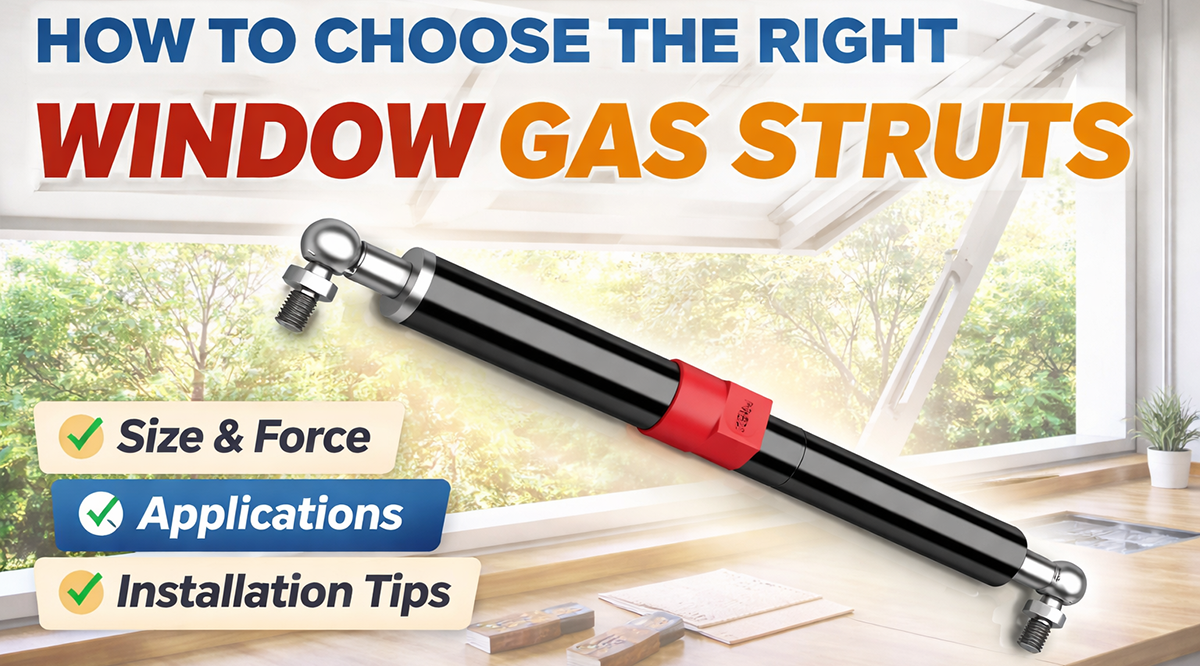
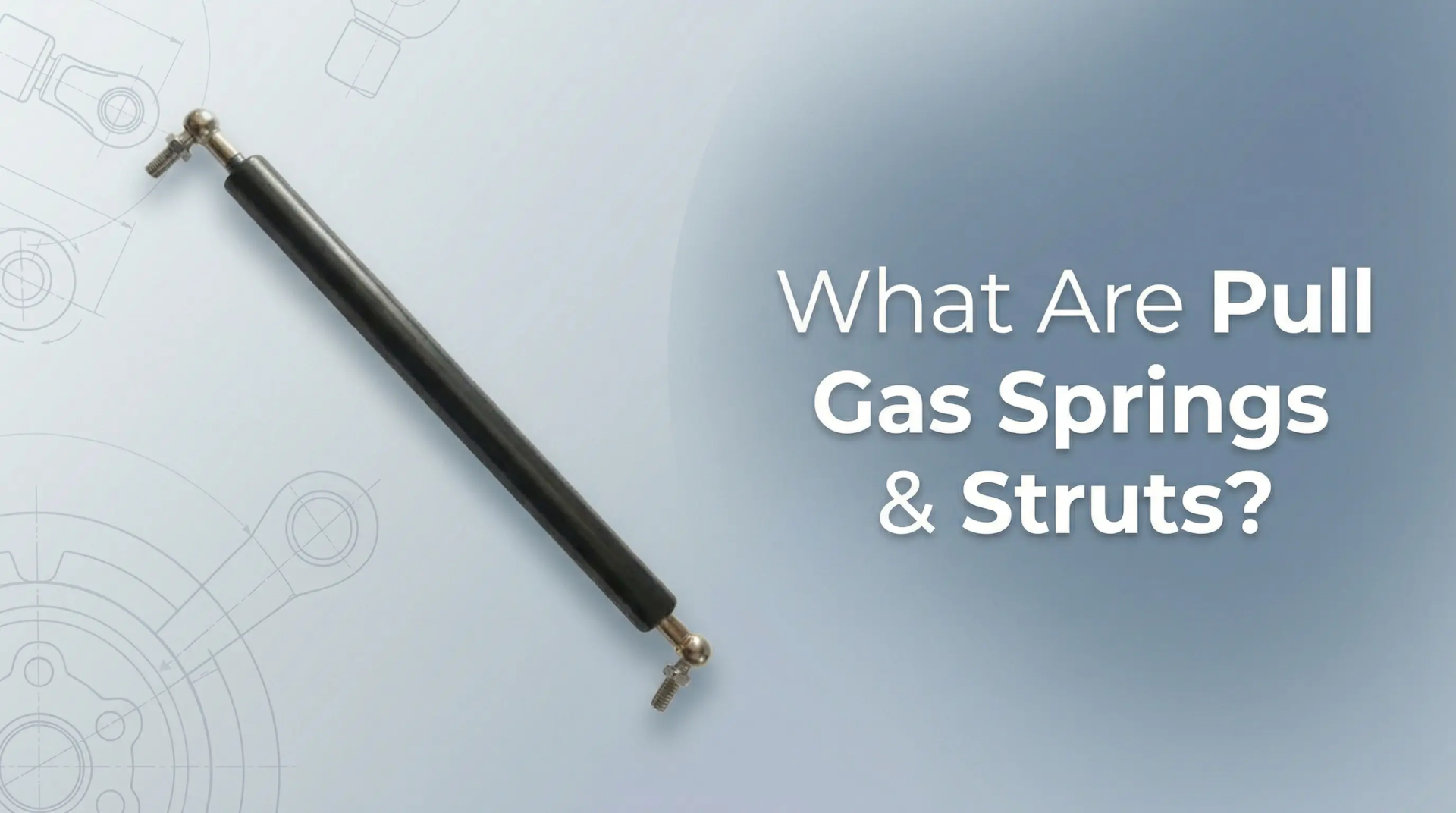
Choosing the right gas strut for boat hatch depends on four key factors: hatch weight, stroke length, mounting position, and operating environment. For marine applications, stainless steel gas struts for boat hatches are strongly recommended to ensure durability and corrosion resistance.
If you’re unsure about the correct specifications, you can explore our product page or use our Gas strut calculator hatch to determine the optimal configuration. Our engineering team is also available to assist with selection and customization.
Applications of Gas Struts for Boat Hatches

A gas strut for boat hatch is widely used across different marine hatch applications to provide controlled lifting and secure holding.
Typical applications include:
- Engine hatches
- Deck hatches
- Storage compartments
- Cabin doors and access panels
Each application may require different force ratings and installation configurations depending on hatch size and weight.
How to Choose the Right Specifications

Selecting the correct gas strut for boat hatch involves several technical parameters:
Stroke Length
Determines how far the hatch can open.Force (Newton Rating)
Must match the hatch weight and leverage.Extended Length
Defines the overall size of the gas strut.Mounting Angle & Position
Affects lifting efficiency and required force.
If you are unsure how to calculate these parameters, you can use our Gas strut calculator or contact our engineering team for assistance.
Common Replacement Mapping for Boat Hatch Gas Struts
Below is a reference table for common replacement models:
| Boat Brand | Product | Extended Length | Compressed Length | Force Options (lbs) | Material / Finish | Mounting | Features |
|---|---|---|---|---|---|---|---|
| Boston Whaler | Stainless Steel Gas Shock 10" | 10" | 7" | 10, 20, 30, 40, 60 | Stainless Steel | Ball Socket | Corrosion-resistant, marine environment |
| Boston Whaler | Black Painted Gas Shock 10" | 10" | 7" | 10, 20, 30, 60 | Black Painted | 10mm Ball Socket | Standard marine use |
| Cobia | Stainless Steel Gas Shock 15" | 15" | 9" | 20, 30, 40, 60 | Stainless Steel | 10mm Ball Socket | Corrosion-resistant, marine environment |
| Cobia | Black Painted Gas Shock 7.5" | 7.5" | 5.25" | 10, 20 | Black Painted | Ball Socket | Compact design |
| Maverick | Stainless Steel Gas Shock 15" | 15" | 9" | 20, 30, 40, 60 | Stainless Steel | 10mm Ball Socket | Corrosion-resistant, marine environment |
| Four Winns | Black Painted Gas Shock 10" | 10" | 7" | 10, 20, 30, 60 | Black Painted | 10mm Ball Socket | Standard marine use |
| Key West | Black Painted Gas Shock 10" | 10" | 7" | 10, 20, 30, 60 | Black Painted | 10mm Ball Socket | Standard marine use |
Can’t find your model? Contact us for professional support.
Installation Guide for Boat Hatch Gas Struts
Proper installation ensures optimal performance and safety. Basic considerations include correct mounting position, alignment, and secure fastening.
For detailed instructions, please refer to our guide:
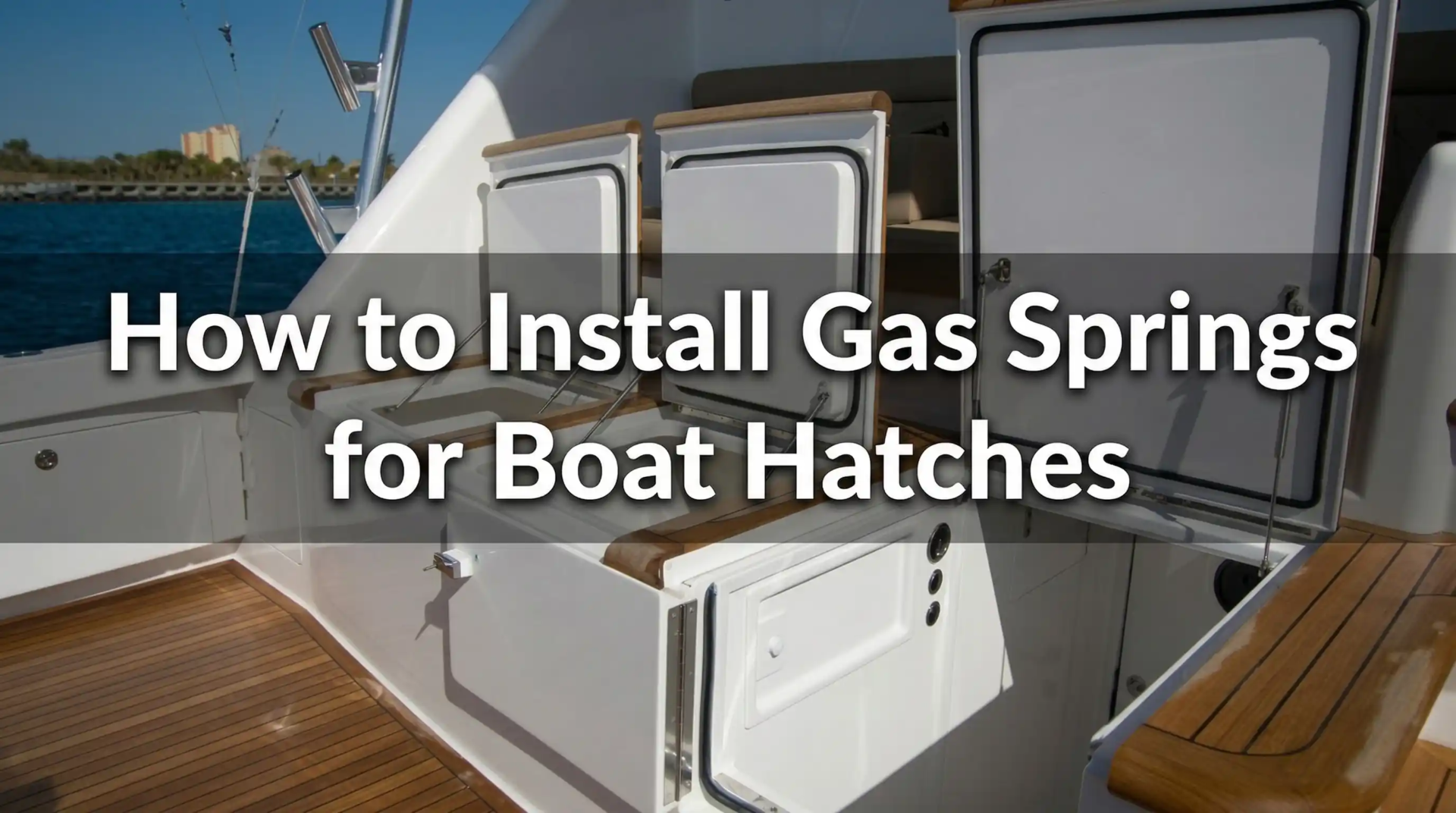
How to install gas springs for boat hatches?
They provide smooth lifting, controlled opening speed, and improved safety during operation.
Why Stainless Steel Gas Struts Are Essential for Marine Use
Marine environments are highly demanding, making stainless steel gas struts for boat hatches the preferred choice.
- 1
Saltwater Corrosion Resistance
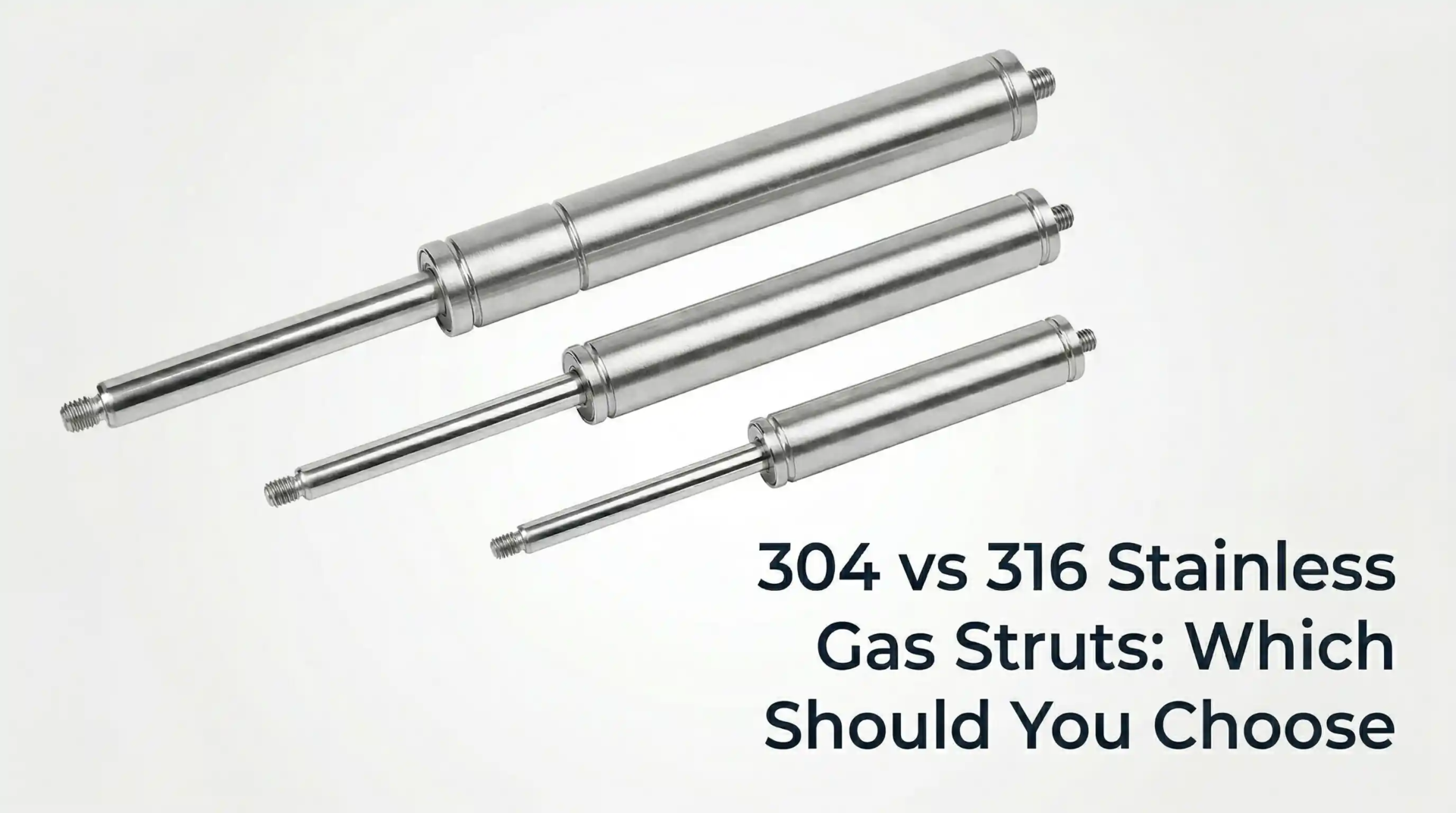
Saltwater exposure can quickly degrade standard materials. Stainless steel (especially 316/316L) provides superior resistance to corrosion. - 2
IP Sealing Performance
High-quality marine gas struts are designed with effective sealing systems to prevent water ingress and internal contamination. - 3
Extended Lifespan in Marine Conditions
With proper material selection and sealing, stainless steel gas struts maintain stable performance even under humidity, salt spray, and temperature variations.
When Should You Replace Your Boat Hatch Gas Struts?
Over time, gas struts may lose performance. You should consider replacement if you notice:
- The hatch falls suddenly
- The hatch cannot stay open
- Oil leakage from the strut
- Visible corrosion on the surface
Timely replacement ensures safety and prevents damage to the hatch system.
End Fittings for Boat Hatch Gas Struts
Gas struts are available with various end fittings, including:
- Ball joints
- Eyelets
- Fork ends
Choosing the correct fittings ensures compatibility with your hatch structure. You can explore our end fittings page for more options.
Why Choose Gastac Gas Springs

As a professional gas spring manufacturer and gas spring supplier, Gastac offers reliable solutions for marine applications.
- Direct factory supply with competitive pricing
- ISO-certified manufacturing process
- Strict quality testing before delivery
- Stable lead time with stock availability
- OEM and custom solutions supported
Our gastac gas springs/struts are designed to meet the demanding conditions of marine environments.
Contact us today to get a quote or technical support.
FAQ
- 1
How long do marine gas struts last?
Typically 3–5 years depending on usage and environment. - 2
Can gas struts be used in saltwater?
Yes, but stainless steel versions are required for corrosion resistance. - 3
What pressure should I choose?
It depends on hatch weight and installation geometry. - 4
Can I replace only one strut?
It is recommended to replace both to maintain balanced performance. - 5
How to measure a gas strut for replacement?
Measure the extended length, stroke, and force rating of the existing strut, and check the end fittings for compatibility. - 6
Can gas struts be installed on both sides?
Yes, installing gas struts on both sides is recommended for better balance and load distribution.

Ian Martin
Stay in the loop