


















Table of contents
Share Post
What Gas Spring Force Do You Need for Your Application?

Are you looking for the right gas spring strut? Or have you already determined the required gas spring force? Choosing the right force not only ensures smooth opening and closing but also extends the life of your equipment. From car hoods to furniture doors, every application has different requirements for gas spring force. Understanding these differences will help you easily select the right product.

Your Trusted GASTAC Gas Springs Supplier

GASTAC is a professional manufacturer specializing in high-quality gas springs used in automotive, furniture, industrial, and equipment applications. With years of engineering experience, GASTAC provides a wide range of products designed to deliver stable gas spring force and long service life. Whether customers require standard models or customized specifications, each product is carefully tested to ensure consistent gas strut force, smooth movement, and dependable performance in everyday use.

gastac gas springs Manufacturer Suppliers

Understanding the Importance of Gas Spring Force

Many buyers begin their search with one important question: what gas spring force do they need? The correct force determines how smoothly a lid, hood, or panel opens and stays supported. If the force is too low, the structure may not lift properly. If it is too high, closing the equipment may become difficult or unsafe. Understanding gas spring force is the first step toward choosing a reliable solution for your application.

Gas Spring Size Chart – Quick Reference

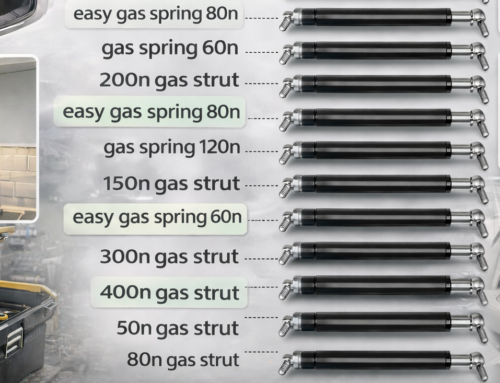
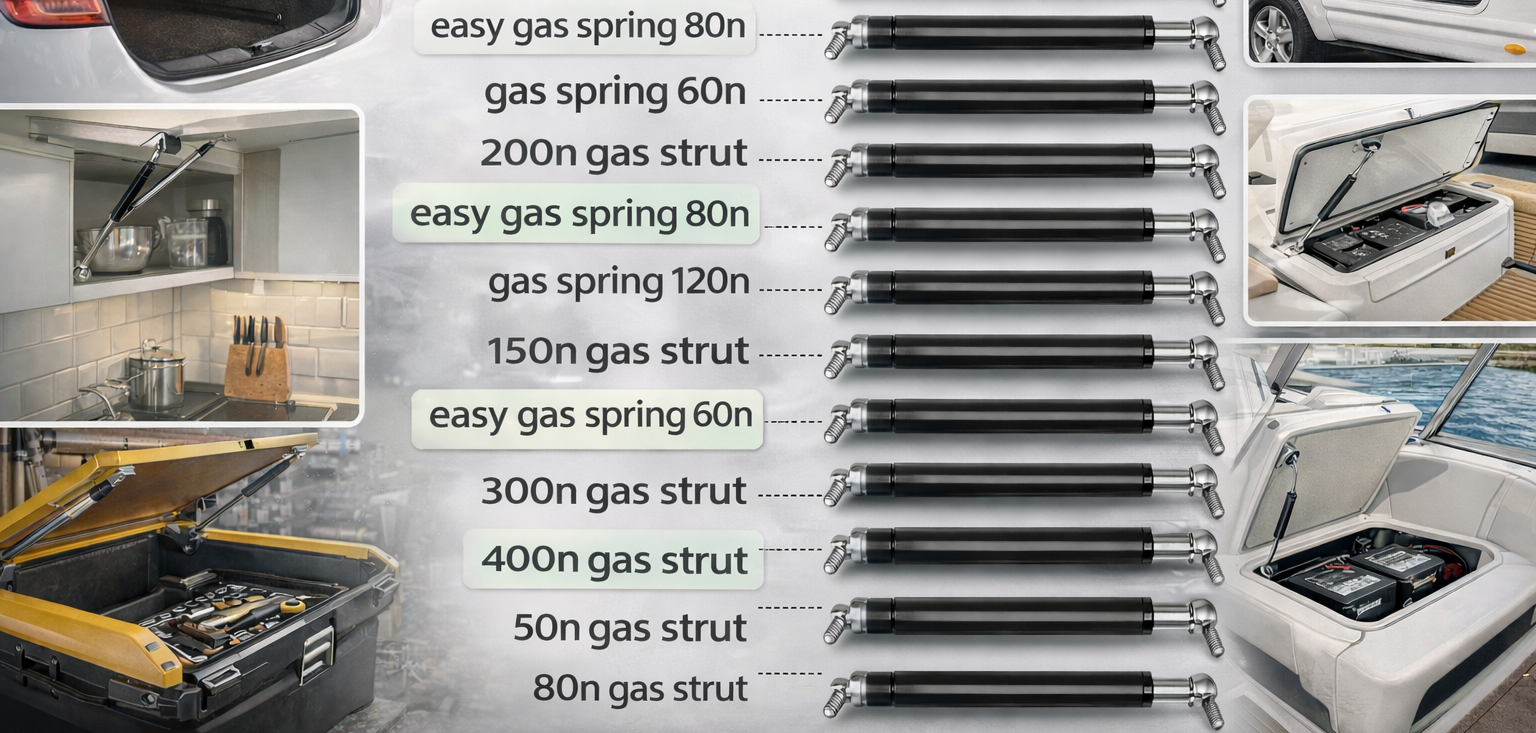
To help customers better understand common gas spring options, the following gas spring size chart lists typical product descriptions used in many applications. These examples represent commonly searched gas spring specifications and provide a simple reference when comparing different models.

Gas Spring Size Chart (LB)

5 lb gas strut 10 lb gas strut 20 lb gas strut 30 lb gas strut
60 lb gas strut 80 lb gas strut 100 lb gas strut 150 lb gas strut
200 lb gas strut 300 lb gas strut 500 lb gas strut

Gas Strut Size Chart (N)

40n gas strut 50n gas strut 60n gas strut 80n gas strut
100n gas strut 120n gas strut 150n gas strut 200n gas strut
250n gas strut 300n gas strut 400n gas strut 500n gas strut
600n gas strut 1000n gas strut 1200n gas strut 100kg gas struts

Why Do Gas Springs Have Different Pressure Ratings?

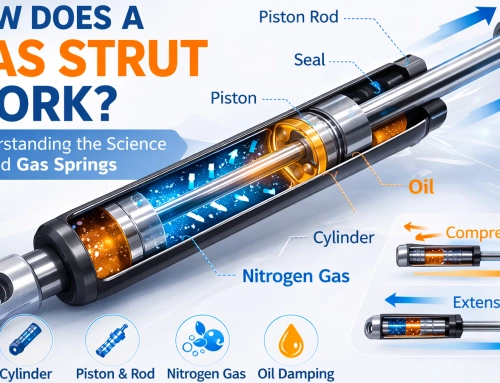
Gas springs are designed with a range of pressure ratings to meet the diverse needs of different applications. The required force depends on factors such as the weight of the object being lifted, the desired opening and closing speed, and the mounting position. Using a gas spring with the correct pressure ensures smooth operation, reduces wear on hinges and frames, and enhances user safety.

Gas Spring Applications and Requirements

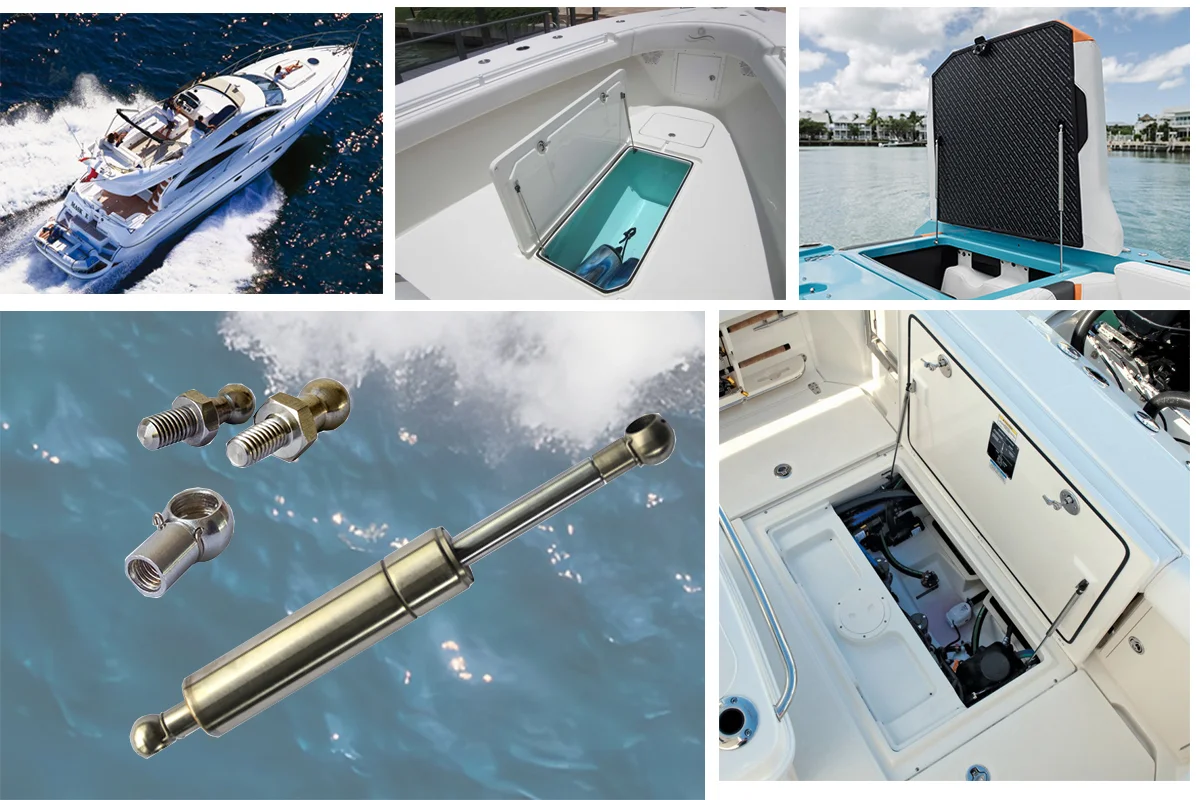
Because equipment requirements vary so widely, gas springs are used in many different applications. Lightweight cabinet doors may require low-pressure gas springs for easy lifting, while heavy industrial panels, toolboxes, or automotive hoods often need high-pressure gas springs to provide stable support. Selecting the right pressure for each application improves convenience and protects mechanical components.

Boot Struts
Tension Gas Springs 3 600x400 1
Stainless Steel Gas Struts
locking gas spring
Hydraulic Gate Closers

Different Types of Gas Springs

Gas springs are available in several types to suit different applications and force requirements. The main types include:

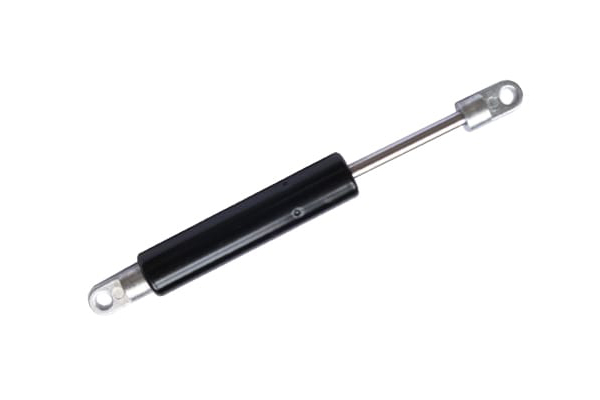
  • Compression Gas Springs: The most common type, providing a pushing force to assist in lifting and holding loads in an extended position. They are widely used in furniture, automotive hoods, toolboxes, and industrial panels for smooth and stable lifting.

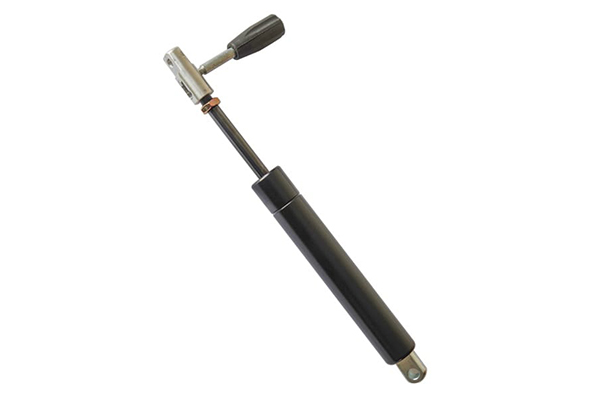
  • Locking Gas Springs: These gas springs can lock in place at any point along their stroke, allowing users to hold a lid, door, or panel at a desired angle without additional support. Common applications include adjustable chairs, equipment lids, and medical or industrial devices that require precise positioning.
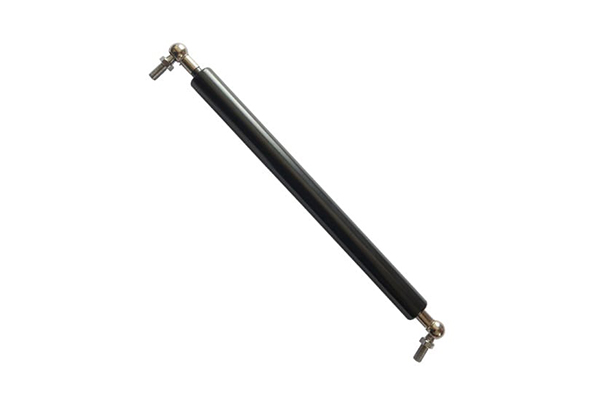
  • Tension Gas Springs: Also called pull-type gas springs, they provide a pulling force to assist in closing or retracting components safely. Applications include lift-assisted doors, retractable panels, and mechanisms where controlled tension prevents sudden movement.

Compression Gas Springs

Locking Gas Springs

Tension Gas Springs

What Factors Affect Gas Spring Force?

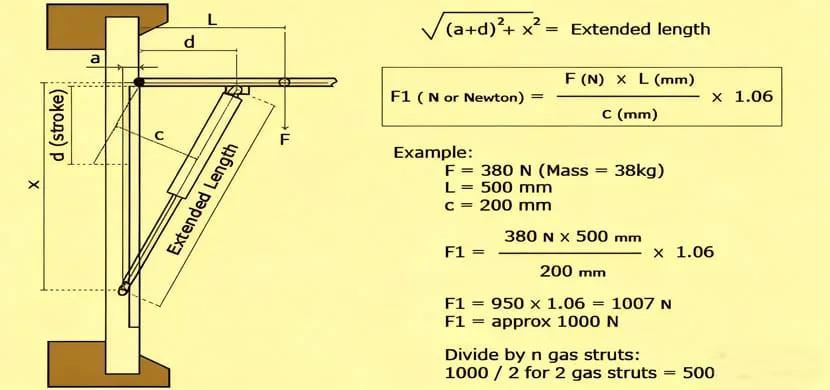
Several factors determine the correct gas spring force. The weight of the object being lifted is the primary consideration, but installation angle, mounting position, and stroke length also influence performance. Choosing the proper gas strut force ensures balanced lifting, smooth motion, and stable support without placing unnecessary stress on hinges or frames.

Choosing the Right Gas Spring for Your Application

Selecting the correct gas spring force depends on the load weight, mounting position, and opening angle. Heavy lids or industrial covers may require high force gas springs to provide stable lifting support. With proper selection and installation, gas springs can deliver smooth motion, reliable lifting performance, and long service life for many different applications.

How to Calculate Gas Spring Force

To determine the correct gas spring force, first measure the weight of the lid or panel and identify the center of gravity. Consider mounting position, opening angle, and stroke length. Calculating the required gas strut force ensures smooth lifting without excess effort. Using formulas or manufacturer guidelines helps you match fixed force gas strut or high force gas springs precisely to your application.

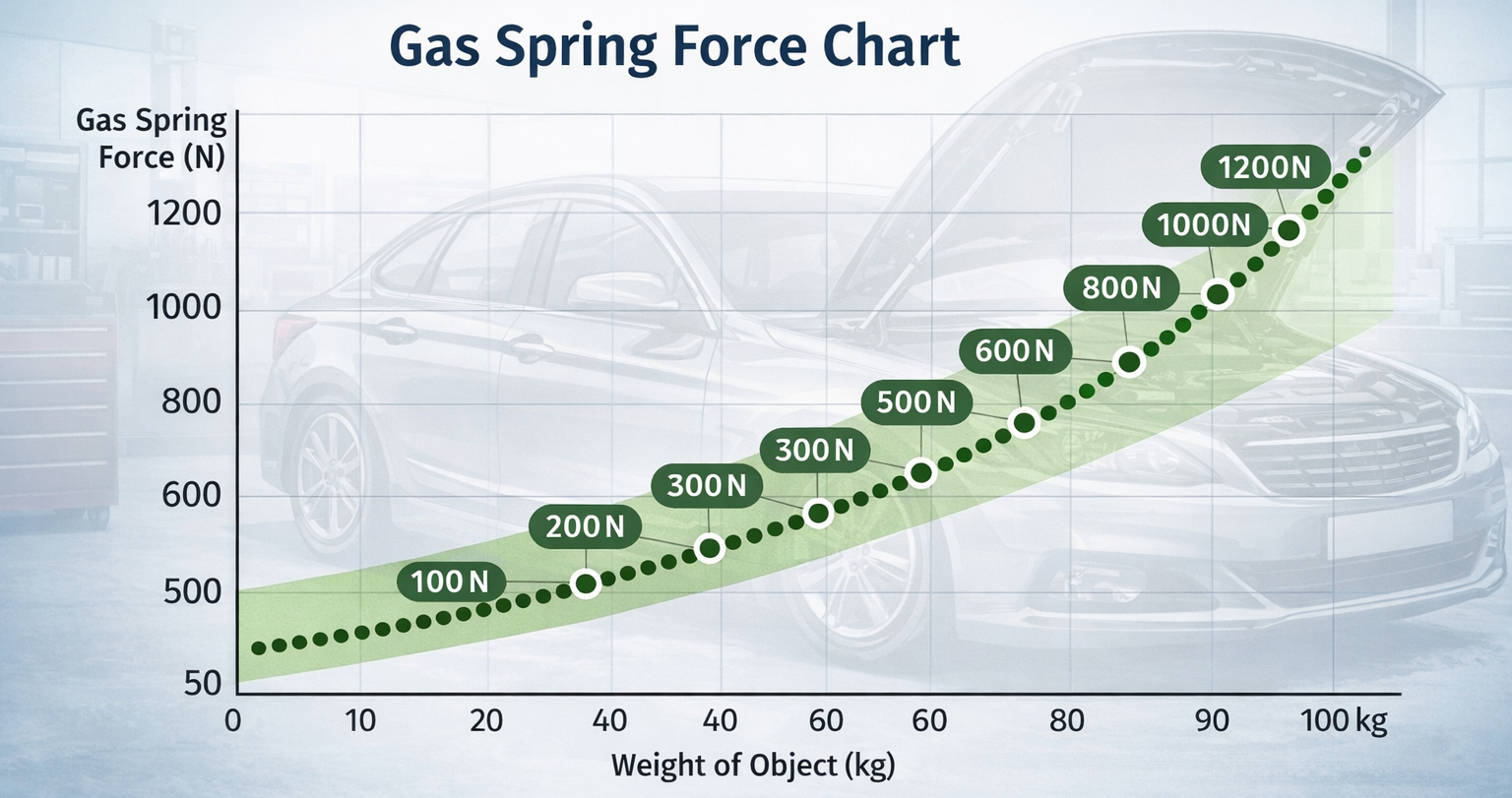
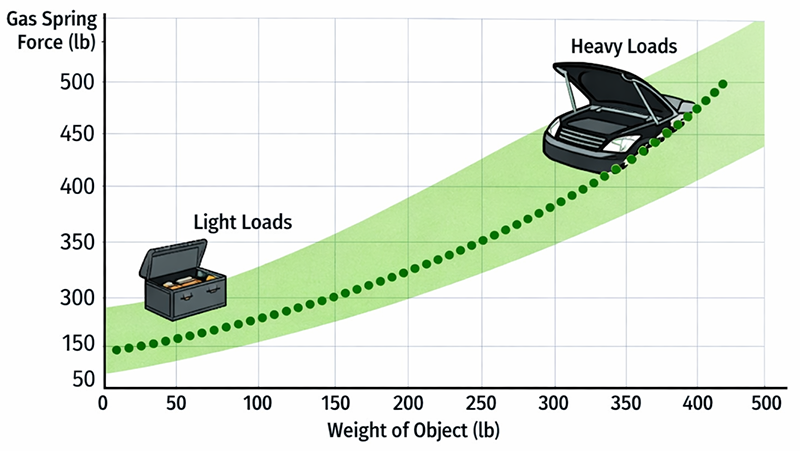
Gas Spring Force vs Weight Chart

A simple comparison of object weight to gas spring force helps buyers select the right model quickly. Light doors may need low force, while heavy panels require high force gas springs. Referring to a gas spring extension force chart, such as GASTAC’s size tables, lets users choose the correct force safely and reduces trial-and-error in installation.

Common Gas Spring Force Selection Mistakes

Many buyers select gas springs based solely on size or guesswork. Using an undersized spring causes wobbling, while oversized gas strut force makes operation difficult. Ignoring the stroke or installation angle may lead to premature wear. Always check weight, angle, and lift requirements to avoid errors and ensure smooth, durable performance in your equipment.

张航

Stay in the loop

Subscribe to our free newsletter.

Leave A Comment